
Electrical Equipment Buyers for Commercial and Industrial Assets
Discuss equipment your business is ready to release. Call or text 713-385-1333 with photographs, specifications, and availability.
One facility upgrade can leave a business with an entire electrical system to evaluate: switchgear in the equipment room, spare breakers in storage, unused cable reels, and transformers awaiting removal. Texas Global Resources helps owners present those assets for a direct purchasing discussion. When you are comparing electrical equipment buyers, a clear account of the inventory is the strongest place to begin.
The available material may come from a completed construction project, machinery replacement, warehouse consolidation, or planned closure. Each situation has its own ownership approvals, equipment history, and deadline. Our review considers the assets being offered and the practical requirements of transferring them from the seller’s location.
Start with an overview of the equipment, its condition, and your intended release schedule. Include readable nameplates and current photographs wherever available. Call 713-385-1333 or submit your electrical equipment inventory online to request a purchasing review.
What Electrical Equipment Buyers May Consider
Commercial and industrial inventories often include several product categories with different documentation needs. A breaker list may depend heavily on catalog numbers and trip configurations, while a transformer submission requires its own nameplate information. Large distribution assemblies need both component details and an explanation of the complete arrangement.
Texas Global Resources reviews qualified opportunities involving identifiable electrical assets. Potential categories include the equipment listed below, subject to the specific inventory, condition, demand, and recovery requirements.
- Circuit breakers and documented replacement units.
- Switchgear, switchboards, and distribution assemblies.
- Transformers with readable nameplates and condition information.
- Disconnects, safety switches, and enclosed switching equipment.
- Motor-control equipment, starters, contactors, and related controls.
- Busway sections, fittings, feeds, and associated components.
- Wire and cable with identifiable specifications and quantities.
- Electrical enclosures, fittings, accessories, and organized project stock.
This is a starting point for an inquiry rather than a promise to purchase every item. Separate equipment categories and describe their actual contents. Electrical equipment buyers can make a more useful assessment when a mixed lot is presented as identifiable groups instead of an undifferentiated warehouse clearance.
For general background, Wikipedia outlines categories of electrical equipment and distribution components. Your submission should concentrate on the particular assets available from your business, supported by their own labels and records.
Organize a Mixed Inventory Without Delaying the First Conversation
You do not need to finish a detailed catalog before making contact. Begin with the main equipment groups, approximate quantities, location, condition, and deadline. Wide photographs can show the scope, while representative nameplates establish the types of assets involved.
After that initial overview, create a reference for each substantial item or matching group. Use the same reference in the equipment list and photograph filenames. This connects the technical details with the physical assets and reduces repeated questions about which unit a document describes.
Keep estimates visible. A preliminary count is useful when clearly identified as such, but it should not become an exact quantity simply because it appears in a spreadsheet. Explain inaccessible storage areas, unopened containers, or installed equipment that limits verification.
Electrical Equipment Buyers Review Breakers by Exact Configuration
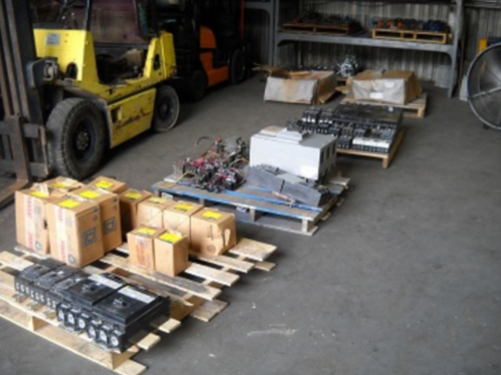
Breakers should be grouped by manufacturer, complete catalog number, marked ratings, configuration, and condition. Include suffixes and additional labels rather than shortening identification to a brand and amperage. Similar-looking devices can differ in ways that affect the purchasing review.
Photograph accessible trip-unit identification, mounting features, terminals, and included accessories. List incomplete devices separately from complete units, and distinguish loose accessories from assembled equipment. A carton of parts should not be counted as several complete breakers without verification.
Describe whether stock is unused, previously installed, repaired, or of unknown history. Provide existing inspection records when they identify the actual units. Avoid operating devices or changing settings for an initial sales demonstration; readable photographs and available documentation are the appropriate starting point.
Electrical Equipment Buyers Need Context for Complete Distribution Assemblies
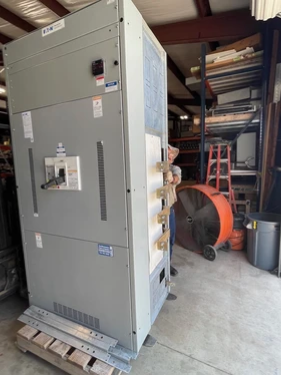
Switchgear and switchboards are more than collections of individual components. Their arrangement, ratings, included sections, controls, and documentation help establish what is being offered. Show the complete lineup before adding close photographs of accessible nameplates and major devices.
Identify which sections belong to the sale and which will remain at the facility. An overall photograph may include active equipment, retained spares, or unrelated assets. Marking those exclusions prevents the image from suggesting a broader scope than the owner has approved.
If equipment has already been dismantled, preserve the relationships between sections and components. Keep associated doors, covers, hardware, drawings, and identified accessories together. Explain which original parts are missing rather than assuming they can be located before collection.
Electrical equipment buyers also need the installed or removed status. State who controls disconnection, whether a project contractor is handling removal, and when the assembly will become available. Those circumstances affect the practical transaction even before freight is considered.
Electrical Equipment Buyers Evaluate Transformers With Their Records
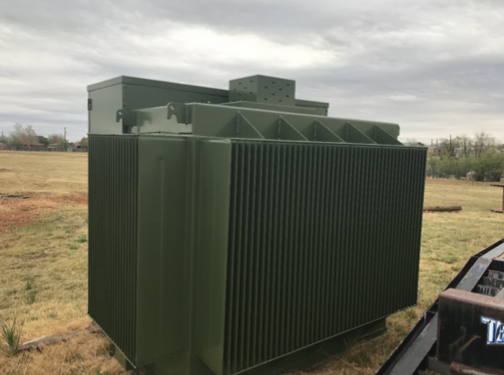
A transformer submission should include a clear nameplate photograph and exterior views of the actual unit. Record the manufacturer, serial information, kVA, primary and secondary voltages, phase, frequency, and other marked details. Preserve the full nameplate information instead of supplying only one headline rating.
Explain the reason for removal and the known service history. Disclose visible damage, missing covers, damaged terminals, corrosion, leaks, or environmental exposure. For equipment containing insulating fluid, provide available fluid identification and relevant records rather than making assumptions about its contents.
Include dimensions, available weight information, current storage position, and access restrictions. Large equipment may require specialized handling, and those requirements should be understood before collection is discussed. Qualified personnel should determine appropriate handling arrangements for the actual asset.
Existing test reports, maintenance records, drawings, and manuals may support the review when matched to the offered unit. State whether changes or incidents occurred after the recorded work. Documentation is useful context, but its scope should not be extended beyond what it actually covers.
Keep Wire, Cable, and Busway Identifiable
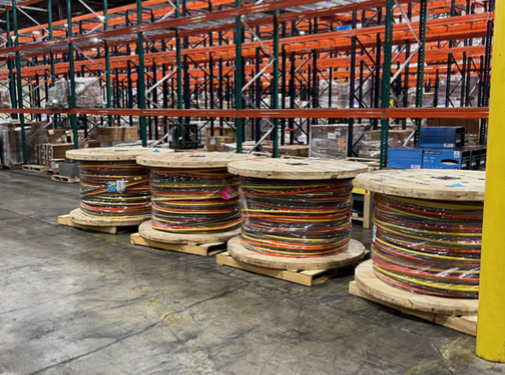
Wire and cable need product-level descriptions rather than a total weight alone. Photograph the printed legend, reel tag, accessible packaging, and overall inventory. Include conductor material, size, conductor count, insulation designation, and other marked information where available.
Report continuous footage and the number of separate pieces. One continuous length is a different inventory from several cuts with the same combined footage. If the quantity comes from records or an estimate, explain that basis rather than presenting original reel footage as the amount remaining.
Busway should be organized by manufacturer, product family, ratings, section lengths, and fittings. Identify joint components, feeds, closures, and accessories separately. A layout or numbered sketch can help explain the available arrangement without replacing the equipment’s technical documentation.
Do not cut wire or separate matched busway parts merely to simplify a preliminary inquiry. Preserve identification and useful inventory relationships while the material is being reviewed. Any required removal or handling work should remain under qualified supervision.
Present Controls, Disconnects, and Starter Packages Clearly
Control equipment should be identified at the component level and, where relevant, as part of an assembly. A contactor, an open starter, and an enclosed package are different offered products. List the included devices and explain which components are missing or retained.
For contactors, provide the installed coil identification alongside the main device label when safely accessible. For disconnects, include the complete catalog number, marked ratings, enclosure information, and documented configuration. Do not infer specifications from a cabinet’s appearance or its former application.
Photograph accessories and connect them with the correct equipment reference. Loose interlocks, overload components, handles, covers, and mounting parts should not be described as complete kits unless their contents and relationship have been checked.
What Determines Purchasing Interest From Electrical Equipment Buyers?
A review considers product identity, configuration, condition, completeness, documentation, quantity, current demand, and recovery requirements. No single price per item or pound can describe every mixed electrical inventory. Equipment with similar dimensions or ratings may still have different commercial prospects.
Original purchase cost provides historical context rather than a present offer. Some specialized equipment has a limited audience outside its original installation. Other products may serve replacement needs, but that possibility still depends on exact identification and actual condition.
Discontinued status alone does not establish value. Some older components support operating systems, while others have limited demand. Equally, unused stock is not automatically suitable for a transaction when its configuration is unclear, packaging is compromised, or quantities cannot be established.
Electrical equipment buyers must also consider the work required to receive the assets. A staged pallet and an installed multi-section assembly involve different handling, access, and scheduling obligations. Share those details early so commercial discussions reflect the complete opportunity.
Describe Condition Without Relying on Appearance
Separate unused, previously installed, removed, repaired, incomplete, and condition-unknown inventory. Explain how those categories were established. A clean enclosure, branded carton, or old service tag should not substitute for the actual history of the equipment.
Disclose known overheating, electrical faults, water exposure, fire, impact, corrosion, or missing components. Identify affected items individually so the condition of one asset is not confused with the remainder of the lot. Photographs should show concerns directly.
For repaired or reconditioned equipment, provide records identifying the asset, provider, date, and scope of work. Avoid extending one report to an entire inventory. If history cannot be confirmed, state that clearly instead of creating an unsupported performance claim.
Request a Review Before a Project Deadline Limits Your Options
Early documentation is especially useful during facility modernization and closure projects. Equipment may still be identifiable, drawings may remain accessible, and maintenance personnel may be available to explain its history. Those details can become harder to recover after dismantling begins.
Separate the decision date from the physical release date. A business may need an agreement before an outage, while collection cannot occur until later. Explain the timing of approval, disconnection, removal, staging, and final clearance rather than giving one ambiguous deadline.
Identify the contractor scope already in place. A purchasing inquiry does not authorize electrical work or establish that removal is included. The facility and qualified personnel must control safe access, isolation, disconnection, and any other required site work.
When the site needs a broader disposition discussion, the electrical inventory purchasing information provides a relevant internal resource. Keep the proposed equipment list and exclusions specific to your project.
Prepare the Information Electrical Equipment Buyers Use
Preparation should make the inventory understandable without damaging it or creating unnecessary work. Preserve labels, keep matching components together, and gather existing records. Use a consistent reference system so photographs, documents, and quantities remain connected.
- Confirm ownership and identify the person authorized to approve the sale.
- Separate available equipment from retained operational assets and reserved stock.
- Group inventory by equipment category, identification, and condition.
- Photograph complete items, readable nameplates, packaging, and visible damage.
- List quantities and identify estimates or inaccessible material.
- Keep drawings, accessories, hardware, and records with the correct assets.
- Describe current storage, installed status, and handling requirements.
- Provide the location, access restrictions, and realistic release schedule.
Do not paint over labels, discard records, remove valuable accessories, or combine unrelated parts before review. Where the project requires equipment to move, document it beforehand and retain the inventory references through staging.
How the Electrical Equipment Buyers Review Process Works
Share the Main Equipment Groups
Begin with the principal assets, approximate quantities, condition, photographs, location, and timing. For larger inventories, organize the overview by equipment type or facility area. This establishes the scope without requiring every minor accessory to be cataloged first.
Clarify Identification and Completeness
Follow-up questions may concern model suffixes, component relationships, ratings, missing parts, or documentation. Keep answers tied to inventory references. If information cannot be verified, identify the uncertainty rather than borrowing specifications from a similar item.
Discuss the Purchase Scope
When purchasing interest exists, identify the assets included in the proposed transaction and any exclusions. An evaluation may cover a selected group rather than every item on the original list. Make that boundary clear before pricing and collection arrangements are finalized.
Confirm Payment and Recovery Terms
Record the agreed price, payment method, payment timing, inspection conditions, and release requirements. Confirm who handles removal, packaging, rigging, loading, transportation, and any other included work. Compare proposals by their complete scope rather than the equipment price alone.
Reconcile the Equipment Before Collection
Check the final list against the assets prepared for release. Separate purchased equipment from retained stock and identify the authorized site contact. Communicate changes in quantity, condition, or access before loading so both parties can address them under the agreement.
Make Loading and Access Part of the Initial Discussion
Equipment details establish what is available; access information establishes what collecting it involves. Describe floor level, storage position, loading areas, aisle limitations, appointment requirements, and available handling resources. Include dimensions and weights where known, clearly labeling estimates.
Do not assume that equipment visible at a site will be available for loading. Confirm resources with the person managing the property. Restrictions on working hours, contractor access, security, or lifting operations should be discussed before a collection date is proposed.
Electrical equipment buyers need these facts to understand practical feasibility. A well-described opportunity includes both the product information and the conditions under which the seller can release it.
Discuss Your Inventory With Texas Global Resources
Owners often know they need to clear equipment before they know its complete technical description. That is enough to begin gathering an overview. Identify the main assets, take readable photographs, and explain the information still being collected.
Texas Global Resources reviews qualified commercial and industrial opportunities with attention to the actual inventory and transaction requirements. Learn more about the business through the company background page, or proceed directly with an equipment submission when your assets are ready for review.
Whether the opportunity involves a compact group of replacement components or a larger project release, keep the equipment, records, and decision-makers connected. Clear ownership, accurate quantities, and honest condition descriptions support a more focused purchasing conversation.
Call or text 713-385-1333 to discuss available assets with electrical equipment buyers, or request a review through the contact page.
Frequently Asked Questions About Electrical Equipment Buyers
Can I Submit Several Types of Electrical Equipment Together?
Yes. Separate the inventory into equipment categories and identify the main models, quantities, condition, and location. Include overall photographs and representative nameplates. A mixed submission is easier to review when each group remains identifiable rather than being described only by pallet count or total weight.
Do Electrical Equipment Buyers Consider Used Assets?
Previously installed equipment can be presented with an accurate history and current-condition description. Explain why it was removed, disclose known incidents or missing parts, and provide relevant records. A purchase decision depends on the particular assets and requirements rather than the used designation alone.
Can Unused Material From a Cancelled Project Be Offered?
Yes. Include the actual product identification, quantities, packaging status, and storage history. Explain whether material was never installed and whether package contents have been verified. Match purchase documents with the available inventory rather than assuming the original order quantity remains unchanged.
Does Discontinued Equipment Automatically Have Value?
No. Some discontinued products may have replacement demand, but age and scarcity do not establish a purchase opportunity by themselves. Exact identity, configuration, completeness, condition, documentation, and recovery costs remain important. Submit the actual information so the equipment can be considered on its merits.
Do I Need a Complete Spreadsheet Before Making Contact?
A complete list is helpful, but an initial overview can begin with photographs, principal equipment groups, estimated quantities, location, and timing. Mark estimates clearly and explain missing information. Additional details can then be gathered for the assets most relevant to further review.
Should Installed Equipment Be Removed Before Review?
Not necessarily. You can begin with safely available identification and existing records while explaining the proposed outage and removal schedule. Do not dismantle equipment solely because you assume a purchase will follow. Qualified personnel must control electrical access and removal procedures.
Does a Purchasing Review Certify the Equipment?
No. A commercial review considers the equipment as a potential purchase. It does not establish installation suitability, code approval, or electrical certification. Share existing test and maintenance records accurately, and discuss any additional inspection requirements without overstating the scope of the review.
Who Handles Loading and Transportation?
Those responsibilities should be established in the agreement. Provide access, dimensions, weight information, available resources, and deadlines during the inquiry. Confirm packaging, rigging, loading, freight, and removal responsibilities before collection rather than assuming they are included automatically.
When Are Payment Terms Confirmed?
Payment method, timing, and equipment-release conditions should be documented before the transaction proceeds. Keep those terms connected to the agreed asset list and any inspection conditions. Resolve differences between a preliminary discussion and the written agreement before releasing property.
What Makes an Equipment Submission More Useful?
Readable identification, honest condition notes, accurate quantities, current photographs, clear ownership, and realistic access information provide the strongest starting point. Include your release schedule and identify exclusions. These details help electrical equipment buyers assess the actual opportunity and ask focused follow-up questions.