
Sell Switchgear Through a Direct Industrial Equipment Buyer
Call or text 713-385-1333 to submit your switchgear and request a purchasing review.
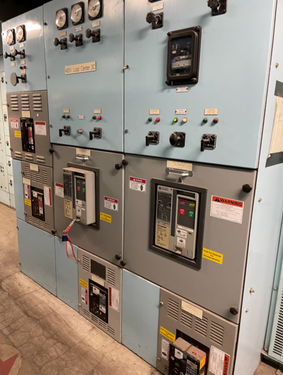
When a facility needs to sell switchgear, the best results begin with accurate equipment records, clear photographs, confirmed ownership, and enough time to evaluate removal requirements. Texas Global Resources reviews qualified new, unused, used, and obsolete electrical distribution equipment from verified sellers throughout the United States. Industrial plants, commercial property owners, electrical contractors, distributors, construction companies, maintenance departments, and equipment owners can submit one cabinet, several matching sections, a complete lineup, or switchgear associated with a broader facility project.
Switchgear is not a uniform commodity. Manufacturer, product family, voltage, continuous-current rating, short-circuit rating, enclosure type, section arrangement, bus configuration, installed breakers, protective controls, condition, location, and completeness all influence purchasing interest. A distant photograph cannot reveal enough information for a responsible review. Sellers who want to sell switchgear should document the entire lineup and then capture the specific labels, breakers, meters, relays, controls, and compartments that define its configuration.
Texas Global Resources provides a commercial purchasing service. It does not provide engineering approval, electrical testing, code compliance, installation, or safety certification through this page. Never open energized compartments or approach exposed electrical parts to prepare a sales inquiry. Qualified personnel should handle inspection, disconnection, rigging, and removal according to applicable requirements and the facility’s safety program.
What Equipment Can You Submit When You Sell Switchgear?
Potential submissions may include low-voltage switchgear, medium-voltage switchgear, metal-enclosed equipment, metal-clad lineups, switchboards, distribution sections, drawout-breaker cabinets, main sections, tie sections, feeder sections, fused distribution equipment, and related electrical components when they match current purchasing needs. Complete lineups are useful because their configuration can be documented as a system, but individual sections and significant breakers may also deserve review.
Equipment may come from a planned modernization, facility closure, production-line change, project cancellation, warehouse reduction, commercial renovation, capacity upgrade, or electrical-system standardization. Explain why the gear became available. Switchgear removed during a routine replacement has a different history from equipment affected by an electrical fault, fire, flood, or mechanical impact. Accurate disclosure lets the buyer assess the opportunity without relying on assumptions.
Current and discontinued models can both be submitted. Newer equipment may support projects looking for familiar configurations, while obsolete switchgear may provide replacement value for an established installed base. Age alone does not guarantee value. Exact ratings, condition, breaker types, modifications, documentation, demand, and recovery expense determine whether the equipment is practical to purchase.
Describe Switchgear Condition Honestly
Use condition terms carefully. “New” generally means never installed or energized. “Unused” may describe project equipment that has been stored but lacks complete original packaging. “Used” indicates previous installation or service. “Reconditioned” should identify who performed the work and what was inspected or tested. When history cannot be verified, say the operating condition is unknown.
Photograph corrosion, missing covers, damaged doors, burned parts, cut control wiring, absent breakers, bent structures, broken mechanisms, water exposure, field modifications, removed relays, and other visible concerns. Do not repaint, strip, or clean away identifying evidence before the review. Businesses that accurately document defects are better positioned to sell switchgear without delays caused by conflicting condition claims.
Sell Switchgear Cabinets and Individual Sections
Have one cabinet or selected sections available? Call 713-385-1333 with the equipment details.
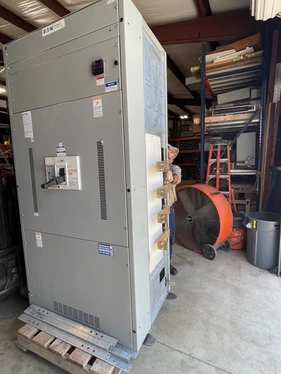
A single cabinet can warrant review when it is identifiable, complete enough to evaluate, and practical to recover. Photograph the full front, both accessible sides, rear, manufacturer plate, section label, installed device labels, and any visible damage. Provide dimensions and approximate weight when known. State whether the cabinet is freestanding, attached to a lineup, bolted down, palletized, or already prepared for shipment.
If the cabinet was separated from a larger lineup, explain its original position and function. Identify whether it served as a main, tie, feeder, metering, auxiliary, or distribution section. Include one-line diagrams or equipment schedules when available and safe to share. Documentation should correspond to the actual cabinet rather than a similar model from another project.
Owners planning to sell switchgear sections must identify missing items. Doors, bus links, breakers, controls, relays, instrument transformers, shutters, racking components, and internal wiring can affect completeness. A buyer needs to know which components remain and which were removed before terms can be considered.
Storage conditions also matter. Indoor storage does not guarantee protection if humidity, roof leaks, dust, chemicals, or impacts affected the equipment. Outdoor storage should be disclosed along with coverings and duration. Provide current photographs rather than relying on images taken before removal or storage.
Why Businesses Sell Switchgear
Electrical systems change as facilities grow, consolidate, modernize, or change use. A lineup may become surplus because a plant upgraded its service, a building was redeveloped, a production area closed, or a new design required different ratings. Contractors may hold usable project overages, while distributors may have customer returns or discontinued inventory. Each situation creates a different combination of equipment condition, urgency, and documentation.
Unused switchgear can occupy substantial floor space and require repeated handling. It may also create confusion when old sections are stored near active replacement equipment. A defined sale process helps the owner separate approved surplus, preserve records, and establish who has authority to release the assets.
Timing is important. Owners should contact a buyer while labels, breakers, controls, and diagrams remain connected to the lineup. Once crews dismantle equipment without a record, essential context can be lost. Early preparation also gives the seller time to compare commercial terms, clarify loading responsibility, and coordinate the disposition with the larger project schedule.
Sell Switchgear With Matching Spare Breakers
Submit the lineup and spare-breaker list together by calling 713-385-1333.
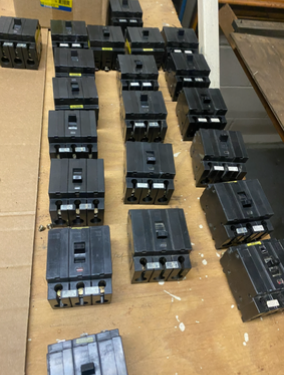
Spare breakers can strengthen the documentation of a switchgear package when they genuinely match the available lineup. Record each manufacturer and complete catalog number, frame size, trip rating, mounting type, and condition. Keep rating plugs, electronic trip units, racking handles, secondary disconnect parts, and mounting hardware with the correct device whenever possible.
Do not assume every breaker stored near switchgear is compatible. Facilities accumulate spares from multiple generations and product families. Compare catalog information and use maintenance records when available. If compatibility is uncertain, list the breaker separately. Honest uncertainty is preferable to a claim that cannot be verified.
Before you sell switchgear with spares, maintenance personnel should remove any equipment needed for active systems, scheduled projects, or emergency coverage. Clearly mark excluded assets and obtain internal approval for the final sale list. This prevents essential facility equipment from being released accidentally.
Arrange loose breakers safely for photography. Avoid stacking weight on handles, trip units, or vulnerable connection points. Provide one overall inventory image and close photographs of representative nameplates. For a small number of large or valuable breakers, photograph every unit individually.
Information Needed to Sell Switchgear
Manufacturer and Product Identification
Provide the manufacturer, product family, model, serial information, manufacture date when shown, lineup designation, and enclosure classification. Capture every primary nameplate and section label in readable focus. Do not identify equipment only by cabinet color or an incomplete brand reference.
Voltage, Current, and Fault Ratings
Record rated voltage, amperage, phase, frequency, wire configuration, bus rating, short-circuit or interrupting rating, and withstand information when available. Include control voltage and auxiliary power data if documented. Never remove safety barriers from energized equipment to find a label.
Lineup Arrangement
Count the sections and describe their order. Identify mains, ties, feeders, metering, fused sections, and auxiliaries. A simple written sequence or marked photograph can help connect the inventory to the physical lineup. Note whether all sections remain attached.
Breakers and Protective Devices
List main, tie, and feeder breakers separately. Include frame and trip ratings, drawout or fixed mounting, trip-unit details, rating plugs, fuses, relays, meters, and control components. These items often determine how a buyer understands the equipment’s application and completeness.
Operating and Maintenance History
Explain the last known status, removal reason, service environment, and known incidents. Provide legitimate maintenance or test records that identify the specific equipment, date, provider, and work performed. Do not describe equipment as certified merely because a generic inspection sticker is present.
Location, Access, and Deadline
State the city and state, floor level, doorway restrictions, dock availability, forklift or crane access, rigging path, operating hours, security rules, removal status, and required schedule. Recovery details help determine whether an otherwise desirable purchase is feasible.
Sell Switchgear During Facility and Warehouse Clearouts
For multiple sections, pallets, and related components, call or text 713-385-1333.
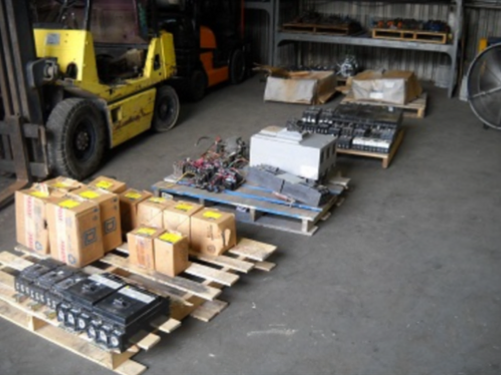
Clearout projects often combine switchgear with breakers, controls, bus components, cable, transformers, panels, and unrelated industrial assets. Keep the switchgear inventory distinct. List cabinet sections first, matching breakers second, and other equipment separately. This structure lets Texas Global Resources evaluate the exact service request without confusing the scope.
Pallet counts alone are not enough. Photograph every pallet from several sides and identify its contents by model and quantity when possible. State whether parts are boxed, loose, wrapped, exposed, or mixed. Provide dimensions and approximate weight if known, and explain whether pallets can be accessed without moving retained inventory.
Companies that sell switchgear during a shutdown should give the actual decision date and removal date. A specific timeline is more useful than “as soon as possible.” Describe which work will be completed by the seller’s electrical contractor and which equipment will be ready for loading. Any proposed buyer responsibility must be confirmed as part of the transaction.
Keep approved sale assets physically separate from active spares and retained equipment. A marked staging area, inventory labels, and an authorized site contact reduce loading mistakes. Preserve the documented condition while the review is underway.
How Switchgear Is Evaluated for Purchase
Switchgear does not have one standard resale price per section. Evaluation considers manufacturer, product family, ratings, arrangement, breaker population, protective controls, condition, completeness, age, demand, documentation, location, and recovery cost. Two cabinets with similar dimensions may have very different commercial potential because their applications and components differ.
Original acquisition cost does not establish current value. A costly custom lineup may serve a narrow application, while a common configuration may appeal to a broader market. Obsolete equipment can retain value when it supports an active installed base, but discontinued status alone does not create demand.
Documentation reduces uncertainty. Original submittals, one-line diagrams, equipment schedules, breaker lists, maintenance records, and test reports can help when they match the actual equipment. If the gear was modified after installation, describe those changes instead of presenting original drawings as the present configuration.
Recovery expense is part of the review. Switchgear dimensions and weight, section separation, bus disconnection, anchoring, rigging, loading equipment, freight distance, site access, and schedule can affect an offer. Sellers who want to sell switchgear should disclose obstacles at the beginning so both equipment and logistics can be assessed together.
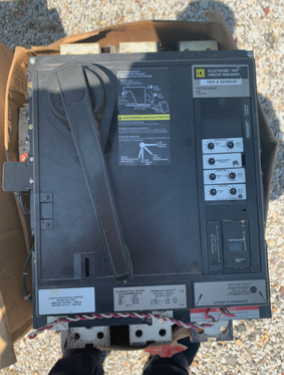
Sell Switchgear With Large-Frame and Drawout Breakers
Have large switchgear breakers available? Send nameplate photographs and call 713-385-1333.
Large-frame and drawout breakers deserve individual documentation. Photograph the full face, complete nameplate, frame rating, trip unit, rating plug, operating mechanism, secondary disconnects, stabs, mounting features, and visible accessories. Identify the switchgear section served and whether the cradle, cell, lifting device, or racking handle is included.
Disclose service history and the reason for removal. A breaker stored as a spare has a different history from one removed after a trip event or known fault. Include test documentation when it specifically identifies the unit and work performed. Cosmetic appearance alone does not establish electrical performance.
Heavy breakers can be dangerous to move. Do not lift, rack, operate, or test them solely to prepare a sales submission. Use qualified personnel and proper handling equipment. If a breaker remains installed, safe exterior and nameplate photographs may be sufficient for an initial review.
You can sell switchgear breakers with a complete lineup or as an associated spare inventory. Keep each catalog number and quantity distinct. Missing trip units, damaged housings, corroded connections, or incomplete mechanisms should be shown clearly.
The Process to Sell Switchgear
Confirm Ownership and Authority
Verify that the organization owns the equipment and may legally sell it. Exclude leased, financed, consigned, customer-owned, or disputed assets. Identify the person authorized to approve commercial terms.
Create an Equipment Record
List the sections, ratings, breakers, controls, condition, and documentation. Photograph the entire lineup and then the detailed identification. Keep filenames or notes connected to the correct section.
Explain the Project Schedule
Provide the de-energization status, expected disconnection date, removal date, loading window, and final site deadline. Describe access, rigging, and available material-handling equipment.
Submit the Inventory for Review
Use the Texas Global Resources contact page to send a written overview, photographs, location, and callback information. A complete submission supports a more efficient response.
Clarify Scope and Terms
If purchasing interest exists, confirm included sections, breakers, accessories, excluded assets, inspection expectations, price, payment, loading responsibility, and pickup timing. Do not release equipment based on an incomplete verbal understanding.
Prepare the Approved Equipment
Keep the agreed inventory together, accessible, and protected. Ensure authorized site personnel understand the plan. Electrical disconnection, rigging, and loading must follow the approved responsibilities and safety requirements.
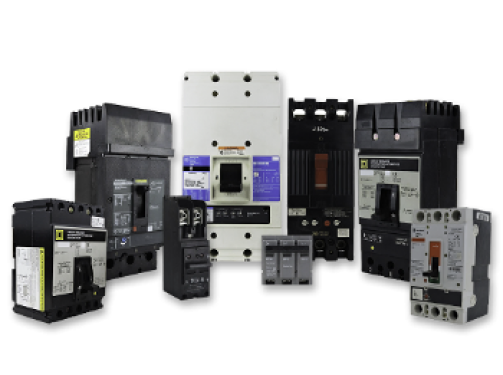
Sell Switchgear Breakers and Related Components
Submit the switchgear and matching component list at 713-385-1333.
A complete submission may include main breakers, feeder breakers, spare breakers, trip units, rating plugs, protective relays, meters, fuses, control components, bus parts, and hardware. Identify which items belong to the available lineup and which are general facility spares. Do not represent unrelated parts as a matching package.
Group components by manufacturer and exact catalog number. List complete devices separately from parts. If compatibility is uncertain, describe it as unknown. Clear grouping lets the purchasing team determine whether an inventory supports a full lineup, replacement need, expansion, or parts opportunity.
Other industrial assets can be mentioned in the inquiry, but the switchgear package should remain clearly defined. Maintaining that separation keeps the page and transaction focused on the exact intent to sell switchgear.
Frequently Asked Questions About How to Sell Switchgear
Can I Sell Used Switchgear?
Used equipment can be submitted when it is identifiable, honestly described, legally available, and practical to recover. Provide ratings, configuration, condition, service history, removal reason, photographs, and documentation.
Can I Sell Obsolete Switchgear?
Obsolete equipment may be reviewed because some facilities maintain discontinued systems. Purchasing interest depends on the exact model, breakers, ratings, configuration, completeness, condition, location, and current demand.
Can I Sell One Switchgear Cabinet?
Yes, a single cabinet may qualify when it has useful identification and sufficient commercial potential. Submit photographs of the entire section, labels, breakers, controls, sides, condition, dimensions, and location.
Must the Equipment Be Removed First?
Not necessarily. Installed documentation can help establish the original lineup and component relationship. Contact Texas Global Resources before unnecessary dismantling. Qualified professionals must handle any electrical work.
Can I Sell Switchgear From Anywhere in the United States?
Texas Global Resources reviews qualified opportunities nationwide. Whether a purchase is feasible depends on value, condition, quantity, location, access, freight, and schedule. Include city and state with the first inquiry.
How Quickly Can I Receive a Review?
Timing depends on submission quality and project complexity. Readable nameplates, complete ratings, section counts, breaker lists, condition photographs, location, access, and specific deadlines reduce avoidable follow-up.
Should I Test the Switchgear Before Selling?
Do not arrange unnecessary testing before asking what information is required. Submit existing records and disclose the current status. Any inspection or testing must be performed safely by qualified parties.
Prepare to Sell Switchgear Today
Begin while the equipment remains complete and identifiable. Confirm ownership, separate retained assets, photograph the lineup, record ratings, inventory breakers, preserve documentation, disclose condition, and describe access. These steps protect useful information and give the buyer a realistic picture of the opportunity.
Avoid leaving sections exposed to weather or allowing demolition crews to mix breakers and controls into scrap. Missing parts and unreadable labels can reduce practical value. If a shutdown is approaching, submit the equipment before removal decisions become urgent.
To sell switchgear, send Texas Global Resources the manufacturer, product family, ratings, section count, breaker list, condition, photographs, city and state, removal status, loading details, and required schedule. Include the best phone number and email address for follow-up.
Call or text 713-385-1333 to sell switchgear and request a direct purchasing review.