
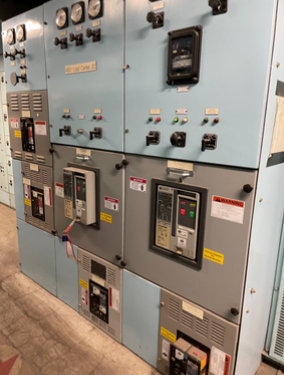
Busway Buyers for Available Industrial Inventory
Have busway available after a project change, facility upgrade, or closure? Call or text 713-385-1333 to discuss a purchasing review.
Unused busway can occupy valuable warehouse space long after the project it was purchased for has changed. Installed systems can create another challenge when production moves or a building is scheduled for renovation. Texas Global Resources gives equipment owners a contact point for presenting available inventory to busway buyers and discussing whether the material fits current purchasing requirements.
The strongest starting point is a clear description of what you own. A complete distribution run, several unused straight sections, and a mixed collection of fittings are different commercial opportunities. Identifying the manufacturer, product family, ratings, quantities, and condition helps establish what is available without relying on broad descriptions or unsupported estimates.
Texas Global Resources reviews qualified opportunities involving surplus electrical equipment. For your busway submission, explain whether the material remains installed, has already been removed, or is stored as unused project stock. Include current photographs and your expected release date. Call 713-385-1333 to begin the conversation or submit your equipment details online.
What Busway Buyers Look for in a Submission
A purchasing review starts with equipment identification. Similar-looking sections can belong to different product families, and an amp rating alone does not establish compatibility. Manufacturer labels, catalog numbers, drawings, and photographs help distinguish your inventory from other systems that may have different connections or construction.
Provide the information marked on the actual equipment. Useful details include voltage, amperage, phase, wire configuration, conductor material, enclosure designation, and available short-circuit rating information. If a label is unclear, photograph it and identify the uncertainty instead of filling in missing characters from memory.
Busway buyers also need to understand the scope of the proposed sale. State whether joint components, feeds, closures, fittings, supports, and plug-in units are included. Clearly separate retained material from available inventory so a preliminary discussion does not accidentally include equipment still needed for operations.
For general background on the equipment itself, Wikipedia explains busway and its use in electrical distribution. Your purchasing submission should go further by documenting the particular sections and accessories you have available.
Complete Runs With Supporting Components
A complete run is easier to describe when its components remain connected through an inventory record. Number the straight sections, identify direction-changing fittings, and list the associated feeds and terminations. An existing layout can help explain where each item belonged before removal.
Check the available material against the drawing rather than assuming the original arrangement remains complete. Components may have been retained, replaced, or relocated during earlier work. A current inventory gives busway buyers a clearer basis for evaluating the actual package being offered.
Unused Sections and Project Overages
Unused material may become available after design revisions, cancelled installations, or purchasing overages. Record quantities and section lengths, then match packaging information with the equipment labels where accessible. State whether containers have been opened and whether their contents have been verified.
Original packaging is useful context, but it does not establish that every component is complete or undamaged. Describe storage conditions and disclose torn wrapping, damaged crates, moisture exposure, or missing hardware. Accurate descriptions help avoid disagreements later in the purchasing process.
Removed and Previously Operated Equipment
For previously operated systems, explain when the equipment was removed and what is known about its service history. Include existing maintenance or inspection records when they identify the offered material. Distinguish documented information from statements passed along by a previous owner or contractor.
Describe current condition separately from past operation. Equipment that was operating before a shutdown may have experienced damage during dismantling, handling, or storage. Recent photographs should show the inventory as it exists today, including any concerns that affect particular sections.
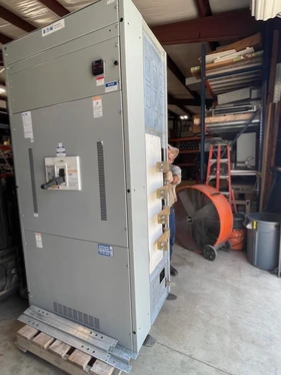
Prepare a Component List for Busway Buyers
An organized component list saves time because it connects the photographs with measurable quantities. Use a spreadsheet, typed list, or legible inventory sheet. The format matters less than consistency: each group should have an identifier, a description, a quantity, and supporting photographs.
Avoid presenting footage as the only measure of the opportunity. Total footage does not explain the available lengths, fitting arrangement, joint completeness, or product family. Several clearly identified sections can be easier to assess than a larger lot described only as miscellaneous electrical material.
- Manufacturer and series: Record the exact product identification shown on labels or original documentation.
- Marked electrical information: Include available ratings without estimating specifications that cannot be confirmed.
- Straight sections: List each length and quantity within the matching product family.
- Fittings: Identify elbows, offsets, tees, reducers, and other available components individually.
- Feeds and terminations: Describe the included connection components and associated hardware.
- Joint components: State what is present, what is missing, and what has not been checked.
- Condition and availability: Explain storage history, known damage, release timing, and access requirements.
Use the same identifiers on the inventory list and photograph filenames. If a pallet contains several matching sections, show the complete pallet and representative labels, then document exceptions separately. Update the count whenever material is reserved, removed, or added during discussions.
Preserve the Details That Make Your Inventory Understandable
Busway can lose useful context when components are dismantled and moved by different teams. Fittings may become separated from straight sections, joint hardware may enter mixed bins, and original drawings may remain with a department that no longer manages the project.
Before that happens, assign one person to coordinate the sale inventory. That contact can collect technical information, confirm ownership, identify exclusions, and communicate changes. A consistent record helps busway buyers understand what they are reviewing and reduces conflicting answers about quantities or availability.
Label loose hardware according to its associated equipment group. Do not describe a container as a complete joint kit unless its contents have been checked. If components cannot be confidently matched, disclose that limitation and provide photographs rather than assigning an unsupported description.
Document Feeds and Terminations Separately
Feeds, flanges, cable connection boxes, and end closures deserve their own inventory entries. Their identification may affect how the available package is understood. Photograph labels, general condition, and included hardware when those details can be accessed safely.
Explain any known modifications. Field-altered housings, custom transitions, replacement parts, or missing barriers should be disclosed. Do not claim compatibility with another assembly based only on appearance or approximate dimensions; provide the documentation supporting any specific equipment relationship.
Keep Drawings Connected With the Available Material
Original drawings can show arrangement, component references, and project intent. They are most useful when accompanied by a current list explaining which pieces remain available. Mark exclusions clearly so a drawing does not imply that an entire installation is included.
If original documents are unavailable, a simple numbered sketch can still help connect sections and fittings. Present it as an inventory aid rather than an engineering drawing. Measurements should reflect the actual components, and uncertain dimensions should remain identified as uncertain.
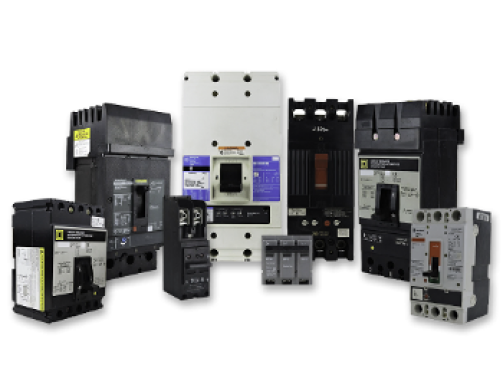
Busway Buyers Need Separate Details for Associated Devices
Plug-in units and protective devices should be listed separately from straight-section footage. Provide the manufacturer, catalog number, marked rating, quantity, and condition for each identifiable group. Explain whether units remain attached to the busway or are stored loose.
Do not assume that every device stored nearby belongs to the same system. Equipment from several projects may share warehouse space, and similar housings can conceal important differences. Labels from both the busway and the associated device provide a better foundation for describing compatibility.
Show visible damage or missing parts without disturbing energized equipment. Existing documents can supply information that cannot be photographed safely. Electrical access, disconnection, and testing must remain with qualified personnel following the facility’s procedures.
If the project also includes other electrical assets, keep those groups distinct from your busway submission. The electrical surplus purchasing information can help frame a broader inquiry while allowing the busway inventory to be assessed on its own details.
How Condition Influences a Purchasing Review
Specific condition descriptions are more useful than general labels such as excellent or ready to use. Explain whether material is unused, previously installed, previously energized, removed, repaired, or of unknown history. Identify the source of that information when records are available.
Disclose corrosion, bent housings, damaged insulation, impact marks, missing covers, altered connections, or evidence of overheating. If concerns affect only certain components, identify them individually. This lets busway buyers distinguish the condition of those pieces from the remainder of the lot.
Storage history matters as well. State whether material has been kept indoors, under cover, or exposed to weather. Include the approximate storage period if known. Packaging and clean exterior surfaces should not be used to imply verified internal condition.
Existing inspection and maintenance documents may support the review, but their scope should be clear. A record covering one area or one component should not be presented as proof for every offered section. Share the actual document and explain which equipment it identifies.
What Affects an Offer From Busway Buyers?
Commercial evaluation considers the actual inventory rather than a universal rate per foot. Product identity, ratings, conductor material, section lengths, fittings, completeness, condition, quantity, and current demand can all influence purchasing interest. Similar footage does not necessarily represent a similar opportunity.
Original acquisition cost provides historical context, but it does not establish a present purchase price. Some inventory was selected for a particular layout, and its usefulness elsewhere may depend on the available component mix. Missing parts or uncertain identification can also change the review.
Recovery costs must be considered alongside the equipment. Installed material requiring coordinated removal presents different responsibilities from a staged warehouse lot. Loading access, handling requirements, transportation distance, site restrictions, and deadlines can affect whether an opportunity is commercially practical.
A preliminary conversation is the beginning of the process. If purchasing interest develops, confirm the included inventory, inspection expectations, price, payment terms, and responsibilities in writing. Clear terms protect the value of an agreement by reducing assumptions about what each party will provide.
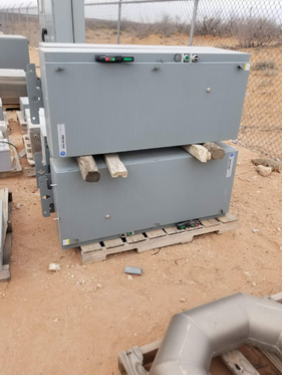
Discuss Installed Equipment Before the Removal Deadline
Facility projects often involve several schedules at once. Production may need to stop before disconnection, a contractor may control dismantling, and another team may need the floor space cleared. Explain those dependencies when you contact busway buyers.
Identify who is responsible for isolation, removal, packaging, staging, and loading. If any responsibility remains undecided, state that early. A purchasing inquiry should not be interpreted as an agreement to perform removal or provide particular loading resources.
Do not dismantle equipment simply to prepare photographs for an inquiry. Submit existing records and safely available views first. Qualified personnel should determine access and handling arrangements, including any work around installed electrical equipment or heavy suspended components.
Before release, confirm that the seller has authority to transfer the material. Exclude retained operational spares, customer-owned stock, leased equipment, and anything subject to unresolved ownership restrictions. Keeping those exclusions clear helps prevent an otherwise workable transaction from stalling.
Present Warehouse Inventory With Accurate Quantities
Stored busway should be grouped by manufacturer, product family, rating, and condition wherever practical. Photograph the arrangement before closeups so the purchasing contact can connect individual labels with the overall lot. Separate mismatched material rather than assigning one description to everything.
Measure and count the available sections using personnel and equipment appropriate to the task. State when a quantity is an estimate. Long or heavy components should not be moved unnecessarily for a preliminary submission, especially when access or lifting resources are limited.
Describe the collection area accurately. Mention available dock access, suitable loading equipment, site hours, appointment requirements, and any restrictions affecting the movement of long sections. Confirm those resources with the person managing the property rather than assuming they will be available.
The Purchasing Review Process
Send an Initial Inventory Overview
Provide the manufacturer, product family, approximate quantity, known ratings, condition, location, and expected release date. Add representative photographs and explain whether the equipment is installed or stored. This establishes the basic opportunity without requiring an elaborate presentation.
Resolve Equipment and Scope Questions
Additional questions may concern fittings, joint components, device identification, ownership, or access. Keep your responses connected to the inventory list. When information cannot be confirmed, disclose the uncertainty rather than representing an estimate as a verified specification.
Confirm the Proposed Agreement
If the inventory fits purchasing requirements, review the proposed equipment list and terms. Identify exclusions, inspection conditions, payment arrangements, and the parties responsible for removal, packaging, loading, and transportation. Confirm deadlines before scheduling a release.
Coordinate the Final Equipment Release
Before collection, reconcile the inventory with the agreement and identify the authorized site contact. Keep excluded material clearly separated. Any change in quantities, access, or equipment condition should be communicated before loading begins so the transaction can proceed on an accurate basis.
Contact Busway Buyers With Your Equipment Details
Your first submission does not need to answer every technical question. It should give a reliable picture of the equipment, explain what is included, and identify the information still being gathered. Readable labels, current photographs, and an organized component list provide a useful starting point.
Texas Global Resources reviews qualified opportunities according to the actual material and purchasing requirements. Present complete runs, unused project stock, or removed inventory with clear condition and availability details. Early communication gives you time to address questions before storage or project deadlines become urgent.
Call or text 713-385-1333 to discuss your inventory with busway buyers, or request a purchasing review through the contact page.
Frequently Asked Questions About Busway Buyers
Can Busway Buyers Review a Complete Installed Run?
Yes, a complete installed run can be submitted for preliminary review. Include labels, available drawings, component quantities, known condition, and the anticipated release schedule. Explain removal responsibilities and access restrictions. Purchasing interest and any collection arrangements must be confirmed before the equipment is released.
Can I Offer Straight Sections Without Matching Fittings?
You can present straight sections separately, provided the submission clearly identifies the available lengths, quantities, product family, condition, and missing components. Do not describe the lot as a complete system. Whether an offer is practical depends on the specific inventory and current purchasing requirements.
Do Busway Buyers Consider Discontinued Equipment?
Discontinued equipment may be considered, but discontinued status alone does not establish demand or value. Accurate product identification, condition, completeness, available quantities, and potential compatibility remain important. Provide readable label photographs and disclose missing components so the equipment can be reviewed on its actual characteristics.
Does Unused Packaging Prove the Equipment Is New?
No. Packaging can help identify inventory, but it does not confirm the contents, completeness, or present condition. State whether containers have been opened and whether labels match the actual components. Disclose storage history and visible packaging damage rather than relying on an unopened appearance.
Should I Arrange Testing Before Contacting Busway Buyers?
Start by sharing existing records and the equipment’s known history. Additional inspection or testing requirements can be discussed during the review. Avoid assuming that new testing is required for an initial inquiry. Any electrical testing or access must be managed by qualified personnel under appropriate procedures.
Can Plug-In Units Be Included in the Sale?
List them separately with manufacturer information, catalog numbers, ratings, condition, and quantities. Explain whether they are attached or loose, and provide documentation supporting their association with the offered busway. Identify missing parts or alterations so the device inventory can be reviewed accurately.
Are Removal and Transportation Automatically Included?
No. Responsibilities depend on the particular opportunity and the written agreement. Describe installed height, access, available loading resources, packaging needs, and deadlines during the inquiry. Confirm who provides each service before scheduling work or assuming that a proposed equipment price includes those costs.
What Should I Have Ready Before Making Contact?
Prepare the manufacturer, product family, approximate quantities, known ratings, condition, location, and timeline. Include available label photographs and explain whether fittings, joint components, and drawings accompany the inventory. These details help busway buyers understand the opportunity and identify useful follow-up questions.