
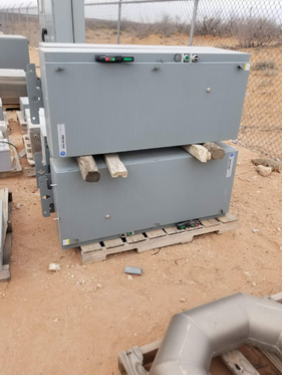
Electrical Disconnect Buyers for Available Switches and Enclosed Equipment
Put unused switches and retired disconnect equipment forward for review. Call or text 713-385-1333 with your inventory details.
Electrical equipment purchased for one project can remain in storage long after the final plans change. A machinery replacement can also leave serviceable-looking disconnects without an assigned application, while a facility closure may release an entire group at once. Texas Global Resources provides a purchasing contact for owners seeking electrical disconnect buyers and a practical way to present that available equipment.
The first conversation should establish what you own, what is included, and when it can be released. An unopened safety switch, a previously installed disconnect, and an enclosure missing its operating mechanism represent different opportunities. Clear identification and an accurate condition description help determine whether the material fits current purchasing requirements.
Submit individual units, matching groups, or organized project inventory with readable photographs and a realistic timeline. You do not need a professionally prepared equipment catalog to begin. Call 713-385-1333 or send your disconnect inventory through the contact page.
What Electrical Disconnect Buyers Need to Identify
A disconnect should be identified by its own manufacturer information rather than the appearance of its cabinet. Similar enclosures can contain different mechanisms, ratings, protective devices, and operating arrangements. Photograph the actual nameplate and retain the full catalog number, including suffixes.
Include marked voltage, amperage, pole count, enclosure designation, and other available ratings. Where the label presents different ratings under different conditions, preserve that relationship in your inventory. Do not combine separate values into a broader specification that the manufacturer has not stated.
Electrical disconnect buyers also need to understand the offered package. Explain whether the enclosure, door, handle, internal mechanism, terminals, barriers, and associated components remain together. Identify missing parts and modifications before describing equipment as complete.
For general terminology, Wikipedia provides background on disconnect switches and related isolation equipment. Your purchasing submission should rely on the labels and documentation belonging to your actual devices, since different switching designs have different capabilities.
Fusible Equipment
For a fusible unit, record the switch identification, marked ratings, fuse information, and included components. List installed or loose fuses separately from the switch quantity. Provide existing documentation about fuse provisions instead of inferring them from cabinet size.
Explain whether clips, barriers, covers, terminals, and other necessary parts are present. Internal photographs should be obtained only under safe conditions established by qualified personnel. A purchasing inquiry does not require opening installed electrical equipment to obtain additional images.
Non-Fusible Equipment
Non-fusible units should have their own inventory entries with the manufacturer, full catalog number, marked ratings, enclosure designation, and operating arrangement. State any documented accessories and identify missing components. Do not assume that a non-fusible device is equivalent to another switch with the same amperage.
Application descriptions should follow manufacturer information. A device removed from a particular machine should not automatically be described as suitable for every similar machine. Provide the former application as history, while keeping the product identification separate.
Specialized and Enclosed Assemblies
Double-throw arrangements, rotary-operated assemblies, enclosed switching equipment, and project-specific configurations need additional context. Photograph the complete assembly and its accessible labels. Explain whether the equipment was factory supplied in that arrangement or has a known modification history.
If the assembly contains other electrical devices, identify them individually and clarify the sale scope. A cabinet containing several components should not be reduced to one generic switch description when important parts affect its identity or completeness.
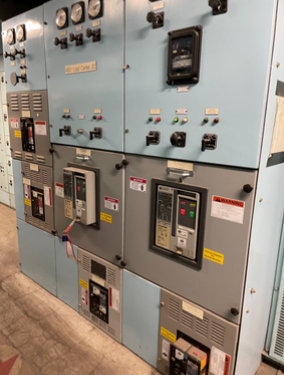
Show the Complete Equipment Offered to Electrical Disconnect Buyers
One exterior photograph can establish the size and general appearance of a unit, but it rarely answers every purchasing question. Include a readable nameplate image, safely accessible views of the enclosure, and photographs of visible damage or alterations. Connect each image with an inventory reference.
Describe the door, hinges, latches, handle, mounting points, and cable-entry areas as they currently exist. If components were removed during dismantling, identify them as missing or separately stored. Do not imply that they will accompany the unit unless their inclusion has been confirmed.
Keep matching parts together wherever practical. Handles, shafts, covers, neutral components, terminal hardware, and other accessories can become difficult to identify after a warehouse move. Label separate containers with the same reference used for the associated disconnect.
Operators and Door Components
Photograph the exterior operating arrangement and disclose broken handles, bent doors, damaged hinges, missing latches, or altered linkages. State whether replacement components have been installed. Avoid operating a mechanism simply to support a sales description.
An intact enclosure does not prove that the internal operator is complete or functional. Describe what is visible and supported by records. Electrical disconnect buyers can then identify which additional information would be useful during review.
Terminals, Covers, and Accessories
List included terminal components and accessories when they can be identified. Unverified loose hardware should remain a separate inventory category. Do not describe a mixed container of parts as a complete accessory kit without checking its contents against the relevant equipment.
Disclose field changes such as added openings, replacement lugs, altered brackets, substituted components, or modified barriers. Current photographs should show those changes rather than relying solely on original project documents that may describe a different configuration.
Describe Unused, Removed, and Incomplete Inventory Separately
Condition categories should explain the equipment’s actual history. Unused stock from a cancelled purchase is different from a device removed after years of service. Equipment installed but never energized should also be identified separately when that history can be confirmed.
For previously operated units, explain the reason for removal. A planned machinery upgrade presents a different history from a switch removed after overheating, water exposure, fire, mechanical failure, or another incident. Identify affected units individually rather than applying one favorable condition statement to the entire lot.
Incomplete equipment should have its own description. Missing mechanisms, handles, covers, fuse components, or terminals can change purchasing interest. Electrical disconnect buyers need an accurate account of the available material, including limitations that may affect further evaluation.
Do not infer internal condition from a clean exterior. State which information comes from existing records, which comes from a visual inspection, and which remains unknown. Straightforward descriptions support a more productive discussion than unsupported claims that every device is ready to use.
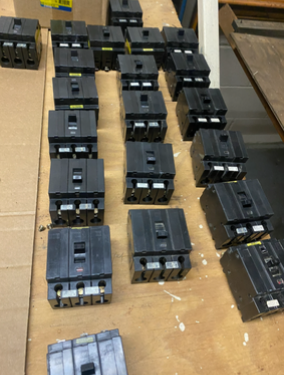
Create a Catalog-Level Inventory for Electrical Disconnect Buyers
Group matching units by complete catalog number, configuration, and condition. Give each group a reference number and use it consistently on the inventory sheet and photographs. Separate exceptions so a damaged or altered device is not counted as identical to the rest.
A spreadsheet works well for a larger release, while a clearly written list may be enough for several units. Include the facts you can verify and identify missing information. An accurate preliminary submission is preferable to a detailed list containing guessed ratings or assumed components.
- Manufacturer identification: Full catalog number, product series, and readable nameplate photographs.
- Marked ratings: Voltage, amperage, poles, and other documented information with associated conditions.
- Device configuration: Fusible, non-fusible, or another identified switching arrangement.
- Enclosure details: Marked enclosure designation, operator, mounting features, and visible alterations.
- Included material: Complete units, separately stored components, accessories, and exclusions.
- Condition and history: Usage, storage, known incidents, repairs, and available records.
- Release information: Ownership authority, quantities, location, access, and expected availability.
Count complete equipment separately from empty enclosures and loose parts. If quantities are estimated, mark them as estimates and explain any access limitations. Update the list when material is reserved, removed, or added during the review.
Why Businesses Contact Electrical Disconnect Buyers
Project changes can leave businesses with equipment that no longer belongs in the active inventory plan. Contractors may retain surplus purchases after final quantities are reconciled. Facilities may release switches when machinery is replaced or an operating area is consolidated.
A purchasing review provides another disposition option to compare with internal reuse, supplier return, storage, or other available routes. It is especially useful while labels remain readable, components remain together, and knowledgeable personnel can explain the equipment history.
Coordinate the submission across the people who hold relevant information. Purchasing may have original records, maintenance may know why equipment was removed, and warehouse staff may understand access. Assign one authorized contact to keep quantities, exclusions, and release decisions consistent.
For a broader project release, identify related assets on separate lists. The electrical surplus purchasing page offers a relevant starting point for additional equipment while preserving a clear disconnect inventory.
Check Packaging Against the Actual Contents
Factory packaging can support identification when it corresponds to the enclosed equipment. It does not independently prove the contents or their condition. State whether cartons remain sealed, have been opened, show damage, or have been reused.
Where practical, match the package label with the device nameplate. If the two differ, disclose the discrepancy and photograph both sources. Do not assume a box stored beside a switch belongs to that unit without verification.
Describe packaging damage and storage history. Water stains, crushed cartons, missing inserts, and exposed components provide context for the review. Preserve the original packaging where available, but keep claims about equipment condition grounded in actual information.
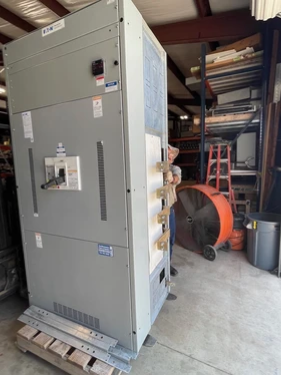
How Electrical Disconnect Buyers Assess Commercial Potential
There is no dependable universal rate per switch that accounts for every configuration. Manufacturer, series, ratings, mechanism, enclosure, completeness, condition, quantity, documentation, and demand all contribute to a purchasing review. Similar cabinet sizes do not establish similar value.
Original project cost is background information rather than a current offer. A specialized enclosure or operating arrangement may have a limited potential application elsewhere. Common configurations still require review because damage, missing components, and uncertain identification can affect their suitability.
Older equipment is not automatically valuable because it is discontinued. Some units may have a potential replacement audience, while others may have limited demand. Electrical disconnect buyers need exact identification and an honest description before assessing that possibility.
Recovery costs also matter. Installed equipment requiring coordinated removal presents different obligations from staged warehouse stock. Packaging, handling, loading access, freight, and deadlines can affect whether a transaction is practical and what terms may be proposed.
Plan Installed Equipment Releases Around Real Project Dates
Facility releases often involve several separate milestones. The decision to sell may come before the outage, while disconnection and loading occur later. Explain those dates individually so availability is not confused with the start of a purchasing inquiry.
State whether equipment remains connected, awaits qualified removal, has been disconnected, or is already staged. Existing photographs and records can support an initial review when direct access is restricted. Do not open energized equipment or defeat interlocks for sales documentation.
The facility and its qualified personnel remain responsible for electrical access and removal procedures. A purchasing discussion does not authorize disconnection or establish that removal services are included. Identify the contractor scope and any responsibilities still requiring agreement.
Preserve identification through dismantling. Reference numbers, labels, and matched hardware should remain associated with each device. Photograph the equipment after removal when possible so the purchasing contact can see its current condition rather than relying only on installed views.
Give Warehouse and Loading Details Early
Describe how the inventory is stored and what is required to collect it. Shelved units, palletized stock, and large floor-standing assemblies present different handling tasks. Include available dimensions and weights, clearly identifying estimates.
State whether the site has a dock, suitable handling resources, ground-level access, restricted hours, or appointment requirements. Confirm those details with the person managing the property rather than assuming equipment and staff will be available on collection day.
Protect handles, doors, terminals, and projecting components during storage. Qualified personnel should select handling and packaging methods suited to the actual equipment. Disclose damaged pallets or inadequate packaging before transportation arrangements are finalized.
Use Maintenance Records Without Overstating Their Scope
Existing inspection and maintenance documents can support a submission when they identify the offered equipment. Include the date, provider, equipment reference, and scope. Explain any later repairs, modifications, incidents, or storage exposure that may affect the record’s relevance.
A generic service sticker does not necessarily show what work was performed. Likewise, a report covering one device should not be used to characterize every unit in a mixed lot. Keep records matched to their actual equipment references.
Begin with information already available rather than arranging new testing on the assumption it is required. Additional inspection needs can be discussed during review. A purchasing evaluation does not certify equipment for a future installation or establish its suitability for a particular project.
The Electrical Disconnect Submission Process
Confirm Ownership and Sale Authority
Identify the owner and the person authorized to release the equipment. Separate retained operational stock, customer-owned material, consigned inventory, and assets subject to unresolved restrictions. Clear ownership and exclusions help avoid late changes after commercial discussions begin.
Present the Available Equipment
Send the main catalog groups, quantities, condition notes, photographs, and availability. Explain which units are complete and which require additional identification. Include your location and distinguish a decision deadline from a physical removal deadline.
Resolve Product and Scope Questions
Follow-up questions may concern markings, internal components, enclosure changes, known damage, or access. Keep answers connected to inventory references. If information cannot be verified, identify the uncertainty rather than using specifications from a similar-looking device.
Agree on Commercial Responsibilities
If purchasing interest develops, document the included equipment, exclusions, condition representations, inspection expectations, price, and payment terms. Confirm removal, packaging, staging, loading, freight, and timing before authorizing the equipment to leave the property.
Reconcile the Final Release
Compare the agreed list with the equipment prepared for collection. Separate sold items from retained stock and confirm the authorized site contact. Communicate changes in quantity, condition, or access before loading so both parties can address them against the agreement.
Contact Electrical Disconnect Buyers With Your Inventory Details
Your first submission can be straightforward: readable labels, current photographs, an equipment count, and an explanation of availability. Identify missing information honestly and keep the supporting records connected to the correct units. Those details provide a useful foundation for a purchasing discussion.
Texas Global Resources reviews qualified opportunities involving available disconnect equipment and related electrical surplus. Whether you are reconciling project purchases or preparing a facility release, explain the material and the result your business needs. Early communication leaves more time to resolve identification and logistics questions.
Call or text 713-385-1333 to discuss your equipment with electrical disconnect buyers, or submit disconnect photographs and specifications online.
Frequently Asked Questions About Electrical Disconnect Buyers
Can I Submit a Single Disconnect?
Yes. Provide its full identification, marked ratings, condition, completeness, location, and release timing. A single unit can be presented without assuming that a larger lot is necessary. Purchasing interest depends on the particular equipment and the practical recovery requirements.
Can Fusible and Non-Fusible Units Be Offered Together?
They can be included in one submission, but list each configuration separately. Group matching catalog numbers and identify ratings, enclosure details, condition, and included components. Do not combine unlike switches into a single description based on cabinet appearance or amperage alone.
Do Electrical Disconnect Buyers Review Previously Installed Equipment?
Previously installed units may be submitted with an accurate history. Explain why they were removed and disclose known damage, failures, alterations, or environmental exposure. Current photographs and relevant records help describe the available equipment without implying that prior operation proves present condition.
Can Discontinued Equipment Still Be Considered?
Discontinued units can be presented, but age and limited availability do not guarantee demand. Exact catalog information, completeness, condition, ratings, quantity, and current purchasing requirements remain important. Preserve labels and provide available documentation supporting the actual configuration.
Should I Remove Equipment Before Making Contact?
You can begin while equipment remains installed. Provide safely available identification, existing records, the proposed release schedule, and removal arrangements. Do not assume that an inquiry establishes a purchase or includes disconnection, removal, or transportation services.
Do I Need New Test Records for the Initial Review?
Start with existing records and disclose what is known about the equipment. Additional inspection requirements can be discussed during the review. Do not operate or energize a device for a preliminary sales demonstration, and leave any testing to qualified personnel.
What if Some Components Are Missing?
Identify missing parts directly and photograph the current assembly. Keep incomplete units separate from complete stock. Loose hardware should not be represented as a complete kit without verification. Purchasing suitability depends on the specific equipment and the significance of the missing components.
Is Collection Automatically Included?
No. Collection arrangements depend on the equipment, location, access, handling requirements, schedule, and agreement. Confirm who handles removal, packaging, staging, loading, and freight before release. A preliminary purchasing conversation does not establish responsibility for those activities.
What Information Makes the First Inquiry More Useful?
Provide manufacturer and catalog numbers, ratings, quantities, condition, current photographs, location, and release timing. Explain whether units are installed, stored, complete, or missing parts. These details help electrical disconnect buyers understand the available opportunity and ask focused follow-up questions.