
Factory Equipment Buyers for Production and Process Assets
Have qualified factory assets ready for sale? Call or text 713-385-1333 for a direct equipment and recovery review.
Factory equipment buyers provide manufacturers with a direct channel for presenting production machines, process equipment, material-handling assets, and plant-support systems that are no longer required. Texas Global Resources reviews qualified opportunities created by line upgrades, capacity changes, product discontinuation, facility consolidation, relocation, project completion, and plant closure. A productive inquiry identifies every asset, documents its current condition, confirms the seller’s authority, and explains the removal environment.
Factory assets cannot be evaluated accurately from a room-level description or a few distant photographs. Manufacturer, model, serial number, age, capacity, configuration, controls, power requirements, operating history, tooling, documentation, condition, market demand, location, and recovery expense can all affect purchasing interest. Each machine or process component needs its own record, even when the equipment operated as part of one line.
Begin with readable photographs of the original data plates and complete views from every accessible side. Include control panels, motors, drives, electrical cabinets, hydraulic systems, feed and discharge points, foundations, utility connections, guarding, tooling, accessories, and known damage. State whether the asset remains in production, can be demonstrated safely, was operational when disconnected, is stored after removal, is incomplete, or has not been tested.
Equipment Factory Equipment Buyers May Consider
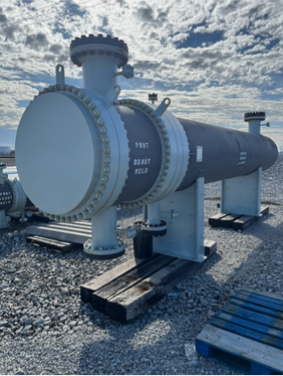
Potential opportunities may include heat exchangers, tanks, vessels, control valves, fabrication equipment, welding machines, generators, compressors, pumps, forklifts, access equipment, packaging systems, production machinery, and selected line-support assets. Purchasing requirements change according to specifications, condition, completeness, demand, location, and recovery complexity. A recognized manufacturer or high acquisition cost does not guarantee an offer.
Process and production equipment should be documented in its actual operating configuration. Identify included controls, skids, frames, feeders, conveyors, tooling, dies, molds, fixtures, motors, drives, pumps, transformers, chillers, dust collectors, platforms, and spare parts. If a component is shared with another line, leased, customer-owned, or reserved for continued use, clearly mark it as excluded.
Qualified factory equipment buyers need factual condition language. Useful descriptions include running in daily production, cycled during a scheduled demonstration, powered on but not operated under load, functional when disconnected, stored indoors after removal, incomplete, damaged, non-running, or condition unknown. Describe the precise observation rather than relying on phrases such as “excellent condition” or “should work.”
Process Equipment and Plant Systems
Heat exchangers, tanks, vessels, pumps, valves, and related systems need manufacturer data, materials of construction, dimensions, capacities, pressure and temperature ratings, connection details, former service, inspection history, and current storage conditions. Identify contamination, corrosion, erosion, lining damage, missing internals, repairs, and required cleaning or decontamination.
Production and Fabrication Machinery
Production machines require working dimensions, rated capacity, output, speed, cycle count, control platform, motor data, tooling, guarding, former application, and utility requirements. Provide available manuals, electrical drawings, programs, service records, and photographs showing the machine’s complete configuration.
Facility Support and Material Handling
Generators, compressors, welders, forklifts, scissor lifts, and similar support assets should include output or capacity, hours, power source, engine or battery information, inspection records, attachments, dimensions, weight, operating condition, and pickup access.
Factory Equipment Buyers for Tanks and Process Vessels
Releasing a tank or process vessel? Call 713-385-1333 with specifications, former service, inspection records, condition, and loading details.
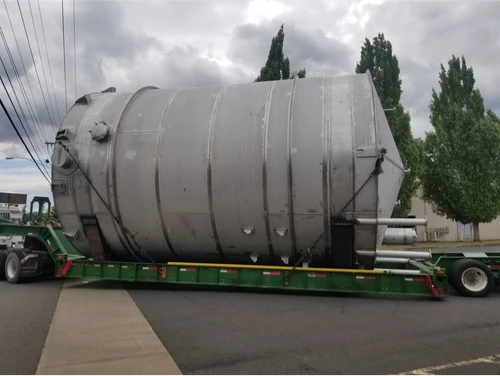
A vessel submission should identify the manufacturer, serial number, year, vessel type, orientation, nominal volume, shell diameter, overall length or height, materials of construction, empty weight, design pressure, design temperature, corrosion allowance, lining, insulation, agitation, jacket, coil, nozzles, manways, supports, and applicable code markings. Photograph the nameplate clearly and do not infer ratings from a similar vessel.
Former service is essential to evaluation and handling. Identify the product or process material, concentration, temperature, pressure, cleaning method, last operating date, and whether residues may remain. Supply available safety data, cleaning certificates, inspection reports, thickness readings, repair records, and alteration documentation. Do not describe equipment as clean or safe for entry without appropriate verification.
Photograph the shell, heads, seams, welds, nozzles, flanges, manways, supports, saddles, legs, ladders, platforms, agitator, drive, jacket, insulation, lining, and visible corrosion. Report dents, cracking, pitting, erosion, coating failure, missing internals, damaged nozzles, field modifications, previous repairs, and exposure to fire, freezing, flooding, or corrosive conditions.
When factory equipment buyers review large vessels, transportation feasibility is part of the commercial decision. Provide verified dimensions and weight, center-of-gravity information when available, current support method, crane access, overhead restrictions, building openings, route to the loading point, trailer access, permits, and removal deadline.
Why Plants Contact Factory Equipment Buyers
Factory assets become available after automation projects, production-line replacement, product changes, capacity reductions, contract completion, maintenance-strategy changes, corporate consolidation, relocation, or shutdown. A direct purchasing review gives decision-makers another option to compare with internal redeployment, dealer trade-in, auction, consignment, long-term storage, dismantling, or disposal.
Starting early helps preserve records and operating knowledge. Operators may understand recent performance, maintenance teams may hold repair history, engineering may control drawings and specifications, environmental personnel may know former process materials, accounting may approve asset release, and warehouse staff may know where tooling, keys, chargers, and spare parts are stored.
A structured inventory also protects the transaction scope. Assign a unique reference number to each asset and connect it to photographs, serial numbers, records, accessories, location, and release status. Separate company-owned equipment from leased, financed, rented, customer-owned, consigned, disputed, reserved, and active assets. Confirm the person authorized to approve a sale.
A plant may present one qualified asset or a coordinated group. Even during a complete shutdown, factory equipment buyers need machine-level information because specifications, condition, demand, ownership, contamination, and recovery requirements differ. Some equipment may qualify independently while other items do not match current purchasing needs.
Information Factory Equipment Buyers Need
Manufacturer, Model, Serial Number, and Year
Photograph original plates straight on in adequate light and record every character. Include component, control, engine, attachment, and code-stamp information when relevant. If identification is missing, damaged, painted over, altered, or unreadable, disclose that rather than borrowing information from another asset.
Capacity, Ratings, and Configuration
Provide rated capacity, working dimensions, speed, output, pressure, temperature, flow, horsepower, voltage, phase, frequency, amperage, or other relevant data from reliable records. Describe the actual factory configuration, including tooling, feed systems, controls, safety enclosures, skids, and auxiliary equipment.
Operating Hours, Cycles, and Former Use
Supply close photographs of hour meters, cycle counters, or control-screen totals. Explain replacement, resets, rollovers, inconsistencies, or uncertainty. Describe the material processed, shift pattern, duty cycle, operating environment, last production date, and reason for removal without exposing confidential customer information.
Controls, Software, and Power Requirements
Identify control manufacturer and series, operator interface, drives, installed programs, license or password limitations, incoming voltage, phase, full-load current, transformer needs, and known obsolete components. State whether programs, backups, dongles, manuals, and transferable licenses are included.
Operating and Physical Condition
Describe only functions that were observed: power-up, manual motion, automatic cycle, production under load, pressure, temperature, output, alarms, and shutdown. Disclose leaks, smoke, abnormal noise, overheating, vibration, corrosion, worn tooling, damaged structures, missing guards, bypassed devices, wiring modifications, and active fault codes.
Maintenance and Inspection Records
Useful records identify the equipment, service date, hours or cycles, work completed, parts installed, technician, test results, and unresolved recommendations. Include preventive-maintenance logs, repair invoices, calibration records, pressure inspections, oil analysis, and condition reports where available.
Ownership and Authority to Sell
Confirm ownership, lien status, title or registration requirements, and the authorized seller. Do not include leased, rented, financed, customer-owned, or disputed assets without written approval. Identify any lender release, landlord consent, environmental documentation, or internal authorization still required.
Factory Equipment Buyers for Valves and Flow-Control Assets
Have identified control valves available? Call or text 713-385-1333 with tag data, size, rating, materials, trim, actuator, former service, and condition.
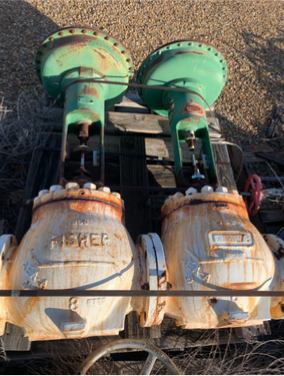
A control-valve record should include manufacturer, model or series, serial number, tag number, nominal size, pressure class, end connection, body material, trim material, flow characteristic, flow coefficient when documented, seat leakage class, packing, bonnet configuration, flow direction, and applicable temperature or pressure ratings.
Actuator and accessory information must be recorded separately. Identify actuator type, size, bench range or spring range, air supply, fail action, positioner, current-to-pressure device, solenoids, limit switches, boosters, filters, regulators, tubing, and mounting hardware. Photograph every plate and label so the body, actuator, and accessories can be matched correctly.
Former process service can affect usability, inspection, cleaning, and transportation. State the process material, concentration, temperature, pressure, last operating date, cleaning method, and known residue. Report erosion, corrosion, cavitation, flashing, stem leakage, seat leakage, packing problems, damaged flanges, seized components, missing accessories, and unverified repairs.
Do not apply shop air, pressure, heat, or force to a valve solely for a sales inquiry. Stored pressure, trapped product, actuator spring force, and hazardous residue may create serious risks. Qualified personnel should isolate, depressurize, drain, decontaminate, remove, test, and package process equipment under the facility’s procedures.
How Factory Equipment Buyers Evaluate Assets
Commercial review considers manufacturer, model, age, capacity, ratings, controls, configuration, completeness, tooling, hours or cycles, service history, condition, market demand, location, and recovery cost. There is no universal price per machine, pound, horsepower, tank gallon, or original purchase dollar that accounts for all these variables.
Book value and replacement cost are useful internal reference points, but neither automatically establishes a current offer. Specialized equipment can be expensive when new and still have a narrow secondary market. Standard assets may have broader demand while facing competition from dealer inventory, auctions, and newer models. Obsolete controls, unknown former service, missing tooling, incomplete guarding, or costly repairs can reduce purchasing interest.
Accurate disclosure supports an efficient decision. Provide diagnostic findings, repair estimates, parts availability, last operating date, storage environment, alarms, leaks, modifications, contamination concerns, and the reason the asset left service. Do not erase fault histories, hide leakage, reinstall borrowed components for photographs, or present assumptions as verified operation.
Completeness can affect both utility and removal. A machine may depend on a control cabinet, transformer, hydraulic power unit, coolant system, dust collector, conveyor, feeder, platform, tooling package, or software license. Identify each required component and state whether it is included, shared with another line, reserved, missing, or unavailable.
Technical Fit and Resale Demand
Potential value depends partly on whether another facility can use the equipment’s capacity, dimensions, controls, power, process, materials, and output. Standard configurations may be easier to place, while customized equipment requires stronger drawings, specifications, application details, and documentation.
Inspection Is Not Certification
A commercial inspection may verify identity, observed condition, completeness, and limited operation. It is not automatically a mechanical certification, safety certification, formal appraisal, calibration, pressure-vessel recertification, emissions verification, or guarantee of future performance.
Written Terms Protect the Sale
Before release, written terms should identify assets and serial numbers, included components, exclusions, represented condition, inspection, price, payment method, payment timing, taxes, title documents, decontamination, dismantling, rigging, loading, freight, insurance, deadlines, and cleanup.
Factory Equipment Buyers for Access and Maintenance Equipment
Releasing scissor lifts from maintenance service? Call 713-385-1333 with platform specifications, batteries, hours, inspection history, condition, and pickup access.
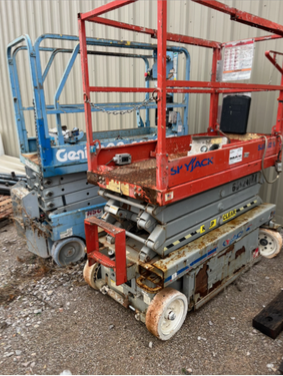
A scissor-lift submission should identify manufacturer, model, serial number, year, platform height, working height, platform capacity, deck dimensions, extension configuration, power source, drive type, tire type, recorded hours, stowed dimensions, and operating weight. For electric equipment, include battery voltage, battery age, charger manufacturer and model, charger input, and observed runtime.
Photograph the chassis, platform, rails, gate, extension deck, scissor stack, pins, cylinders, hoses, pothole-protection system, wheels, controls, emergency-lowering equipment, battery compartment, charger, and decals. Show bent rails, damaged controls, hydraulic leakage, corrosion, worn tires, missing labels, broken covers, previous welding, and structural damage.
Provide annual-inspection records, service logs, battery documents, repair invoices, and manufacturer campaign information when available. State whether inspections are current, expired, missing, or unknown. A recent inspection describes condition at a particular time and does not replace disclosure of faults that developed afterward.
When factory equipment buyers review access machinery, safe recovery information matters. Do not raise a questionable platform or bypass a protective system for photographs. If a lift is disabled, explain whether it can be steered, lowered, winched, forklifted, or otherwise prepared for loading, and provide its weight, stowed dimensions, doorway clearance, and route outside.
Removal Planning With Factory Equipment Buyers
Factory equipment value cannot be separated from the practical demands of removal. Provide the city and state, building location, operating status, machine dimensions, component weights, floor level, aisle and doorway clearances, dock access, floor and yard condition, overhead obstructions, utility connections, loading resources, work hours, security procedures, insurance requirements, and deadline.
Connected equipment may require electrical isolation, air and fluid disconnection, draining, cleaning, disassembly, match marking, blocking, crating, skidding, lifting, or specialized transportation. State what the facility will perform and what must be completed by outside contractors. Qualified personnel should establish lockout, utility isolation, lifting points, rigging capacity, and safe work practices.
Recovery responsibility should be defined before a transaction is finalized. The written scope should assign decontamination, preparation, disconnection, dismantling, rigging, loading, permits, freight, insurance, cleanup, and disposal of excluded material. Early access information helps prevent delays caused by inadequate doorways, unavailable cranes, weak pavement, or production restrictions.
Qualified factory assets across the United States may be considered when the transaction supports practical recovery. Distance alone does not decide feasibility. Asset value, quantity, dimensions, weight, disassembly, contamination, loading access, permits, route limits, schedule, and freight availability must be considered together.
The Process for Working With Factory Equipment Buyers
1. Separate Authorized Factory Assets
Confirm which equipment is truly available and exclude active, leased, rented, financed, customer-owned, consigned, disputed, or reserved assets. Identify the authorized decision-maker and collect ownership, title, lien, and release information.
2. Build an Asset-Level Inventory
Record manufacturer, model, serial number, year, hours or cycles, capacity, ratings, controls, power, configuration, tooling, condition, location, availability, and an internal reference number for each asset. Do not combine different machines into one vague line.
3. Take Complete Current Photographs
Capture every side, identification plates, meters, controls, working areas, motors or engines, electrical cabinets, hydraulic units, process connections, tooling, accessories, guards, and visible damage. Keep every image traceable to the correct asset.
4. Assemble Records and Disclosures
Gather manuals, drawings, programs, service history, repair invoices, test reports, inspection documents, cleaning records, and title information. Explain former use, last operation, storage, missing parts, defects, modifications, contamination concerns, and unknowns.
5. Describe Removal Conditions
Provide location, utility status, dimensions, weights, access route, floor level, rigging resources, dock or yard conditions, site rules, work hours, permits, insurance requirements, and the required removal date.
6. Request a Direct Review
Send the organized inventory and photographs through the Texas Global Resources contact page. Complete information helps determine whether the opportunity fits current purchasing and recovery requirements.
7. Confirm the Transaction
If purchasing interest exists, document equipment, serial numbers, included components, exclusions, condition, inspection, price, payment, title transfer, decontamination, dismantling, rigging, loading, freight, insurance, schedule, and cleanup before work begins.
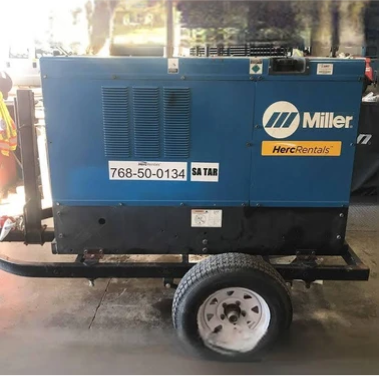
Factory Equipment Buyers for Welding and Repair-Shop Assets
Have an engine-driven welder available? Call or text 713-385-1333 with identification, output, hours, accessories, condition, and test status.
An engine-driven welding machine should be documented by manufacturer, model, serial number, year, engine model, fuel type, recorded hours, rated output, duty cycle, supported processes, auxiliary-power rating, control options, and trailer configuration. Photograph the equipment and engine plates, controls, meter, output connections, receptacles, enclosure, engine compartment, and all sides.
State separately whether the engine starts, auxiliary power was checked, and welding output was tested. If qualified personnel completed a test, provide the date, process, amperage range, duration, load, and observed result. Starting and idling the engine does not prove that the generator, controls, and welding output function through their rated ranges.
List welding leads, electrode holders, ground clamps, wire feeders, remotes, torches, regulators, carts, trailers, manuals, and spare parts. Verify cylinder ownership because gas containers may belong to a supplier. Show damaged cables, connectors, controls, missing panels, leaks, corrosion, warning codes, rodent damage, and previous repair.
Factory repair departments may have several visually similar units with different output, hours, options, and condition. Photograph and list each machine individually so accessories, service records, and trailer information remain connected to the correct serial number.
Questions for Factory Equipment Buyers
Can a Factory Submit One Asset?
Yes. One machine or process component may qualify when its identification, specifications, condition, documentation, location, and recovery requirements match current purchasing needs. Submit current photographs, ownership status, availability, and access details.
Can Disconnected or Non-Running Equipment Be Reviewed?
Some disconnected, non-running, or incomplete equipment may warrant review. Explain its last operating date, known failure, diagnosis, attempted repairs, missing components, storage environment, and the method required for safe removal.
Should a Facility Repair Equipment First?
Do not authorize major repairs solely for a preliminary inquiry. Submit the present condition, diagnostic reports, repair estimates, parts availability, and supporting records. Repair cost may exceed any increase in commercial value.
Can Entire Production Lines Be Submitted?
Yes, but every major asset and dependent component should be identified. Provide a line diagram or layout, machine-level inventory, electrical and utility requirements, tooling list, controls, production history, dimensions, weights, and dismantling needs.
Is an Operational Demonstration Required?
Demonstration requirements depend on the equipment, records, condition, location, and proposed transaction. If a safe production demonstration is possible, document the date and operating conditions. If the asset is disconnected or unsafe, report that accurately.
Can Rigging and Pickup Be Coordinated?
Recovery depends on value, location, dimensions, component weights, disassembly, access, rigging resources, permits, schedule, and freight. Written terms must define who prepares, disconnects, rigs, loads, transports, and restores the work area.
What Helps Produce a Faster Review?
A machine-level spreadsheet, readable plates, current photographs, accurate condition notes, technical specifications, maintenance history, proof of ownership, release date, and complete site information provide the strongest starting point.
Contact Texas Global Resources About Factory Equipment Buyers
Factory assets are easiest to evaluate while experienced employees, data plates, service records, drawings, programs, tooling, keys, accessories, and test information remain connected to the correct equipment. Businesses working with factory equipment buyers should document each asset before it is disconnected, dismantled, moved into storage, mixed with other inventory, or exposed to outdoor conditions.
Texas Global Resources reviews qualified opportunities according to manufacturer, model, serial number, age, hours or cycles, specifications, configuration, controls, tooling, condition, maintenance history, ownership, market demand, location, schedule, access, and recovery requirements. Commercial review is not mechanical certification, formal appraisal, repair service, operator training, rigging engineering, or safety certification.
To contact factory equipment buyers, provide manufacturer, model, serial number, year, hours or cycles, capacity, ratings, power requirements, dimensions, weight, operating condition, known deficiencies, included components, photographs, records, city and state, removal conditions, and desired timeline.
Call or text 713-385-1333 to speak with factory equipment buyers, or submit qualified factory equipment online.