
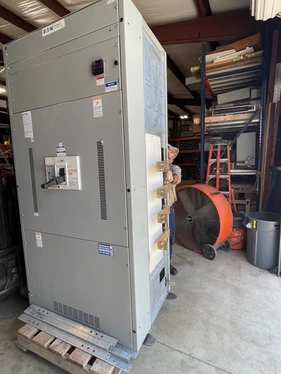
Who Buys Used Switchgear From Commercial and Industrial Facilities?
Have an identified switchgear lineup ready for review? Call or text Texas Global Resources at 713-385-1333.
Companies asking who buys used switchgear need more than a generic recycling outlet. Texas Global Resources reviews qualified low-voltage and medium-voltage switchgear offered by verified owners, including electrical contractors, distributors, manufacturers, commercial property operators, industrial facilities, project managers, and organizations managing upgrades, shutdowns, consolidations, or decommissioning work. Purchasing interest depends on the exact equipment, its condition, documentation, location, and current demand.
Used switchgear is a coordinated electrical assembly, not a single interchangeable product. A meaningful review begins with the manufacturer, product family, voltage class, bus rating, main-device rating, short-circuit rating, enclosure type, lineup arrangement, section count, breaker configuration, protective relays, controls, and accessories. Photographs of the actual equipment and its nameplates are essential. A distant picture of closed cabinets does not provide enough evidence to identify what is available.
The best time to request a review is before drawings, breakers, relays, keys, racking tools, and spare parts become separated from the lineup. Early documentation also helps the seller define what is included, identify equipment that must remain on site, plan safe disconnection, and compare recovery options before demolition or disposal deadlines narrow the choices.
Who Buys Used Switchgear by Type, Rating, and Configuration?
A buyer may consider metal-enclosed switchgear, metal-clad switchgear, low-voltage power switchgear, selected medium-voltage lineups, fused equipment, draw-out breaker sections, main-tie-main arrangements, distribution sections, and matching spare breakers or control components. Review is equipment-specific. Age alone does not establish demand, and a recognized manufacturer name does not guarantee an offer.
When researching who buys used switchgear, distinguish switchgear from switchboards, panelboards, motor control centers, transfer equipment, and standalone breakers. These categories can appear similar in incomplete photographs, yet they have different construction, ratings, protection, applications, and removal requirements. Use the original manufacturer designation whenever it remains legible, and do not rename equipment simply to make an inventory sound more marketable.
Low-Voltage Switchgear
For low-voltage equipment, record nominal voltage, phase, frequency, bus amperage, short-circuit rating, main and feeder breaker frames, trip units, sensor or rating-plug information, control power, enclosure type, and section lineup. Identify whether breakers are draw-out or fixed mounted and whether the original cells, shutters, secondary disconnects, and racking hardware remain complete.
Medium-Voltage Switchgear
For medium-voltage assemblies, provide the rated maximum voltage, continuous current, interrupting or short-time ratings, insulation level, breaker type, control voltage, protective relays, current and potential transformers, grounding arrangement, arc-resistant designation if documented, and indoor or outdoor construction. Never infer an arc-resistant rating or other safety classification from appearance.
Complete Lineups and Individual Sections
A complete lineup may be easier to understand when the seller supplies a one-line diagram, front elevation, section schedule, bill of material, and photographs in left-to-right order. If only selected sections are available, identify the exact boundaries and explain what has been removed. Cutting bus, separating sections, or disconnecting control wiring before review can affect completeness and removal planning.
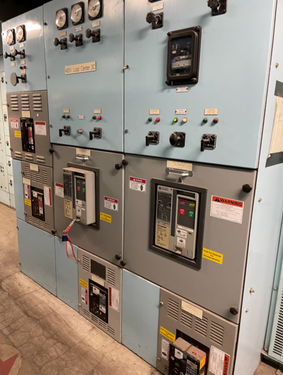
Who Buys Used Switchgear as Complete Lineups?
Send the lineup schedule, nameplates, one-line diagram, and current photographs, or call 713-385-1333 to discuss the opportunity.
Sellers looking for who buys used switchgear should document the entire lineup before it is dismantled. Start with a wide image showing every section, then photograph each door, breaker, relay, meter, instrument compartment, cable compartment, bus area that can be viewed safely, and manufacturer label. Number the sections from left to right and use those same references in the inventory and drawings.
Record the main, tie, and feeder arrangement. For each device, list manufacturer, series, frame, continuous-current rating, trip-unit model, settings only when accurately documented, control voltage, mounting type, and circuit designation. Note empty cells, blank sections, missing breakers, modified doors, added relays, aftermarket components, and field wiring. If labels conflict with drawings, report the conflict instead of choosing the more favorable description.
Documentation can materially improve the quality of a review. Useful records include approved submittals, as-built one-lines, elementary diagrams, wiring diagrams, relay-setting files, coordination studies, acceptance reports, maintenance records, infrared inspection findings, breaker test reports, and a history of repairs or modifications. Records should be tied to the correct lineup, section, and serial or order number.
State whether the equipment remains energized, is scheduled for shutdown, or has already been disconnected. No photograph, test, or identification task should place anyone inside an energized enclosure or across an electrical boundary. Qualified personnel must control de-energization, verification, lockout/tagout, grounding where applicable, and all electrical work.
Information to Provide When Asking Who Buys Used Switchgear
Manufacturer and Order Identification
Copy the manufacturer, product line, catalog or style designation, lineup or order number, serial number, date code, and section identifiers exactly as shown. Photograph each label straight on in clear light. Disclose labels that are missing, painted over, damaged, altered, or unreadable. Do not substitute a model found on a similar online photograph.
Electrical Ratings and Bus Details
Record voltage, phase, frequency, continuous-current or bus rating, short-circuit rating, interrupting rating where shown, withstand values, control voltage, and enclosure classification. Identify copper or aluminum bus only when documentation or safe visual evidence confirms it. Do not scrape, drill, or expose energized components to determine bus material.
Section and Device Inventory
Create one line for every section and installed device. Include mains, ties, feeders, fused switches, breakers, relays, meters, controls, current transformers, potential transformers, ground sensors, communication modules, heaters, fans, and spare equipment. Note quantities and exact locations rather than describing the lineup as “complete” without support.
Condition and Operating History
State whether the switchgear was operating when removed, de-energized but untested, stored after removal, or affected by a known event. Provide the last operating date, removal reason, maintenance history, testing, repairs, modifications, storage environment, and known exposure to faults, arc events, overheating, fire, smoke, water, chemicals, dust, pests, or corrosion.
Ownership and Release Authority
Confirm the legal owner and the person authorized to sell. Separate leased, financed, consigned, customer-owned, insurer-controlled, disputed, recalled, or reserved assets. For facility closures, identify any landlord, lender, bankruptcy, insurance, or environmental requirements that affect release.
Site Access and Schedule
Provide city and state, building location, floor level, route to grade, doorway dimensions, loading access, dock availability, forklift or crane conditions, site hours, insurance rules, safety orientation, removal window, shutdown status, and deadline. Photographs of the travel path can reveal obstacles that equipment-only images miss.
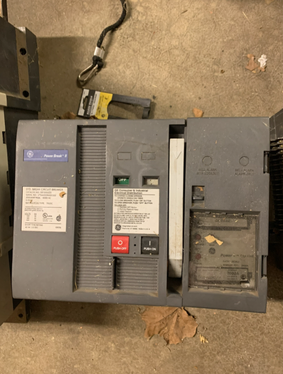
Who Buys Used Switchgear With Large-Frame Breakers?
Have draw-out breakers and matching cells? Call or text 713-385-1333 with frame, trip-unit, cradle, control-voltage, and condition details.
The breakers often represent a critical part of a used switchgear review. Document each breaker separately, even when several appear identical. Record the manufacturer, series, frame rating, sensor or rating plug, continuous-current rating, voltage, interrupting rating, trip-unit model, firmware or communication information when relevant, control voltage, and installed accessories.
Photograph the front, sides, rear, primary disconnects, secondary contacts, racking mechanism, wheels, rails, arc chutes where safely accessible, trip unit, rating plug, accessory compartments, and labels. Identify the matching cell or cradle and state whether racking handles, lifting devices, test cabinets, charging handles, extension rails, and spare parts are included.
Organizations deciding who buys used switchgear should disclose breaker condition precisely. “Working when removed” means the seller has credible knowledge of operation before de-energization; it does not certify time-current performance, insulation integrity, contact resistance, or safe future service. If breakers have not received qualified post-removal testing, describe them as used and untested.
Supply test reports when available. Reports should identify the specific breaker by serial number and show the date, provider, procedure, readings, repairs, replaced components, and unresolved findings. Manual charging, opening, closing, or a continuity check alone does not establish full electrical performance.
How a Used Switchgear Purchasing Review Works
1. Build an Accurate Equipment Record
List the lineup, sections, breakers, relays, controls, spares, ratings, condition, and location. Keep original terminology from the nameplates and drawings. Separate confirmed facts from assumptions and identify anything that still requires verification.
2. Send Current Photographs and Documents
Provide overview images, section-by-section photographs, readable labels, device details, known defects, and supporting drawings or reports. Use file names or inventory numbers that connect every image to its equipment record.
3. Describe the Project and Deadline
Explain why the equipment is available, whether it remains installed, the shutdown date, the removal deadline, site restrictions, and whether the seller needs purchasing only or coordinated removal. Early notice allows practical questions to be resolved before a narrow outage window.
4. Receive an Equipment-Specific Review
Texas Global Resources can compare qualified information with current purchasing requirements. Review may consider manufacturer, series, ratings, configuration, completeness, condition, documentation, quantity, location, labor, freight, schedule, and resale demand. Not every submission will fit current purchasing needs.
5. Confirm Written Terms
If there is purchasing interest, written terms should identify the exact assets, included components, exclusions, represented condition, inspection rights, price, payment timing, taxes, ownership transfer, disconnection, rigging, loading, freight, schedule, site responsibilities, and remedies for material discrepancies.
6. Coordinate Safe Release
Confirm cleared payment through established business channels and verify the carrier or removal team before release. Qualified personnel must perform electrical isolation and disconnection. The site and removal parties should agree on access, personal protective equipment, lift plans, floor protection, debris, and restoration responsibilities.
What Affects the Value of Used Switchgear?
The answer to who buys used switchgear is closely tied to marketability. Manufacturer support, product family, ratings, available breakers, protection system, configuration, completeness, condition, documentation, quantity, location, removal cost, and current demand all affect whether an acquisition is practical. Replacement cost or original purchase price does not automatically equal current recovery value.
Complete and accurately identified equipment generally creates fewer unknowns than mixed sections without drawings, labels, or matching breakers. However, completeness should never be assumed. A lineup can look intact while lacking trip units, relays, control power components, bus links, shutters, secondary disconnects, or critical hardware.
Condition claims must be supportable. Cleaning dust from an enclosure is not reconditioning. Painting over corrosion does not repair damage. A breaker that mechanically opens and closes has not necessarily passed electrical testing. Sellers should provide facts, records, and clear photographs rather than broad statements such as “excellent” or “like new.”
Factors That Can Reduce Purchasing Interest
Missing or unreadable nameplates, severe corrosion, water intrusion, fire or smoke exposure, known arc damage, cracked insulation, stripped wiring, cut bus, missing breakers, incomplete sections, uncontrolled outdoor storage, undocumented modifications, counterfeit components, disputed ownership, and an impractical removal window can reduce or eliminate interest. Disclosure allows these conditions to be evaluated directly.
Commercial Review Is Not Certification
A purchasing review may assess identification, visible condition, records, logistics, and market fit. It is not an engineering approval, code determination, formal appraisal, safety certification, warranty, or recommendation that the equipment be energized or installed. Future application decisions belong to qualified professionals working from applicable requirements and verified equipment data.
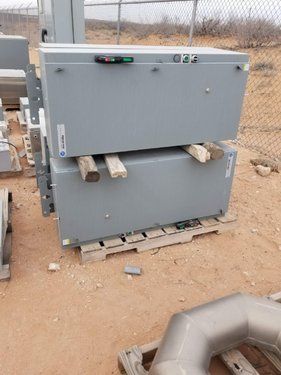
Who Buys Used Switchgear With Associated Transformers?
Have a switchgear lineup and transformer from the same project? Call 713-385-1333 and identify each asset separately.
A transformer located beside switchgear should not be assumed to be part of the same sale. Inventory it as a separate asset and state clearly whether it is included, excluded, or available under separate terms. Provide transformer manufacturer, serial number, kVA, primary and secondary voltage, phase, frequency, impedance, winding material when documented, temperature rise, cooling class, fluid type if applicable, taps, enclosure, weight, and accessories.
Explain the electrical relationship using the one-line diagram when available, but do not promise that two assets are a matched package merely because they served the same facility. Ratings, protection, grounding, impedance, cable, and application requirements must be evaluated independently by qualified professionals.
Businesses asking who buys used switchgear as part of a substation or power-distribution project should give each transformer, lineup, breaker, and accessory a separate inventory number. This prevents pricing, loading, and ownership confusion if one component is retained or if removal occurs on different dates.
For oil-filled transformers, disclose leaks, staining, repairs, fluid sampling, environmental records, and any site handling requirements. Do not drain, sample, open, or move a transformer without the appropriate personnel, procedures, equipment, and authorization.
Planning Removal Without Damaging Recoverable Switchgear
Removal planning should begin with equipment dimensions, estimated weights, center of gravity, section connections, bus joints, control wiring, conduit, cable terminations, anchorage, access path, door openings, floor loading, stairs, elevators, dock conditions, and lifting resources. Manufacturer drawings may provide useful information, but field conditions still require verification.
Before separation, photograph every section joint, bus link, splice plate, control plug, wire marker, interlock, and hardware group that can be accessed safely. Label parts by lineup and section. Bag and tag bolts, barriers, bus hardware, shutters, relays, keys, and tools rather than combining everything into an unidentified container.
Do not cut bus or structural members merely to accelerate removal before the recovery plan is agreed. If field conditions require separation beyond factory shipping splits, document the proposed cuts and responsibilities. Protect exposed conductors, insulators, breaker cells, doors, meters, and relays from impact and weather during movement.
When comparing companies that answer who buys used switchgear, clarify whether the proposal covers equipment purchase only or also disconnection, rigging, packaging, loading, transportation, and site restoration. A higher gross number may not produce the best result if responsibilities, deductions, or schedule risks are undefined.
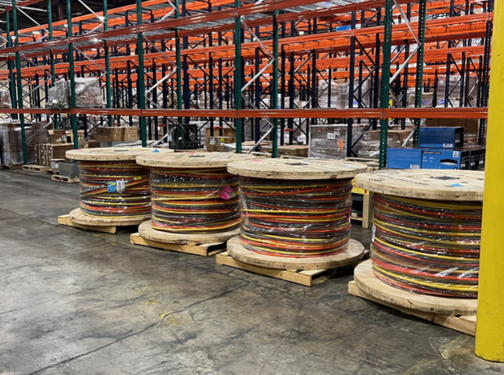
Who Buys Used Switchgear With Feeder Cable?
Inventory the switchgear and cable separately, then call or text 713-385-1333 for a direct review.
Cable associated with a switchgear project may represent a separate recovery opportunity, but it should not be blended into the lineup description. For each reel or coil, record manufacturer, conductor metal, conductor size, conductor count, voltage rating, insulation and jacket type, shield or armor construction, date code, printed footage markers, estimated remaining length, reel condition, storage history, and whether the material is new surplus or removed from service.
Do not estimate cable solely from reel diameter. Use factory footage markers, purchase records, measured runs, or another documented method and identify the method used. Photograph reel tags, jacket printing, both reel flanges, exposed ends, weather protection, and visible damage. State whether ends were sealed and whether reels were stored indoors, covered outdoors, or exposed.
Someone searching who buys used switchgear may have breakers, transformers, bus duct, cable, relays, and spares available from the same shutdown. Create separate inventory categories and explain the relationship without treating unrelated assets as one lot. Clear grouping allows the buyer to evaluate each category on its own facts.
Frequently Asked Questions About Who Buys Used Switchgear
Can Switchgear Still Installed in a Facility Be Reviewed?
Yes, qualified installed equipment may be reviewed when the owner can provide safe exterior photographs, nameplate data, drawings, condition history, planned shutdown timing, removal scope, and site-access details. No one should open or enter energized equipment for a sales inquiry.
Can Used and Untested Switchgear Be Submitted?
Some used and untested equipment may warrant review. Describe the last known operation, removal reason, fault exposure, maintenance, repairs, storage, missing components, and damage. Do not represent untested equipment as certified, reconditioned, or ready for service.
Does Older or Obsolete Switchgear Have Value?
Some older product families retain demand for complete lineups, breakers, cells, relays, or spares, while others may not fit current purchasing needs. Exact identification, condition, completeness, documentation, location, and demand matter more than the word “obsolete” alone.
Should the Lineup Be Dismantled Before Requesting a Review?
Usually, document it first. Premature dismantling can separate matching parts, destroy evidence of configuration, damage bus and controls, and make removal history harder to verify. If a deadline requires immediate work, photograph, label, and inventory every section and component before separation.
Are Individual Sections or Spare Breakers Considered?
Selected sections, spare breakers, trip units, relays, racking tools, and other components may qualify depending on their exact identification, compatibility, condition, quantity, and demand. List these items separately and show their relationship to the lineup.
Can Equipment From Anywhere in the United States Be Submitted?
Qualified opportunities in the United States may be considered. Provide the city and state, equipment list, photographs, dimensions, weights, packaging status, loading access, site requirements, release dates, and removal deadline so logistics can be evaluated.
What Helps Produce a Faster Response?
A section-by-section inventory, readable nameplates, one-line diagrams, breaker details, current photographs, honest condition notes, test and maintenance records, ownership confirmation, location, access information, and a realistic schedule provide the strongest starting point.
Contact Texas Global Resources: Who Buys Used Switchgear?
If your organization is deciding who buys used switchgear, preserve the evidence that makes the equipment understandable. Photograph the lineup before disconnection, retain drawings and reports, identify every section and breaker, disclose known condition issues, confirm ownership, and document the removal environment.
Texas Global Resources reviews qualified used switchgear opportunities according to manufacturer, product family, ratings, configuration, completeness, breakers, protection, condition, documentation, ownership, location, logistics, schedule, and current purchasing requirements. No universal offer can be promised without reviewing the actual assets.
To answer who buys used switchgear for your specific project, prepare the manufacturer, lineup number, voltage, bus rating, short-circuit rating, section schedule, breaker inventory, drawings, photographs, condition, city and state, access details, and release date. Submit the package through the Texas Global Resources contact page so the opportunity can be assessed efficiently.
Call or text 713-385-1333 to discuss who buys used switchgear and request a direct equipment review.