
How Much Is Used Electrical Equipment Worth to a Commercial Buyer?
Have identified electrical equipment ready for review? Call or text Texas Global Resources at 713-385-1333.
When a facility asks how much is used electrical equipment worth, the honest answer begins with identification rather than a universal price list. Manufacturer, catalog number, ratings, configuration, condition, quantity, documentation, location, current demand, and recovery costs can all change the commercial value. Texas Global Resources reviews qualified electrical equipment offered by verified owners, including contractors, distributors, manufacturers, commercial facilities, industrial plants, project managers, and organizations managing upgrades, shutdowns, warehouse reductions, or decommissioning work.
Two items that look similar can have very different applications and marketability. A breaker’s frame, trip unit, voltage, interrupting rating, and mounting type matter. A transformer’s kVA, voltages, impedance, cooling method, winding material when documented, and condition matter. A switchgear lineup’s bus rating, section arrangement, breakers, relays, short-circuit rating, and completeness matter. Accurate equipment data is the foundation of any useful purchasing review.
Commercial value is also different from original cost, replacement cost, insurance value, book value, scrap value, or a formal appraisal. A buyer must consider whether the exact equipment can be identified, transported, handled, inspected, stored, and matched to current demand. The most productive first step is to organize the assets before labels, drawings, accessories, test reports, and knowledgeable personnel become separated from them.
How Much Is Used Electrical Equipment Worth by Equipment Category?
Potentially marketable inventory may include circuit breakers, switchgear, switchboards, panelboards, transformers, motor control centers, starters, contactors, safety switches, disconnects, busway, bus plugs, electrical wire and cable, generators, transfer equipment, and selected control components. Each category requires its own data. Combining everything under “electrical surplus” makes a fast estimate tempting but less reliable.
Businesses evaluating how much is used electrical equipment worth should separate equipment by exact category, manufacturer, product family, catalog number, ratings, condition, and location. New unused project surplus should not be mixed with installed equipment, untested removals, professionally reconditioned units, incomplete items, or damaged material. Different condition groups need different evidence and descriptions.
Circuit Breakers
Breaker value may be influenced by manufacturer, series, frame, trip or sensor rating, pole count, voltage, interrupting capacity, mounting, trip-unit model, control voltage, accessories, cradle or cell, test records, quantity, and condition. Similar case sizes and handle markings do not establish interchangeability.
Switchgear and Switchboards
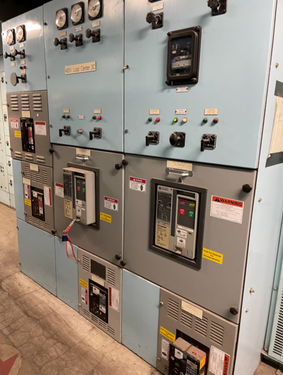
Lineup value may depend on voltage class, bus rating and material when documented, short-circuit rating, section count, main-tie-feeder arrangement, installed devices, relay package, metering, drawings, modifications, completeness, condition, and the ability to separate and transport the sections without destructive work.
Transformers
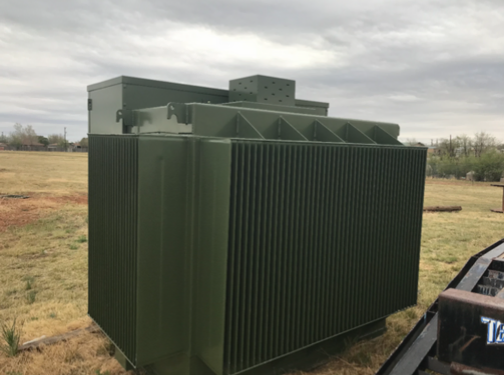
Transformer review may consider kVA, primary and secondary voltage, phase, frequency, impedance, winding material when confirmed, cooling class, temperature rise, insulation system, fluid type where applicable, taps, enclosure, accessories, testing, environmental documentation, weight, and removal needs.
Wire, Cable, and Busway
Cable information may include conductor metal, size, conductor count, voltage rating, insulation, jacket, shield or armor, manufacturer, date code, verified length, reel condition, and storage history. Busway and bus plugs require manufacturer, family, ampere rating, voltage, configuration, length, plug details, and condition.
Generators and Transfer Equipment
Generator review may depend on manufacturer, model, serial number, fuel type, kW and kVA ratings, voltage configuration, phase, frequency, hours, engine data, enclosure, controller, breaker, maintenance, load testing, emissions information, accessories, and site logistics. Transfer switches should be inventoried separately.
Information Needed Before Electrical Equipment Can Be Valued
Exact Manufacturer Identification
Copy every manufacturer, model, catalog number, style number, serial number, date code, product family, and revision exactly as printed. Photograph labels straight on in clear light. Report labels that are missing, painted over, altered, damaged, or unreadable. Never identify an asset from a similar online photograph when the actual label is available.
Complete Electrical Ratings
Record the ratings that apply to the category: amperage, voltage, phase, frequency, interrupting or short-circuit rating, kVA or kW, impedance, poles, trip rating, bus rating, control voltage, enclosure type, and protection features. Do not infer ratings from dimensions, conductor size, former application, or another unit nearby.
Accurate Quantity and Configuration
List quantities by exact catalog number and condition group. For assembled equipment, identify sections, installed breakers, relays, meters, starters, buckets, switches, fuses, controls, and empty spaces. State whether accessories, hardware, spares, manuals, and tools are included or offered separately.
Current Condition
Describe equipment as new unused, installed but never energized, used and operating when removed, used and untested, professionally reconditioned with records, incomplete, damaged, or parts-only. Disclose corrosion, water exposure, fire or smoke, overheating, arc events, cracked insulation, broken terminals, cut wiring, missing components, impact, contamination, and unauthorized modifications.
Documents and Service History
Provide purchase records, submittals, one-line diagrams, factory sheets, maintenance logs, repair invoices, test reports, coordination studies, relay files, fluid reports, load-test results, and photographs taken before removal when available. Connect each record to the correct serial number or inventory reference.
Location and Recovery Requirements
Provide city and state, building location, floor level, dimensions, weight, access path, doorway clearances, dock or crane conditions, loading resources, site rules, insurance requirements, electrical status, removal deadline, and available pickup dates. Recovery cost can materially affect a purchasing decision.
How Much Is Used Electrical Equipment Worth When It Includes Transformers?
Send the transformer nameplate, condition, test history, weight, and pickup details, or call 713-385-1333.
A transformer should be evaluated as a serial-numbered asset, not merely by size or appearance. Record manufacturer, serial number, manufacturing date, kVA, primary and secondary voltage, phase, frequency, impedance, tap range, cooling class, temperature rise, enclosure, dimensions, and total weight. Identify copper or aluminum windings only when nameplates, submittals, purchase records, or reliable manufacturer documents confirm the material.
For liquid-filled units, identify the insulating fluid exactly as documented. Provide fluid quantity, sampling history, dissolved gas analysis when available, dielectric results, maintenance, leak history, gasket repairs, pressure events, temperature concerns, and environmental records. Do not promise that a transformer contains no regulated substance without evidence.
Someone asking how much is used electrical equipment worth may overvalue a transformer based on replacement pricing while overlooking rigging, crane reach, fluid handling, road restrictions, site access, and freight. Commercial review considers the complete recovery situation. A valuable specification can still present an impractical transaction if the equipment cannot be safely released within the available schedule.
State whether the transformer remains energized, is installed but de-energized, has been disconnected, is stored indoors, is stored outdoors, or is already loaded. Qualified personnel must control de-energization, verification, lockout/tagout, grounding where applicable, disconnection, and movement. A sales inquiry never justifies opening energized compartments or performing improvised testing.
What Raises the Commercial Value of Used Electrical Equipment?
The strongest opportunities tend to have clear identification, useful ratings, current demand, honest condition information, complete accessories, credible history, organized records, practical loading access, and an authorized seller. These factors reduce uncertainty and help a buyer understand what is actually being offered.
Readable Nameplates and Matching Records
A readable nameplate connected to current photographs and matching documentation is more useful than a typed list with no evidence. Serial numbers, catalog numbers, and inventory references should remain consistent across photographs, spreadsheets, test reports, pallet labels, and transaction documents.
Complete Assemblies
Switchgear with matching breakers, cells, relays, drawings, racking tools, and hardware may present fewer unknowns than stripped cabinets. A transformer with intact accessories and reliable reports may be easier to evaluate than an unidentified unit. Completeness must be documented rather than assumed.
Credible Testing and Maintenance
Qualified reports can support condition history when they identify the exact equipment, provider, date, method, readings, repairs, and unresolved findings. A visual inspection, manual operation, continuity check, cleaning, or fresh paint does not equal comprehensive electrical testing or reconditioning.
Safe, Practical Access
Equipment at grade level with verified weights, a clear travel path, suitable loading conditions, and a realistic schedule may be less costly to recover than identical equipment in a basement, on a roof, behind active systems, or subject to a narrow outage window.
Organized Quantities
A line-by-line inventory enables a buyer to evaluate the marketable items without spending time separating unrelated or unidentified material. Group only genuinely identical assets and keep new, used, untested, reconditioned, incomplete, and damaged items in distinct categories.
What Can Reduce Used Electrical Equipment Value?
The question how much is used electrical equipment worth must also account for conditions that increase uncertainty or recovery cost. Missing labels, mixed lots, water damage, severe corrosion, fire or arc exposure, cut bus, broken insulators, stripped controls, missing trip units, incomplete assemblies, uncontrolled storage, and undocumented modifications can reduce or eliminate purchasing interest.
Ownership problems also matter. Active, leased, financed, consigned, customer-owned, insurer-controlled, disputed, recalled, counterfeit, or reserved assets should not be offered until authorization and disclosure are resolved. A buyer needs confidence that the seller has the legal right to transfer the equipment.
Unrealistic schedules can affect feasibility. If equipment must be removed overnight, before it is safely de-energized, without verified lifting data, or through an unexamined route, the risk may outweigh the recovery opportunity. Starting before demolition preserves more options and allows responsibilities to be defined.
Commercial Value Is Not Scrap Weight
A commercial buyer may evaluate reusable equipment according to identity, specifications, condition, demand, and logistics. A recycler may focus primarily on recoverable material. Sellers should compare offers carefully and confirm whether pricing covers complete equipment, selected components, or commodity weight after deductions.
Commercial Review Is Not a Formal Appraisal
A purchasing review helps determine whether equipment fits current acquisition needs and on what commercial terms. It is not an appraisal for tax, insurance, litigation, financing, accounting, or estate purposes. Those uses may require a qualified independent appraiser and a defined valuation date and standard.
How Much Is Used Electrical Equipment Worth When It Includes Breakers?
Have identified molded-case, insulated-case, or draw-out breakers? Call or text 713-385-1333 with ratings and condition.
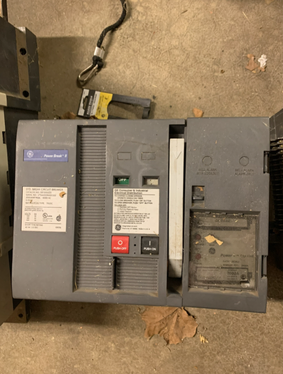
Breaker evaluation begins with the manufacturer, series, catalog or style number, frame rating, continuous-current rating, sensor or rating plug, pole count, voltage, interrupting rating, trip-unit model, mounting type, control voltage, and accessories. A front photograph alone may not show terminals, stabs, secondary contacts, rear connections, cradle compatibility, or hidden damage.
Photograph the front, sides, back, labels, trip unit, terminals, primary disconnects, secondary contacts, racking mechanism, arc chutes where safely accessible, accessory compartments, and mounting hardware. Identify matching cradles, cells, racking handles, lifting devices, extension rails, motor operators, shunt trips, undervoltage releases, and spare trip units separately.
Businesses deciding how much is used electrical equipment worth should avoid using a single assumed price per breaker or per ampere. Catalog-specific demand, configuration, condition, test history, quantity, completeness, and shipping all matter. Two breakers with the same frame size can have different trip systems, interrupting capacities, mounting, and applications.
“Working when removed” is useful history only when someone with direct knowledge can support it. It does not certify insulation integrity, contact resistance, time-current performance, or safe future operation. If no qualified post-removal testing exists, identify the breaker as used and untested and disclose known fault exposure or damage.
How Texas Global Resources Reviews a Qualified Opportunity
1. Inventory the Assets
Create a separate record for each serial-numbered item or genuinely identical catalog group. List manufacturer, model, ratings, quantity, condition, accessories, location, and ownership. Separate active equipment and assets not approved for release.
2. Photograph Identification and Condition
Capture full views, readable labels, connections, accessories, packaging, storage environment, and defects. Name files with the same reference used in the inventory so the photographs cannot be confused with another unit.
3. Attach Relevant Records
Add drawings, submittals, test reports, maintenance logs, repair history, fluid reports, load testing, purchase records, and manufacturer documents. Mark records that describe the product family but do not apply to the exact serial-numbered asset.
4. Explain Why the Equipment Is Available
State whether availability results from an upgrade, project excess, canceled order, facility closure, standardization, spare reduction, diagnostic finding, or another reason. Include last operating status, removal date, storage history, and deadline.
5. Define Removal and Loading Conditions
Provide dimensions, weights, floor level, route, dock access, forklift or crane conditions, shutdown status, site requirements, available labor, packaging, pickup window, and transportation constraints. Photographs of the travel path can prevent misunderstandings.
6. Request a Purchasing Review
Send the package through the Texas Global Resources contact page. The information can then be compared with current purchasing requirements. Not every submission will fit current demand, and no value should be promised before the actual equipment is reviewed.
7. Confirm Written Terms Before Release
If purchasing interest exists, written terms should identify the exact assets, included components, exclusions, represented condition, inspection rights, price, payment timing, taxes, ownership transfer, disconnection, rigging, loading, freight, schedule, site responsibilities, and treatment of discrepancies.
How Much Is Used Electrical Equipment Worth When It Includes Wire and Cable?
Have surplus cable on identified reels? Call 713-385-1333 with conductor, rating, length, and storage details.
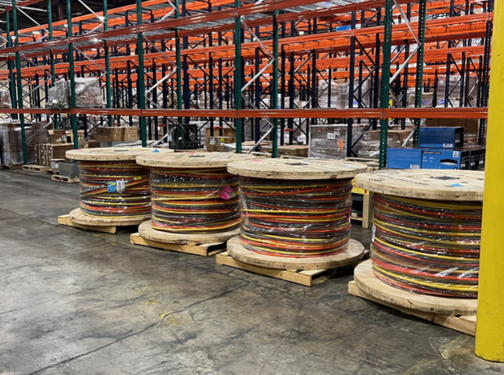
Cable value requires more than an estimated reel weight. Record manufacturer, conductor metal, conductor size, conductor count, voltage rating, insulation type, jacket, shield, armor, date code, reel number, factory footage, remaining length, condition, and storage history. Photograph reel tags, jacket printing, both flanges, exposed ends, protective covering, and visible damage.
Use printed footage markers, purchase records, measured runs, or another documented method to establish length, and state the method. Do not estimate remaining footage only from the outside diameter of the wound cable. Similar-looking reels can contain different conductor sizes, constructions, and lengths.
When asking how much is used electrical equipment worth for a mixed project, inventory cable independently from switchgear, breakers, transformers, and generators. New surplus cable on protected factory reels presents different evidence from pulled cable, short remnants, mixed coils, weathered material, or commodity scrap.
Disclose open ends, moisture, damaged jackets, crushed reels, missing tags, field cuts, splices, contamination, and outdoor exposure. Do not unwind, cut, strip, or move heavy reels solely to obtain a preliminary review. Safe handling and accurate documentation come first.
Comparing Offers for Used Electrical Equipment
A meaningful comparison uses the same accurate inventory, condition description, documents, location, and schedule for each qualified party. Changing quantities, concealing defects, or offering equipment that has not been authorized for release makes proposals difficult to compare and can disrupt the transaction.
Determine whether an offer is for all assets or selected line items. Confirm whether the price includes disconnection, rigging, packaging, loading, transportation, fluid handling, disposal of excluded material, and site restoration. Identify deductions, inspection conditions, payment timing, and responsibility if field conditions differ from the submitted information.
The practical answer to how much is used electrical equipment worth is the net commercial result under clear terms, not merely the largest headline number. Schedule certainty, safe execution, defined responsibilities, confirmed payment, and a realistic removal plan all influence the outcome.
Verify Payment and Pickup Instructions
Confirm cleared payment through established business channels and verify the identity of the carrier or removal team. Do not release assets based only on an emailed payment image, unexplained overpayment, request to forward money, or an unverified last-minute change in collection instructions.
Keep an Accurate Release Record
Use serial numbers, catalog numbers, quantities, packing lists, photographs, signed releases, and carrier information to document what left the facility. Record exclusions and retained assets so nearby equipment is not removed by mistake.
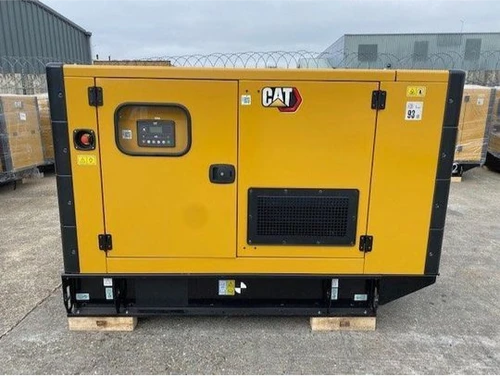
How Much Is Used Electrical Equipment Worth When It Includes Generators?
Have a packaged generator or transfer equipment available? Call or text 713-385-1333 with the complete equipment record.
Generator evaluation begins with manufacturer, model, serial number, production date, fuel, standby and prime ratings, kW, kVA, voltage, phase, frequency, power factor, engine manufacturer and model, hours, controller, breaker, enclosure, tank, radiator, battery system, heaters, charger, muffler, and included transfer equipment.
Provide service history, oil and coolant records, battery age, fault logs, controller photographs, latest exercise date, load-bank results, repairs, emissions information, and known operating concerns. A low hour reading should be documented and does not replace maintenance or testing evidence.
Anyone calculating how much is used electrical equipment worth for generation equipment must consider removal conditions. State whether fuel remains in the system, whether the unit is permanently connected, how it is anchored, its weight and dimensions, crane access, enclosure clearances, exhaust configuration, tank status, and local site requirements.
Frequently Asked: How Much Is Used Electrical Equipment Worth?
Can a Value Be Determined From Photographs Alone?
Photographs are important, but they work best with exact nameplate data, quantities, condition, records, location, ownership, and logistics. A preliminary review may identify missing information, while final terms can depend on inspection and verification.
Does New Old Stock Always Have the Highest Value?
No. Original packaging, purchase records, storage history, intact seals, current demand, and exact catalog information matter. A box does not prove that the equipment is new, unused, complete, or correctly packaged.
Does Working Equipment Automatically Qualify?
No. Operating history is only one factor. Ratings, product family, condition, documentation, market demand, location, removal cost, and legal ownership all affect purchasing interest.
Should Equipment Be Repaired Before Submission?
Do not authorize major repairs solely for a preliminary review. Submit current condition, diagnostic findings, estimates, and existing records first. Undocumented work can create uncertainty instead of increasing value.
Can One Item Be Submitted?
One qualified item may warrant review when its identity, specifications, condition, documentation, location, and demand support an opportunity. Provide the full nameplate and current photographs.
Can Equipment Anywhere in the United States Be Reviewed?
Qualified opportunities across the United States may be considered. Provide city and state, equipment details, quantity, dimensions, weight, packaging, access, loading resources, release date, and removal deadline.
What Produces a Faster Review?
An itemized spreadsheet, readable labels, current photographs, exact ratings, honest condition groups, test and maintenance records, ownership confirmation, location, access details, and a realistic schedule provide the strongest starting point.
Request a Review: How Much Is Used Electrical Equipment Worth?
For a useful answer to how much is used electrical equipment worth, preserve the evidence that connects each asset to its specification and history. Photograph equipment before dismantling, retain drawings and reports, identify accessories, disclose defects, confirm ownership, and document access before a rushed removal changes the opportunity.
Texas Global Resources reviews qualified equipment according to manufacturer, catalog number, ratings, configuration, quantity, condition, documentation, ownership, current demand, location, freight, labor, schedule, and recovery requirements. A purchasing review is not a formal appraisal, engineering approval, code determination, safety certification, warranty, or installation recommendation.
To determine how much is used electrical equipment worth for your specific inventory, prepare the manufacturer, model, serial or catalog number, ratings, quantity, condition, photographs, test history, city and state, dimensions, weight, access, and release date. Clear information supports a faster and more commercially meaningful response.
Call or text 713-385-1333 to ask how much is used electrical equipment worth, or request an equipment review online.