
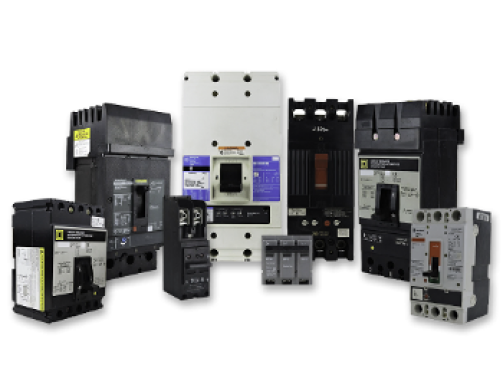
Bus Plug Buyers for Industrial Electrical Equipment
Call or text 713-385-1333 to submit qualified bus plugs, tap boxes, and related busway equipment for review.
Bus plug buyers give verified businesses a direct way to present surplus, unused, used, and obsolete busway plug-in units for commercial evaluation. Texas Global Resources reviews qualified opportunities from industrial plants, distribution facilities, commercial properties, electrical contractors, distributors, construction companies, project owners, and organizations managing upgrades, relocations, closures, or excess electrical inventory across the United States.
A useful submission must identify the bus plug as a complete device intended for a specific busway family. Manufacturer, series, amp rating, voltage, phase, wires, short-circuit rating, protective-device type, plug-in jaw configuration, enclosure, operator, interlocks, condition, quantity, documentation, and location can affect purchasing interest. Bus plug buyers need clear labels and photographs of every accessible side.
Texas Global Resources provides commercial equipment purchasing, not electrical engineering, installation, testing certification, energization, code approval, or arc-flash analysis. Busway systems and plug-in units can contain hazardous voltage, stored energy, heavy components, and exposed connection points. Only qualified personnel should access energized areas, remove bus plugs, open equipment, operate disconnects, or prepare units for transportation.
What Bus Plug Buyers May Review
Potential opportunities can include fusible bus plugs, circuit-breaker bus plugs, plug-in units, tap boxes, end cable tap boxes, busway disconnect units, and compatible accessories when the exact manufacturer and product family are known. Individual units and larger matching inventories may qualify depending on current demand, completeness, condition, ratings, and recovery requirements.
A complete bus plug should retain its enclosure, cover, operating handle, internal breaker or fusible switch, fuse provisions when applicable, plug-in jaws or stabs, grounding components, interlocks, mounting hardware, labels, and barriers. Missing pieces should be identified plainly. Bus plug buyers cannot assume that absent jaws, covers, mechanisms, or mounting parts will be supplied later.
Condition categories must be factual. State whether a unit is new surplus, unused project stock, installed but never energized, operational when removed, tested after removal, reconditioned, stored, damaged, incomplete, or condition unknown. Avoid unsupported claims such as fully working. Current images and traceable records are more credible than broad condition language.
Current and discontinued bus plug families may both receive consideration. Newer equipment can support active construction and expansion needs, while older series may be useful to facilities maintaining installed busway. Obsolete status alone does not guarantee demand. Exact compatibility, useful ratings, complete mechanisms, condition, quantity, and recovery cost all matter.
Circuit-Breaker Bus Plugs
For breaker-equipped units, record the bus plug catalog number and the installed breaker’s manufacturer, family, frame rating, trip rating, pole count, interrupting rating, and trip-unit model. Show the operating mechanism and internal device without opening energized equipment. State whether the breaker is original, replaced, tested, or condition unknown.
Fusible Bus Plugs
For fusible units, document the amp rating, voltage, fuse class, pole count, switch mechanism, fuse clips, handle, interlock, and included fuses. Fuses should be inventoried separately from the plug enclosure when quantities differ. Never operate or load a disconnect solely to prepare a purchasing inquiry.
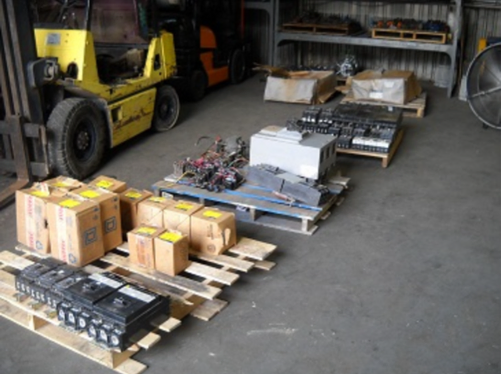
Bus Plug Buyers for Warehouse Inventory
Have multiple bus plugs in storage? Call 713-385-1333 with catalog numbers, quantities, and the pickup location.
Warehouse submissions should separate bus plugs from unrelated breakers, panels, controls, wire, and industrial material. Create one inventory group for each exact manufacturer, busway series, amp rating, voltage, protective-device configuration, and condition category. Wide photographs establish quantity, while closeups verify labels, jaws, operators, and enclosures.
Similar-looking plug-in units may not be compatible. Different generations can use different jaw spacing, housing dimensions, phase orientation, grounding arrangements, interlocks, and mounting hardware. Do not combine units based on color or cabinet shape. Bus plug buyers require exact manufacturer and series information for every group.
Packaging offers context but does not prove equipment condition. A factory carton may have been opened, damaged, reused, or paired with the wrong unit. Match package labels to device labels and disclose moisture stains, crushing, missing seals, or unverified contents. Photograph the actual bus plug whenever it can be done safely.
Store units so jaws, stabs, handles, hinges, and enclosures are protected from impact. Keep heavy plugs on suitable pallets or shelving and avoid stacking weight onto operating mechanisms. State whether loading equipment, a dock, ground-level access, or pickup appointments are available without overstating warehouse capacity.
Why Companies Contact Bus Plug Buyers
Bus plugs become surplus after production changes, busway replacements, facility expansions, voltage conversions, tenant improvements, project cancellations, or building closures. Maintenance departments may also release duplicate spares after a site standardizes on another busway family. Explaining why equipment is available provides important context about its history.
Early review helps preserve compatibility information. Once labels fade or units are separated from their busway documentation, an owner may have difficulty confirming the exact family. Plug-in jaws, covers, mounting hardware, and operating parts can also be damaged or lost during repeated moves. Bus plug buyers can assess inventory more efficiently while equipment remains organized.
A structured submission helps internal teams coordinate. Engineering may know the busway series, maintenance may have operating history, purchasing may retain submittals, accounting may authorize release, and warehouse staff may manage loading. One shared inventory reduces conflicting quantities and prevents active spares from being included accidentally.
No purchasing service can guarantee an offer for every unit. Limited series demand, damaged jaws, missing covers, incomplete mechanisms, unusual ratings, uncertain ownership, restricted access, or high recovery cost can affect feasibility. Commercial terms should follow review of the actual devices rather than an estimate based on amp rating or scrap weight.
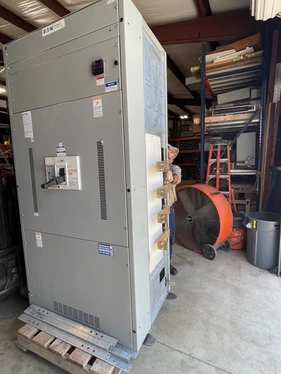
Bus Plug Buyers Need Exact Busway Compatibility
Call 713-385-1333 with the bus plug label, busway series, jaw photographs, and equipment location.
Begin with the complete bus plug nameplate. Capture manufacturer, product family, catalog number, manufacturing date when shown, voltage, phase, wires, amp rating, short-circuit rating, enclosure designation, protective-device information, and any busway compatibility markings. Photograph the label straight on and close enough for every character to remain readable.
Next, document the connection side without touching conductive parts or opening energized equipment. Show the jaw or stab arrangement, grounding connection, mounting hooks, guides, interlocks, rear housing, and visible damage. Qualified personnel should determine whether the plug can be safely removed or repositioned for photography.
The matching busway label can strengthen identification. When available, provide the bus duct manufacturer, series, voltage, amp rating, and configuration from the installed run. Do not claim compatibility because a plug appears to align with an opening. Bus plug buyers need manufacturer-supported identification, not a visual guess.
Field modifications should be disclosed. Replaced breakers, altered handles, changed fuse clips, drilled enclosures, repaired hinges, modified interlocks, non-factory wiring, or substituted jaws can affect a purchasing decision. Current photographs should distinguish factory construction from later repairs or changes.
Information Bus Plug Buyers Need
Manufacturer and Product Series
Provide the exact manufacturer, bus plug family, catalog number, and compatible busway series. If a character is unreadable, mark it as uncertain instead of copying information from a similar unit.
Electrical Ratings
Record voltage, phase, wires, amp rating, short-circuit rating, protective-device type, breaker frame and trip rating, or fuse class when applicable. Use equipment labels as the primary source.
Jaw and Mounting Configuration
Photograph the plug-in connections, grounding provisions, mounting hooks, guides, operator, enclosure, and interlocks. Show bent, burned, corroded, missing, or altered components clearly.
Condition and History
Describe whether each unit is unused, installed, removed, tested, repaired, stored, damaged, incomplete, or condition unknown. Include former application, last known status, removal reason, storage duration, and known electrical or environmental incidents.
Quantity and Location
Provide exact quantities by catalog number, city and state, packaging, dimensions, approximate or documented weight, access conditions, loading resources, and the required decision or removal date. These details help bus plug buyers assess commercial and logistical feasibility.

Bus Plug Buyers for Facility Upgrades and Closures
Planning a busway replacement, production change, or facility shutdown? Call 713-385-1333 before equipment is removed.
Facility projects may operate within strict outage windows and clearance deadlines. Submit inventory early enough for identification and logistics review. State whether plugs remain installed on energized busway, are scheduled for qualified removal, have been disconnected, or are already staged. Never approach or remove an energized plug-in unit for sales documentation.
The facility remains responsible for its electrical safety program. A purchasing inquiry does not authorize live work, defeated interlocks, opened energized enclosures, or access to restricted electrical areas. Existing qualified personnel must determine safe documentation, disconnection, removal, rigging, and handling methods.
Preserve the relationship between each plug and its installed location before removal. Number devices, record busway run identifiers, photograph labels, and retain drawings or schedules. If equipment is removed in groups, keep matching mounting hardware and protective covers with the correct units.
Explain why each device is being retired. Equipment released during a planned upgrade has a different history from a plug involved in overheating, an arc event, water exposure, fire, or mechanical damage. Disclose known incidents and provide relevant maintenance or test records. Bus plug buyers need accurate history to assess condition.
Define separate dates for review, seller approval, outage, removal, staging, loading, and final site clearance. State contractor requirements, security procedures, insurance rules, work hours, and available loading resources. Responsibilities for electrical work, packaging, pickup, and freight must be confirmed in writing.
How Bus Plug Buyers Evaluate Equipment
There is no universal price per amp, breaker, plug, or pound that accurately values every bus plug. Evaluation considers manufacturer, series, ratings, protective-device configuration, jaw design, age, condition, completeness, documentation, quantity, demand, location, schedule, and recovery cost. Similar amp ratings do not make two product families interchangeable.
Original project cost is not the same as current resale value. A specialized plug may have limited application outside one busway family, while a common and complete unit may support broader replacement needs. Common equipment can still have limited potential when jaws are damaged, components are missing, or identification is uncertain.
Testing records may support condition review when they identify the specific unit, date, provider, procedures, and results. A generic sticker or verbal statement may not establish performance. Do not energize or operate a bus plug solely for an initial inquiry; submit existing records and current condition information first.
Logistics influence commercial feasibility. Unit weight, installed height, lift access, outage requirements, qualified removal, packaging, loading, freight distance, site delays, and contractor rules can affect an offer. Any agreement should clearly assign responsibility for removal and transportation.
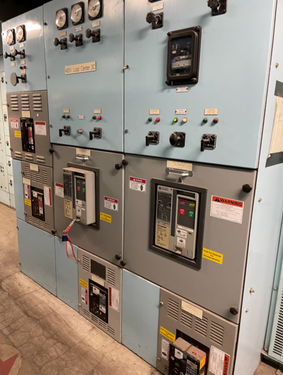
Bus Plug Buyers for Coordinated Distribution Inventory
Have bus plugs with related distribution equipment? Call 713-385-1333 with separate inventories for each equipment category.
A facility release may include bus plugs alongside busway sections, switchboards, panels, breakers, and controls. Keep the public-facing submission centered on bus plugs by listing each plug first with its own ratings and photographs. Related equipment can be identified separately without replacing the exact topic of the page.
Coordinated inventories should distinguish installed devices, loose spares, and unverified parts. State which busway run each plug served and whether the matching bus duct remains available. Do not imply that unrelated distribution equipment is part of a compatible system without documentation.
Accessories should be matched carefully. Mounting hooks, hardware, covers, operators, fuse parts, breaker mechanisms, and labeling should remain with the correct plug. Use durable inventory tags that survive warehouse handling and correspond to the submitted list and image filenames.
One authorized contact should understand ownership, technical information, site access, loading conditions, payment requirements, and deadlines. Centralized communication reduces quantity conflicts and helps the purchasing team identify retained equipment or excluded assets before terms are prepared.
The Bus Plug Submission Process
Confirm Ownership
Verify that the organization owns the equipment or has written authority to release it. Exclude leased, financed, utility-owned, customer-owned, consigned, disputed, reserved, and still-operational assets.
Create a Catalog-Level Inventory
List manufacturer, series, catalog number, ratings, protective device, jaw configuration, condition, quantity, and included accessories. Pair each group with current photographs.
Describe Removal and Access
Provide the city and state, installation or storage status, access conditions, lifting needs, loading resources, site rules, decision date, and removal deadline.
Request a Commercial Review
Use the Texas Global Resources contact page to send the inventory and photographs. Complete information helps bus plug buyers determine whether equipment aligns with current purchasing requirements.
Confirm the Final Scope
If purchasing interest exists, document included units, excluded equipment, condition representations, inspection expectations, price, payment, qualified removal, packaging, loading, freight, and deadlines before equipment is released.
Frequently Asked Questions About Bus Plug Buyers
Can One Bus Plug Be Submitted?
A single unit may qualify when its exact identity, ratings, compatibility, condition, location, and recovery requirements justify review. Provide labels and photographs of every accessible side.
Can Obsolete Bus Plugs Be Considered?
Some discontinued units support installed busway systems, but age does not guarantee demand. Exact series compatibility, jaw condition, completeness, ratings, and quantity matter.
Are Bus Plugs With Missing Breakers or Fuses Accepted?
Incomplete units may have limited potential depending on the enclosure, mechanism, jaws, available parts, and series demand. Identify every missing component and do not present the unit as complete.
Should a Bus Plug Be Tested Before Submission?
Do not arrange unnecessary testing for a preliminary review. Submit existing records and disclose current status. Qualified personnel must perform any electrical testing under appropriate safety procedures.
Can Pickup Be Included?
Pickup feasibility depends on equipment value, quantity, location, weight, access, loading resources, schedule, and site requirements. All responsibilities must be confirmed in writing.
Are Nationwide Opportunities Reviewed?
Texas Global Resources evaluates qualified electrical equipment across the United States. Include the city and state, quantity, access conditions, and removal date so recovery costs can be considered.
Contact Bus Plug Buyers
Bus plug inventory is easier to evaluate while labels, jaws, protective devices, covers, hardware, records, and knowledgeable personnel remain connected to the equipment. Document exact compatibility, disclose missing or damaged parts, confirm ownership, and explain recovery access before removal or disposal.
Texas Global Resources evaluates qualified opportunities according to manufacturer, series, ratings, protective-device configuration, condition, completeness, documentation, quantity, demand, location, schedule, and recovery requirements. The objective is a direct commercial purchasing discussion with verified equipment owners.
To reach bus plug buyers, provide manufacturer, series, catalog number, voltage, phase, amp rating, short-circuit rating, breaker or fuse information, jaw photographs, condition, quantity, dimensions, city and state, access details, and desired timeline.
Call or text 713-385-1333 to contact bus plug buyers, or submit your bus plug inventory online.