
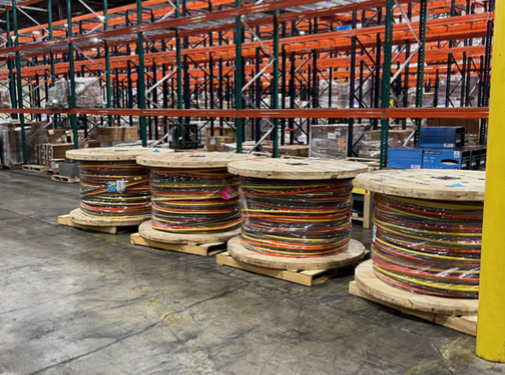
Copper Wire Buyers for Surplus Reels and Project Inventory
Make your available wire easier to evaluate. Call or text 713-385-1333 with your specifications, quantities, and sale timeline.
A warehouse reel left after a cancelled installation represents money tied up in material that no longer has an assigned project. When electrical plans change, contractors finish a job, or facilities reduce stored inventory, Texas Global Resources provides a contact point for owners seeking copper wire buyers. The process begins with identifying the available product and establishing whether it fits current purchasing requirements.
Your submission might involve unopened factory reels, partial reels, unused coils, documented cut lengths, or conductors scheduled for removal. These categories should be described separately. A continuous length of identifiable material presents a different opportunity from mixed remnants, even when their combined footage appears similar.
Begin with readable product markings, recent photographs, approximate quantities, and an explanation of ownership. Include the material’s current location and your desired release date. You can call 713-385-1333 or send an inventory summary through the contact page to request a commercial review.
What Copper Wire Buyers Need to Identify
The term copper wire covers products with different sizes, constructions, insulation systems, and intended applications. Identifying the conductor metal is only the beginning. A useful review also considers the manufacturer, printed product designation, conductor size, number of conductors, available length, condition, and supporting documentation.
Photograph a readable portion of the printed or embossed product legend. Include enough of the marking to capture its complete description rather than an isolated size or voltage statement. Where available, provide matching reel tags, purchase records, and original product information.
Do not substitute assumptions for missing specifications. Jacket color, outside diameter, or the equipment previously connected to a conductor may provide context, but they do not establish its complete identity. Mark unknown information clearly so copper wire buyers can distinguish verified details from estimates.
For general technical background, Wikipedia discusses copper conductors and their electrical applications. A purchasing submission should concentrate on the particular inventory you own, including its markings, quantities, storage history, and availability.
Unused Building Wire and Feeder Conductors
Unused building wire and feeder conductors should be grouped by their actual specifications. Record the marked size, insulation designation, voltage rating, color, manufacturer, and continuous length. Keep different sizes and product types on separate inventory lines even when they were purchased for the same project.
Explain why the stock became available. Over-ordering, a cancelled installation, or a design revision provides useful context. If the material was rejected because of damage or a technical issue, disclose that reason rather than describing it simply as leftover inventory.
Bare Copper and Insulated Products
List bare copper separately from insulated wire. For bare material, include documented size, construction, quantity, and visible condition. For insulated products, preserve the complete product designation and describe the condition of the insulation as well as any accessible conductor ends.
Do not remove insulation merely to prepare an inquiry. It can contain important identification and may be part of the product’s potential usefulness. Submit the inventory in its existing condition and discuss any additional verification before changing or cutting it.
Specialty and Multiconductor Inventory
Control, instrumentation, flexible power, and other specialty products require their own descriptions. Include conductor count, marked size, shielding or armor information, jacket designation, and any available manufacturer documentation. Avoid combining these products under a single general description.
If a product includes several construction layers, describe only what can be confirmed. Photographs of accessible markings and existing product sheets can support the review. Copper wire buyers need accurate identification rather than a broad claim that all industrial cable is interchangeable.
Build a Clear Inventory for Copper Wire Buyers
Assign a reference number to every reel, coil, or group of matching lengths. Use that number on the inventory sheet and in the related photographs. This simple approach helps connect the specifications with the actual material and prevents confusion when several similar reels share a storage area.
Your initial list does not need to be elaborate. A spreadsheet or clearly organized document is sufficient when it separates products and identifies uncertainties. Include the information you can verify, then indicate which records or measurements are still being gathered.
- Product identity: Manufacturer, printed designation, reel tag, and available catalog information.
- Conductor details: Documented copper construction, size, stranding, and conductor count.
- Insulation and jacket: Exact markings, visible condition, and any identified shielding or armor.
- Quantity: Continuous footage, number of separate lengths, reel count, and estimation method.
- History: Unused, previously pulled, previously operated, removed, or unknown status.
- Availability: Release date, ownership authorization, access, and loading arrangements.
Keep the list current while the material is under review. If another department reserves a reel or a contractor removes part of the lot, update the quantities promptly. An accurate smaller inventory is more useful than a larger list that includes material no longer available for sale.
Continuous Length Matters More Than a Combined Footage Figure
A total footage number can hide important differences. One reel containing a continuous length is not the same inventory as a reel holding several separate pieces. Report the number of individual lengths whenever known and avoid suggesting that disconnected sections form one uninterrupted run.
Sequential footage markings can help support a length calculation when the relevant beginning and ending marks are accessible. Photograph those marks and explain the calculation. If the markings cannot be checked, describe the source of the estimate instead of presenting an unsupported exact figure.
Purchase records may establish original quantities without proving the amount remaining. Likewise, a project drawing may describe a planned route without confirming the recoverable length after installation and removal. Copper wire buyers need the available quantity and the basis for that quantity clearly distinguished.
Weight-based estimates also require context. Gross reel weight includes the reel and potentially packaging, moisture, or other material. State whether a weight is measured or estimated and whether a reliable tare weight is available. Transparent assumptions make the submission easier to evaluate.
Partial Reels
A partial reel can be submitted when its product identity and remaining quantity can be described. Include photographs of the wire marking, reel tag, visible layers, and accessible ends. Explain whether previous cuts or withdrawals were recorded.
If more than one piece is wound on the reel, disclose that arrangement. Do not rely on the original tag alone to establish remaining footage. The relationship between the tag and the current contents should be supported by photographs or reliable records.
Coils and Documented Cut Lengths
For coils and cut lengths, record each length separately or group only genuinely matching pieces. Include the measurement method and any known splices, damaged ends, or trimming requirements. Keep identification attached to the correct group during storage and handling.
Short pieces may require a different commercial assessment from longer identifiable lengths. Present them accurately and let the review establish whether the material fits current needs. Avoid changing the inventory through further cutting before that discussion takes place.
Describe Condition With Facts That Support a Review
Statements such as excellent condition do not explain how wire has been used or stored. Describe whether the material is factory-packaged, opened but unused, previously pulled, previously energized, removed from service, or of unknown history. Include relevant dates when those records are available.
Document visible jacket damage, abrasion, sharp bends, crushed areas, exposed conductors, contamination, or damaged packaging. Identify affected reels individually instead of applying a single condition description to an entire warehouse lot. Clear exceptions help copper wire buyers understand which parts need closer attention.
Storage history should include whether material remained indoors, under cover, or exposed to weather. Disclose known moisture, sunlight, chemical exposure, and deterioration of reel components. An intact outer jacket or clean packaging does not independently establish the internal condition of the conductor.
Existing inspection or test records can be helpful when they identify the material being offered. Provide the actual scope and date rather than describing every item as tested because one report exists. Keep unsupported performance claims out of the submission.
Keep Product Identification Connected With the Material
Warehouse organization can affect how confidently an inventory is reviewed. Reel tags may become detached, packaging may be reused, and records may remain with the original project team. Match documents to the actual wire markings wherever possible rather than assuming nearby paperwork belongs to a particular reel.
Photograph tags before they become unreadable and record the inventory reference alongside them. Preserve manufacturer labels and printed legends. Avoid cleaning methods that could remove identification or affect the insulation simply to improve the appearance of a sales photograph.
Document known discrepancies. A tag that differs from the visible wire legend should be flagged for review, not quietly accepted as correct. If a specification cannot be resolved, explain the conflicting information and provide photographs of both sources.
Why Businesses Contact Copper Wire Buyers
Project closeouts often leave material that is useful but no longer assigned to a job. A revised specification can make purchased stock unnecessary, while a cancelled expansion may leave reels occupying space intended for active inventory. A purchasing review gives an authorized owner another disposition option to consider.
For facility managers, the challenge may involve conductors becoming available during equipment replacement or a scheduled closure. Early documentation can preserve identification before material is cut, moved, or mixed with unrelated inventory. That timing can make the opportunity easier to describe.
Distributors and contractors may also need to reconcile slow-moving stock with current work. Separate genuine surplus from inventory still reserved for customers or ongoing projects. Copper wire buyers need a reliable release decision so the material discussed remains available if commercial terms are agreed.
When a project includes additional electrical assets, maintain separate lists. You can review the electrical surplus purchasing information for a broader submission while keeping copper wire specifications, footage, and condition clearly organized.
How Copper Wire Buyers Consider Commercial Potential
Purchasing interest depends on the actual product and the practical circumstances of the sale. Conductor specifications, continuous footage, quantity, condition, documentation, demand, and recovery costs all contribute to the review. A single rate per reel cannot account for those differences.
Reusable identified inventory and mixed recovery material should not automatically be treated as the same category. The presence of copper does not establish that a product is suitable for another electrical installation. Likewise, original acquisition cost does not determine a current purchasing offer.
Explain your priorities alongside the inventory details. You may need to release warehouse space, meet a project deadline, or consider a complete-lot transaction. Those goals help frame the conversation, but final scope and terms should follow the equipment review.
If an offer is proposed, confirm what it includes. Document the listed reels, represented footage, condition, inspection expectations, price, payment arrangements, and any exclusions. Establish how discrepancies will be addressed before material is loaded or released.
Provide Reel Dimensions and Loading Information Early
Wire specifications describe the product, while reel dimensions and handling details describe the recovery task. Record flange diameter, overall width, and available gross weight information. Explain whether those figures were measured, obtained from records, or estimated.
Photograph visible reel damage, including deteriorated wood, distorted flanges, loose components, or damaged support areas. State whether the reel can remain with the material and whether it is owned, returnable, or subject to another party’s rights.
Describe the storage position and available access. Ground-level material near a loading area presents different conditions from reels in racks or behind active inventory. Mention dock access, suitable loading resources, site hours, appointment requirements, and any restrictions affecting collection.
Qualified personnel should determine handling methods for the actual load. A preliminary purchasing discussion does not confirm that a particular forklift, trailer, or lifting arrangement is suitable. Agree on responsibilities for packaging, staging, loading, and transportation before scheduling collection.
Document Installed Conductors Before Their Identity Is Lost
For installed material, gather existing cable schedules, accessible markings, and project records before removal begins. Explain whether conductors remain connected, await a scheduled outage, have been disconnected, or are already staged. These differences affect availability and the information that can safely be obtained.
Estimated route length and usable recovered footage may differ. Terminations, inaccessible sections, damage, splices, and trimming can affect the available continuous length. State the basis of the estimate and identify what will remain uncertain until qualified removal is complete.
Electrical isolation, disconnection, pulling, and cutting belong with qualified personnel operating under facility procedures. Do not open energized equipment or enter restricted areas for sales photographs. Existing documentation can support an initial discussion without creating unnecessary access requirements.
The Purchasing Review Process
Confirm Ownership and Release Authority
Identify the organization that owns the wire and the person authorized to approve its sale. Separate customer-owned, consigned, leased, reserved, or disputed material. Confirm reel ownership independently when returnable packaging or supplier-owned equipment may be involved.
Submit Specifications and Photographs
Send a product-level inventory with readable markings, quantities, condition descriptions, and recent images. Include your timeline and explain whether material is installed or stored. Indicate which measurements are verified and which remain estimates.
Answer Follow-Up Questions
Additional questions may concern continuous footage, construction details, reel condition, or access. Keep responses tied to inventory references so information stays consistent. Update the purchasing contact if quantities or availability change during the review.
Agree on Scope and Responsibilities
If the inventory fits current purchasing requirements, confirm the commercial terms and equipment list. Document payment, inspection, measurement expectations, removal, loading, transportation, and release timing. Clear responsibilities help prevent assumptions from becoming collection-day problems.
Contact Copper Wire Buyers About Your Available Stock
A productive inquiry starts with an honest inventory, not a perfect presentation. Gather the markings you can read, photograph the available material, and explain the condition and timing. Identify missing information clearly so the discussion can focus on the questions that matter.
Texas Global Resources reviews qualified opportunities involving surplus copper wire and related project inventory. Present full reels, partial reels, or documented lengths with their own specifications and quantities. Keep ownership, access, and release arrangements connected to the submission from the beginning.
Call or text 713-385-1333 to discuss your inventory with copper wire buyers, or submit your wire specifications and photographs online.
Frequently Asked Questions About Copper Wire Buyers
Can I Submit a Single Partial Reel?
Yes. Provide the product markings, available footage, condition, and reel details. Explain how the remaining length was established and whether more than one piece is present. Purchasing interest depends on the specific material and the practical circumstances of the opportunity.
Do Copper Wire Buyers Consider Previously Installed Material?
Previously installed material can be presented for review with an accurate history. Include known operating conditions, removal status, continuous lengths, visible damage, and existing records. Do not describe removed conductors as equivalent to unused stock or assume that a previous installation establishes present condition.
Should I Strip the Insulation Before Requesting a Review?
No. Begin with photographs and the original product markings. Removing insulation can destroy identification and change the nature of the inventory. Discuss any later verification requirements before stripping, cutting, or otherwise altering the material offered.
Can Bare Wire and Insulated Wire Be Included Together?
They can be included in the same submission, but they should appear on separate inventory lines. Identify construction, size, length, quantity, and condition for each group. Keep their photographs and supporting records clearly associated with the correct material.
What If the Remaining Footage Is Unknown?
Provide the best available information and label it as an estimate. Explain whether it comes from purchase records, visible markers, measurements, or another method. Do not present original reel footage as the current remaining quantity unless that relationship has been verified.
Are Outdoor-Stored Reels Automatically Excluded?
Storage location alone does not establish a purchasing decision. Describe exposure, duration, packaging, reel condition, visible wire damage, and known moisture or contamination. Product specifications and current condition must be considered together rather than relying on a general outdoor-storage label.
Is Pickup Included With Every Purchase?
Pickup and transportation arrangements depend on the agreement. Provide dimensions, available weights, loading access, location, site restrictions, and deadlines during the inquiry. Confirm which party handles staging, loading, freight, and related expenses before releasing the inventory.
What Should I Prepare Before Contacting Copper Wire Buyers?
Have the manufacturer, complete product legend, conductor size, approximate footage, number of pieces, condition, and availability ready. Add label photographs and basic reel information. These details help establish the opportunity and make follow-up questions more specific and useful.