
Electrical Breaker Buyers for Project Surplus and Facility Inventory
Have breakers your business no longer needs? Call or text 713-385-1333 to discuss the available models, quantities, and condition.
A maintenance storeroom can hold years of replacement breakers long after the equipment they supported has been replaced. Contractor warehouses face a similar problem when design revisions and completed projects leave purchased inventory without an immediate use. Texas Global Resources provides a purchasing contact for owners seeking electrical breaker buyers and a practical next step for reviewing available equipment.
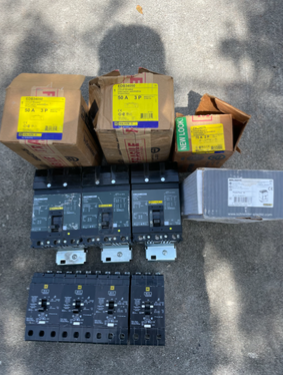
The opportunity might involve unopened cartons, loose shelf stock, previously installed devices, or breakers becoming available during a scheduled facility upgrade. Each inventory deserves a description that reflects its actual identity and history. Manufacturer information, catalog numbers, ratings, quantities, condition, and release timing help establish whether the material fits current purchasing requirements.
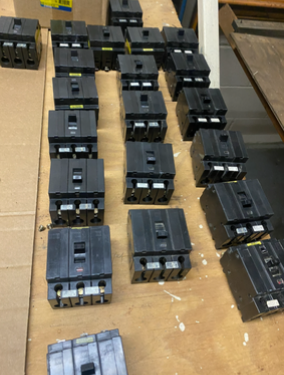
Start with what you can confirm. Photograph readable labels, show the overall lot, and explain which components are included. You can call 713-385-1333 or send your breaker inventory through the contact page without preparing a polished sales presentation.
What Electrical Breaker Buyers Need to Know First
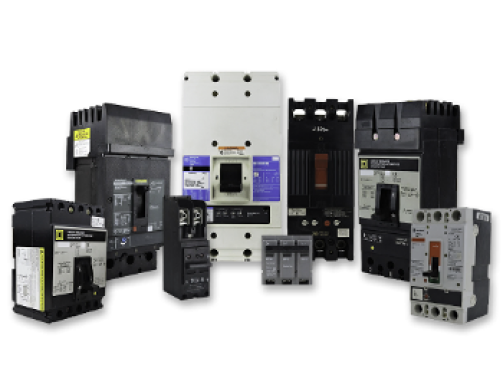
The word breaker does not identify a specific product. Devices can share an amperage or general appearance while differing in mounting, trip configuration, voltage ratings, accessories, and intended equipment application. A purchasing review therefore begins with the markings on the actual units being offered.
Record the full manufacturer and catalog number, including suffixes and additional labels. Photograph the breaker face and other accessible markings so uncertain characters can be checked. Avoid shortening model numbers or grouping devices together solely because their housings look similar.
Electrical breaker buyers also need a clear inventory boundary. State whether the proposed sale includes complete breakers, loose trip units, mounting components, associated drawout equipment, or other accessories. List incomplete assemblies separately so they are not counted as complete devices.
For general background, Wikipedia explains circuit breakers and their protective role in electrical systems. Your submission should focus on product-specific identification and condition rather than assuming a general description establishes the suitability of an individual unit.
Manufacturer and Complete Catalog Number
Use the identification printed on the equipment rather than a description copied from a neighboring carton. Small catalog differences can affect the review. If a label is damaged, photograph it clearly and mark any uncertain characters in the inventory list.
Original purchase documents may support identification, but they should be matched to the available units. A past order for several breakers does not prove that every device remaining in storage has the same configuration.
Ratings and Trip Information
Include marked amperage, voltage, pole count, frame information, interrupting ratings, and trip-unit details where available. Preserve the relationship between the rating and the conditions printed beside it. Do not combine separate nameplate values into an unsupported specification.
For adjustable or electronic-trip equipment, photograph the relevant faceplates and identifying components. Record what is present without changing settings or operating the device for an inquiry. Existing records can provide additional information when direct access is restricted.
Mounting and Included Components
Explain whether equipment is fixed, plug-in, bolt-on, drawout, or of an unidentified mounting style. Include photographs that show the available connection and mounting features when safe to obtain. Do not assume physical resemblance establishes compatibility.
Identify missing lugs, covers, handles, plugs, trip components, or associated hardware. If an accessory is stored separately, connect it to the correct inventory reference and describe the basis for that association.
Electrical Breaker Buyers Review Different Inventory Situations
Surplus inventory is not one uniform category. Unused project purchases, retained maintenance spares, and equipment removed after service have different histories. Describe each group separately so the purchasing discussion reflects the material actually available.
Texas Global Resources reviews qualified breaker opportunities according to identification, condition, demand, quantity, and recovery requirements. A submission does not guarantee an offer, but accurate information provides a useful basis for deciding whether further review is appropriate.
Unused Project Purchases
Unused breakers may become available when a project is cancelled, quantities change, or the specified equipment is revised. Include purchase records when available and explain whether the devices were ever installed. State whether cartons are sealed, opened, damaged, or missing.
If material was rejected for a particular reason, disclose that reason. A specification change is different from physical damage or an unresolved product concern. Electrical breaker buyers need that distinction when reviewing the offered stock.
Maintenance Spares
Maintenance departments often retain replacements for equipment that has since been retired. Before offering those devices, confirm that they are no longer required as operational spares. Separate approved surplus from material still reserved for active equipment.
Include storage history and available records. A spare kept for many years should not automatically be described as recently manufactured or fully tested. Explain what is known and identify any gaps in the documentation.
Previously Installed Breakers
For used units, describe the reason for removal and their last known service status. Equipment removed during an upgrade should be distinguished from devices removed following a fault, failure, overheating event, or other concern.
Recent photographs should show the current condition after removal and storage. Prior operation does not establish present performance, particularly when handling damage, environmental exposure, or missing components may affect an individual unit.
Present Boxed and Loose Equipment Accurately
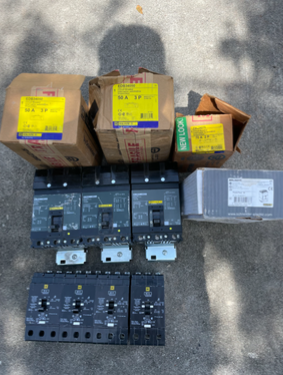
Original cartons can help organize a submission, but their labels should be compared with the actual equipment. Boxes may have been reused or opened, and their contents may differ from the printed description. Identify whether the contents have been verified rather than assuming packaging proves identity.
For loose stock, create small groups by manufacturer, complete model number, rating, and condition. Photograph the labels and show representative views of the devices. Separate exceptions such as cracked housings, missing terminals, corrosion, or altered components.
Describe new, unused, used, repaired, or reconditioned status with supporting facts. If work was performed, provide available records identifying the unit, provider, and scope. Do not use a general condition label to imply testing or certification that has not been documented.
Electrical breaker buyers can review a mixed lot more effectively when condition categories remain visible. A combined quantity should not hide the difference between packaged stock and incomplete or damaged devices.
Prepare a Useful Model-Level Inventory
A short, accurate inventory is more helpful than a large folder of photographs with no connection to quantities. Assign a reference to each matching group and use the same reference on your list and images. Record exceptions on separate lines.
Count complete devices separately from loose accessories and incomplete assemblies. If exact counts are unavailable, label quantities as estimates. Explain whether inaccessible shelves, unopened containers, or installed equipment limit the confidence of the count.
- Seller details: Company name, authorized contact, and the party approving release.
- Product identity: Manufacturer, complete catalog number, and readable label images.
- Marked ratings: Amperage, voltage, poles, frame details, and interrupting information where available.
- Trip configuration: Identifying information for the installed trip unit and related components.
- Quantity and completeness: Complete units, incomplete devices, and accessories listed separately.
- Condition: Usage history, known damage, packaging, modifications, and available records.
- Recovery details: Location, storage arrangement, loading access, and release deadline.
Update the list if inventory changes during discussions. A maintenance team may retain a device, another project may reserve stock, or additional units may be discovered. Keeping those changes visible helps prevent disagreements about what a proposed purchase includes.
Take Photographs That Answer Purchasing Questions
Begin with an overall view showing the size and arrangement of the lot. Follow with readable identification photographs and closer views of each major group. Keep the inventory reference visible or use a consistent filename so images can be matched without guesswork.
Photograph damaged or missing components directly. Burn marks, cracks, corrosion, altered connections, or absent parts should be disclosed rather than obscured by favorable angles. Accurate images reduce surprises and help electrical breaker buyers identify where more information is needed.
Preserve product labels and avoid cleaning methods that could remove markings or affect components. You do not need to improve the appearance of equipment before making contact. Current condition is more useful than photographs that conceal the inventory’s actual state.
For installed devices, use existing records and safely available exterior photographs. Do not open energized equipment, remove barriers, rack devices, or operate mechanisms solely to prepare a sales submission. Qualified personnel should manage any necessary access.
What Influences an Offer From Electrical Breaker Buyers?
There is no single purchasing rate that accurately covers every breaker. Model identity, configuration, quantity, condition, completeness, documentation, and demand all affect commercial interest. Two devices with the same amp rating may present different opportunities.
Discontinued status does not automatically create value. Some older models may interest facilities maintaining matching equipment, while others may have limited demand. Current-production inventory also needs review because packaging, condition, configuration, and available quantity can influence its suitability.
Original purchase cost provides historical context rather than a current offer. An unused device purchased for a specialized installation may have a narrower potential audience than expected. A mixed warehouse lot may also require substantial sorting and verification.
Recovery costs form part of the overall assessment. Packaging, handling, loading, freight, access restrictions, and project timing can affect feasibility. Providing those details early allows the discussion to address the actual transaction instead of an equipment description alone.
Coordinate Facility Projects Before Equipment Is Removed
Breakers becoming available through a shutdown or electrical upgrade should be documented while their identification and project records remain accessible. Explain the expected release date, current installed status, and who controls disconnection and removal.
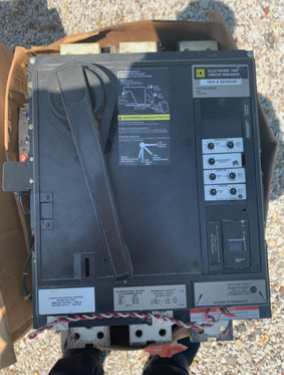
Separate the proposed sale from equipment retained for continued operations. A lineup photograph may contain both available and excluded devices. Mark those differences clearly so the image does not imply that every visible component is included.
Electrical breaker buyers need to understand whether equipment will be removed by the seller’s contractor or whether recovery arrangements remain undecided. Identify the scope without assuming a purchasing inquiry includes electrical work, lifting services, or site cleanup.
If the project includes additional assets, maintain separate equipment groups. The electrical surplus purchasing page provides related information for a broader submission while the breaker inventory remains clearly identified.
Make Warehouse and Pallet Quantities Easier to Review
A pallet count describes handling volume, but it does not identify the contents. List the principal models and quantities on each pallet or storage group. Explain whether devices are boxed, individually protected, loose, or mixed with unrelated material.
Provide available pallet dimensions and weight information, labeling estimates appropriately. Describe dock access, ground-level loading, available handling resources, appointment requirements, and restricted hours. These details can affect collection planning as much as the quantity itself.
Keep heavy or delicate components protected under handling arrangements selected by qualified personnel. Do not stack equipment in a way that places weight on handles, terminals, or exposed components. If existing packaging is inadequate, disclose that before freight arrangements are discussed.
Use Existing Records Without Overstating Condition
Test reports and maintenance records may support a review when they identify the actual units offered. Include dates, equipment references, provider information, and the documented scope. A report should remain connected to the device it covers.
A service label alone may not explain which procedures were performed or whether the record applies to the present configuration. Provide the underlying document when available and disclose subsequent changes, storage exposure, or repairs.
Do not arrange new testing simply because you assume it is required for an initial inquiry. Start with existing information and discuss any additional requirements during the review. A purchasing evaluation does not certify a breaker for installation or establish its suitability for a particular application.
The Electrical Breaker Selling Process
Confirm the Inventory Is Available for Sale
Verify ownership and identify the person authorized to approve the transaction. Exclude customer-owned, leased, consigned, disputed, and retained operational equipment unless the proper party has authorized release. Clear authority prevents avoidable delays after a review begins.
Send an Organized Initial Submission
Provide the main model groups, quantities, ratings, condition, photographs, and location. Explain whether equipment is installed or stored and state the expected release date. A reliable overview is sufficient to begin identifying useful follow-up questions.
Resolve Identification and Scope Questions
Additional questions may concern suffixes, trip components, accessories, damage, or handling requirements. Keep answers connected to the inventory references. When a detail cannot be confirmed, state the uncertainty instead of substituting a specification from similar equipment.
Review Commercial Terms
If purchasing interest develops, document the included equipment and any exclusions. Confirm inspection expectations, price, payment terms, packaging, removal, loading, transportation, and timing. Distinguish a preliminary discussion from an agreement authorizing release.
Prepare the Agreed Equipment for Collection
Reconcile the final list with the material being released and identify the authorized site contact. Separate sold units from retained stock. Communicate changes in quantity, condition, or access before collection so both parties can address them against the agreed terms.
Contact Electrical Breaker Buyers About Your Available Equipment
You can begin with a shelf of identified spares, several project cartons, or a larger facility package. What matters is an honest description of the equipment, its condition, and its availability. Readable labels and accurate quantities provide the foundation for a productive purchasing conversation.
Texas Global Resources reviews qualified opportunities from owners seeking a commercial disposition option for surplus breakers. Gather the information already available, identify any uncertainties, and explain the outcome your business needs, whether that involves releasing storage space or meeting a project schedule.
Call or text 713-385-1333 to discuss your inventory with electrical breaker buyers, or submit your model list and photographs online.
Frequently Asked Questions About Electrical Breaker Buyers
Can I Submit Only a Few Breakers?
Yes. A small quantity can be presented with complete model numbers, ratings, condition notes, and location. Whether a transaction is practical depends on the specific equipment and recovery requirements. Send the actual inventory rather than assuming every opportunity must involve a full pallet.
Do Electrical Breaker Buyers Consider Used Units?
Previously installed units may be reviewed when their identity, history, and current condition are described accurately. Explain why they were removed and disclose known faults, damage, repairs, or missing components. Prior operation should not be represented as proof of present performance.
Can Discontinued Breakers Be Offered?
Discontinued inventory can be submitted, but age and scarcity do not guarantee demand. Exact product identity, configuration, condition, completeness, and current purchasing requirements remain important. Include full catalog numbers and available documentation rather than relying on a general description of obsolete stock.
Do Original Boxes Establish That Breakers Are Unused?
No. Packaging supports identification only when it corresponds to the actual device. State whether cartons are sealed, opened, damaged, or reused and whether contents have been checked. Describe known installation history separately from the condition of the packaging.
Should I Test Every Breaker Before Making Contact?
Start with existing test records and the information you already have. Additional inspection or testing requirements can be discussed during review. Any testing or electrical access must be handled by qualified personnel, and a preliminary purchasing inquiry does not require operating equipment for demonstration.
What if My Inventory Has Not Been Sorted?
Begin with overall photographs and readable labels from the main groups. Mark quantity estimates clearly and explain access limitations. A preliminary overview can establish what additional organization is useful without requiring you to create an exhaustive inventory before the first conversation.
Can Installed Breakers Be Reviewed Before a Shutdown?
Yes. Provide safely available identification, existing records, the anticipated shutdown date, and the proposed removal scope. Explain which equipment is included and retained. Purchasing discussions do not authorize disconnection or establish that removal and collection services are included.
Is Pickup Included Automatically?
No. Collection arrangements depend on the equipment, quantities, location, access, and agreed terms. Provide loading details and deadlines during the inquiry. Confirm responsibility for packaging, handling, loading, transportation, and any required removal before equipment changes hands.
What Should I Have Ready When I Call?
Have manufacturer names, complete catalog numbers, approximate quantities, condition, location, and release timing available. Add nameplate photographs and relevant records when possible. Those details help electrical breaker buyers understand the opportunity and focus follow-up questions on the equipment being offered.