
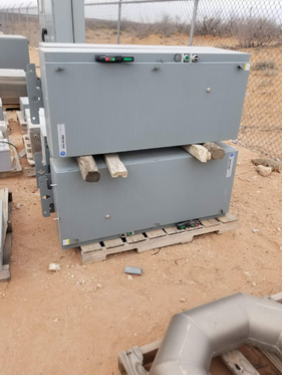
Electrical Contactor Buyers for Surplus Controls and Starter Assemblies
Have contactors available after an equipment change or project closeout? Call or text 713-385-1333 to discuss your inventory.
Replacing a production line can leave a business with shelves of contactors that no longer match its operating equipment. Unused project purchases, retired maintenance spares, and complete starter assemblies can create the same storage problem. Texas Global Resources gives authorized owners a direct contact for presenting this material to electrical contactor buyers and requesting a commercial purchasing review.
A useful inquiry identifies what is actually available. The contactor body, installed coil, accessories, condition, and quantity all matter. Two units that look alike may have different control voltages or configurations, so clear identification is more valuable than a general description of miscellaneous motor-control parts.
Present individual devices, matching groups, or organized facility inventory with current photographs and a realistic release schedule. You can begin with a simple list rather than a formal equipment catalog. Call 713-385-1333 or submit your contactor information online to explain the opportunity.
What Electrical Contactor Buyers Need to Identify
Start with the manufacturer and complete catalog number shown on the actual device. Include series information, size, revision, and other identifiers when marked. A shortened product number can omit details that distinguish the offered unit from another configuration within the same family.
The installed coil deserves separate attention. Photograph its identification when safely accessible, and record the marked voltage, AC or DC designation, and frequency information. Do not infer coil specifications from the motor voltage, cabinet supply, or another contactor stored nearby.
Electrical contactor buyers also need to know whether the offered item is a standalone device, part of an open starter, or installed within an enclosed assembly. List included overload components, auxiliary blocks, interlocks, mounting hardware, and related accessories without assuming every nearby component belongs together.
For general background, Wikipedia describes contactors and their switching applications. Your purchasing submission should concentrate on the exact equipment you own, using labels, photographs, and available records to establish its identity.
Complete Manufacturer and Series Information
Photograph labels straight on so catalog characters remain readable. If a marking is damaged or partly obscured, identify the uncertainty instead of completing the number from memory. Existing invoices or manufacturer documents may help, provided they can be matched to the available device.
Keep different series on separate inventory lines. A manufacturer may produce several generations with similar appearances, and accessories from one family should not automatically be described as suitable for another. Preserve the original identification on each component.
Coil and Control Details
Record the installed coil marking independently from the main contactor label. If a replacement coil accompanies the unit, give it its own inventory entry and catalog number. State whether compatibility is documented or remains unverified.
Do not energize equipment to demonstrate operation for an initial inquiry. Readable photographs and existing records provide a starting point without requiring improvised testing. Qualified personnel should control any access involving installed electrical equipment.
Main Poles and Auxiliary Components
Include the marked main-pole configuration and identify installed auxiliary blocks. Record normally open or normally closed arrangements only when supported by terminal markings or documentation. Photograph the accessory identification alongside a view showing how it relates to the device.
Loose timers, suppressors, interlocks, and contact kits should be listed separately. An assortment of compatible-looking parts should not be counted as a complete assembly unless the components and their relationship have been verified.
Inventory Electrical Contactor Buyers May Review
Qualified opportunities may involve unused contactors, previously installed units, documented replacement stock, or complete starter packages. Purchasing interest depends on the actual product and current requirements. A particular brand, age, or quantity does not establish acceptance without review.
Describe IEC, NEMA, definite-purpose, lighting, reversing, and other identified configurations according to their actual labels. Avoid translating one rating convention into another or assigning a duty based on appearance. The submission should preserve the manufacturer’s product description.
Current and discontinued inventory can both be presented. Older devices may have a potential replacement application, but discontinued status alone does not create demand. Newer stock still needs its configuration, completeness, storage history, and quantity confirmed.
Keep Contactors and Starter Assemblies Clearly Distinguished
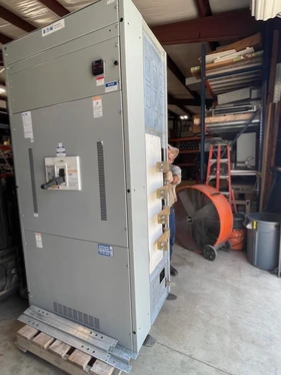
A contactor removed from a starter is not the same offered product as a complete starter assembly. Explain exactly what is included and what has been retained. If the enclosure, overload device, control components, or operating accessories are absent, make those exclusions visible.
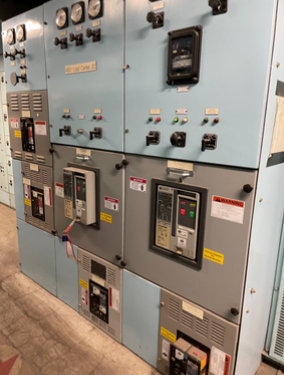
For assemblies, photograph the overall equipment and each important component label when safely accessible. Include the enclosure identification, contactor, overload components, and other devices forming part of the proposed sale. Existing drawings can support the description when they reflect the current arrangement.
Electrical contactor buyers need both context and component-level detail. An exterior cabinet photograph may show the package size without identifying its contents. Conversely, a closeup of one device does not establish that the rest of the assembly is complete.
Open and Enclosed Starters
List the contactor and overload components individually, then identify any enclosure and associated controls included with them. Describe missing covers, altered wiring, removed components, or incomplete hardware. Avoid describing a partially stripped assembly as ready for installation.
If records identify the original configuration, explain whether it has changed. Repairs and retrofits may mean the present equipment differs from the original nameplate or drawing. Photographs and current component identification should make that distinction clear.
Reversing and Interlocked Assemblies
Keep documented matched components together when practical. Photograph both devices, their individual labels, the mounting arrangement, and any interlock included in the sale. State whether the assembly is factory supplied or has a known field-assembly history.
Disclose missing or damaged interlocks and accessories. A pair of similar contactors placed together should not be represented as a verified reversing package without supporting information. Accurate scope helps avoid assumptions during the review.
Describe Condition Beyond a General “Good” Rating
Useful condition descriptions explain the device’s history. State whether inventory is unused in packaging, unused open-box stock, previously installed, removed after service, repaired, or of unknown status. Include available dates and records rather than relying on appearance alone.
Report known overheating, coil failure, damaged housings, missing components, corrosion, or other incidents. Identify affected units separately from unaffected stock. Material removed because of a problem should not be mixed into a group described as operational equipment retired during an upgrade.
For repaired or reconditioned devices, provide documentation showing who performed the work and what was done. A handwritten tag or verbal description may not establish the scope. Keep claims proportionate to the records available for each unit.
Clean packaging and intact exterior surfaces do not prove internal condition. Electrical contactor buyers need an honest account of what is known, what has been checked, and what remains uncertain. Unknown history can be disclosed without inventing a favorable explanation.
Prepare an Organized Submission for Electrical Contactor Buyers
Use one inventory line for each distinct configuration. Assign a reference number and connect it with the corresponding photographs. Separate units with different coils, accessories, or condition even if their main catalog numbers share a product family.
A spreadsheet is helpful for larger lots, but a clearly written list can work for a smaller submission. Include information you can confirm and mark unknown details. This makes the initial review more productive than delaying contact until every missing record has been found.
- Product identification: Manufacturer, complete catalog number, series, size, and readable label photographs.
- Installed coil: Coil code, marked control voltage, AC or DC designation, and frequency where shown.
- Marked ratings: Current, voltage, horsepower, and duty information transcribed with its associated conditions.
- Configuration: Main poles, identified auxiliary blocks, interlocks, and other included accessories.
- Completeness: Standalone device, partial assembly, or documented starter package.
- History: Usage, reason for removal, repairs, storage, and available inspection records.
- Sale details: Quantity, ownership authorization, location, release date, and loading requirements.
Count complete units separately from loose parts and incomplete devices. If quantities are estimated, say so. Update the list when stock is reserved, removed, or added while the opportunity is under discussion.
Photograph the Details That Resolve Identification Questions
Start with a wide view of the available lot, then capture each main inventory group. Follow with readable labels, installed coil identification, accessory markings, and visible condition concerns. Use the same references in your image filenames and inventory list.
Show the actual devices rather than relying entirely on carton photographs. Packaging may have been opened or reused, and its label may not match the current contents. Explain whether sealed packages remain unverified instead of presenting their contents as independently inspected.
Preserve labels during handling. Avoid abrasive cleaning or chemicals that could remove identification or affect components. You do not need to improve the appearance of equipment before requesting a purchasing review; accurate current-condition photographs are more useful.
For installed equipment, use existing records and safely available views. Do not remove protective barriers, disturb wiring, or reach inside energized enclosures solely to obtain a catalog number. Site personnel should determine how any additional information can be gathered safely.
Why Companies Contact Electrical Contactor Buyers
Businesses accumulate surplus controls through production changes, equipment replacement, project cancellations, and revised maintenance practices. A contactor that once supported a critical machine may become unnecessary when that machine leaves the facility. Purchased stock may also remain after a project changes its control requirements.
A commercial review provides another option alongside internal reuse, supplier return, continued storage, or other disposition methods. It is most useful while equipment remains identifiable, quantities can be counted, and accessories have not been separated into mixed containers.
Coordinate internally before offering material. Maintenance may know its operating history, purchasing may hold invoices, and warehouse personnel may know where matching components are stored. One authorized seller contact can bring that information together and confirm which items are approved for release.
If the project includes additional assets, keep those groups separate from the contactor inventory. The electrical surplus purchasing information provides a related starting point for a broader submission without obscuring individual product details.
How Electrical Contactor Buyers Consider Commercial Potential
A purchase review considers the specific model and configuration rather than a universal price per device. Coil details, ratings, included accessories, completeness, condition, quantity, documentation, and current demand can all influence interest. Similar current ratings do not make two contactors equivalent opportunities.
Original acquisition cost does not establish a current offer. Specialized equipment may have a limited replacement audience, while commonly used products still require verification of condition and configuration. An incomplete device may present a different opportunity from a documented matching assembly.
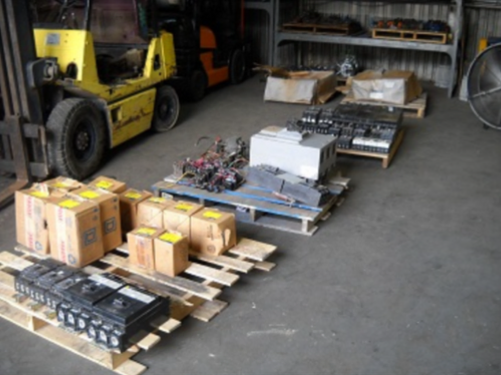
Lot organization also affects the work involved. Clearly identified matching groups can be easier to review than a mixed collection with missing labels. Separate damaged material and unidentified parts so their condition does not become confused with the rest of the offered inventory.
Recovery expenses belong in the discussion as well. Packaging, handling, loading, freight, access restrictions, and deadlines affect practical feasibility. Share those details early so any commercial terms reflect the full scope rather than the equipment alone.
Plan Facility Releases Before Components Are Separated
A shutdown can move quickly from documentation to dismantling. Identify available contactors and assemblies before labels, drawings, and matched accessories become disconnected from one another. Give each assembly a reference that remains with its components throughout the process.
Explain the equipment’s current status: installed, awaiting a scheduled outage, disconnected, removed, or staged. A purchasing inquiry does not authorize electrical work or establish that removal services are included. Qualified personnel and facility management must control access and disconnection.
State who will package, stage, and load the material. If those responsibilities remain undecided, disclose that during the review. Include site hours, appointment requirements, access restrictions, and the date by which the area must be cleared.
Confirm ownership and release authority before committing inventory. Customer-owned equipment, retained operational spares, consigned stock, and disputed material should not be included without the appropriate authorization. Clear boundaries help prevent late changes to an otherwise workable transaction.
Use Existing Inspection and Maintenance Records Carefully
Records can support a submission when they identify the actual device or assembly being offered. Include the date, provider, equipment reference, and documented scope. Explain whether repairs, modifications, or environmental exposure occurred after the recorded work.
A report covering one assembly should not be presented as proof for every unit in a warehouse lot. Likewise, a service sticker may not explain the procedures performed. Provide the underlying record where available and identify any limitations.
Begin with existing information rather than commissioning new testing on the assumption that it is required. Additional inspection requirements can be discussed during the purchasing review. Any testing should be planned and performed by qualified personnel under appropriate conditions.
The Contactor Inventory Review Process
Confirm the Available Equipment
Separate released inventory from stock retained for active operations. Verify the owner, sale authority, quantities, and included components. Identify exclusions before photographs and lists are distributed so the initial submission presents a consistent scope.
Send Product Details and Current Photographs
Provide the manufacturer, full catalog number, coil information, condition, quantity, and supporting images. Explain whether the offered material consists of standalone devices or assemblies. Include your location and realistic decision or release dates.
Resolve Configuration and Condition Questions
Follow-up questions may concern coil labels, missing accessories, starter components, or known incidents. Keep responses connected to inventory references. When a detail cannot be verified, identify the uncertainty instead of substituting information from a similar device.
Review the Proposed Agreement
If purchasing interest develops, document the included equipment, exclusions, condition representations, inspection expectations, price, and payment terms. Establish responsibility for removal, packaging, loading, transportation, and collection timing before authorizing release.
Reconcile the Final Inventory
Before collection, compare the agreement with the actual equipment and confirm the authorized site contact. Separate sold stock from retained items. Communicate changes in quantity, condition, or access before loading begins so they can be resolved against the agreed terms.
Contact Electrical Contactor Buyers With Your Equipment List
You can start with several unused devices, an organized shelf inventory, or contactors released through a larger facility project. The first priority is a reliable account of the available equipment. Clear labels, coil details, condition notes, and quantities help turn that inventory into a specific purchasing conversation.
Texas Global Resources reviews qualified opportunities based on the actual devices and current purchasing requirements. Gather the information already available, identify what remains unknown, and explain your timeline. Keeping equipment and supporting records together makes the next steps easier to discuss.
Call or text 713-385-1333 to discuss your inventory with electrical contactor buyers, or submit contactor specifications and photographs online.
Frequently Asked Questions About Electrical Contactor Buyers
Can I Submit a Small Quantity of Contactors?
Yes. Present the actual models, installed coil details, quantities, condition, and location. A small identifiable group can be reviewed without assuming that a full pallet is required. Purchasing interest depends on the specific inventory and the practical circumstances of the opportunity.
Why Is the Installed Coil Information Important?
Devices within a product family may have different coil configurations. Photograph the installed coil marking when safely accessible and record what it states. Do not assume that a motor’s operating voltage or a cabinet supply identifies the contactor’s control requirements.
Do Electrical Contactor Buyers Consider Used Devices?
Previously installed units can be submitted with an accurate history. Explain when and why they were removed, disclose known failures or repairs, and describe current condition and storage. Previous operation should not be represented as a guarantee of present performance.
Can Discontinued Contactors Be Offered?
Discontinued inventory may be reviewed, but obsolescence alone does not establish demand. Complete identification, coil configuration, included accessories, condition, quantity, and current purchasing requirements remain important. Send readable labels and available records rather than relying on a general description of older stock.
Should Overload Components Stay With a Starter?
Keep documented matched components together when practical, while listing their individual identification. State which parts are included and which are missing or retained. Avoid describing an assembly as complete or compatible without records supporting that description.
What if Some Contactors Are Damaged or Failed?
List them separately and disclose the known problem. Photograph damage and explain the available history. Do not mix failed devices into a group described as unused or operational inventory. Their commercial suitability must be considered according to their actual condition.
Do I Need New Test Reports Before Making Contact?
Start with existing records and the information already available. Any additional inspection or testing requirements can be discussed during review. Do not energize or operate equipment for an initial sales demonstration, and leave testing decisions and procedures to qualified personnel.
Is Pickup Automatically Included?
No. Collection arrangements depend on inventory suitability, quantity, location, packaging, access, and the agreement. Confirm responsibility for removal, staging, loading, freight, and timing before equipment is released. A purchasing inquiry alone does not establish those services.
What Should I Have Ready for an Initial Inquiry?
Prepare manufacturer and catalog numbers, installed coil markings, quantities, condition, location, and release timing. Add current photographs and identify whether units are standalone or part of assemblies. These details help electrical contactor buyers focus follow-up questions on the equipment actually available.