
Electrical Safety Switch Buyers for Commercial Surplus
Ready to discuss safety switches your business can release? Call or text 713-385-1333 with equipment photographs and available quantities.
Closing out a job should not leave your team indefinitely tracking safety switches that no longer have an assigned installation. Whether the equipment came from excess purchasing, revised specifications, or a completed facility upgrade, Texas Global Resources offers a direct purchasing contact. Businesses comparing electrical safety switch buyers can submit their available units for a review based on the actual equipment and transaction requirements.
We welcome an organized account of unused stock, previously installed switches, matching quantities, and mixed project inventory. The important details are the manufacturer, complete catalog identification, ratings, condition, included components, and availability. Those facts help establish whether a purchasing opportunity exists and what additional information would support the next step.
You can begin with a few clear photographs and a preliminary count. Explain your deadline, identify the person authorized to approve the sale, and describe where the material is stored. Call 713-385-1333 or request a safety-switch inventory review through our contact page.
Present the Equipment You Actually Have Available
A useful submission tells a purchasing contact more than the number of cabinets occupying a storage area. It identifies the switches inside those cabinets and distinguishes complete units from incomplete equipment. Begin with readable manufacturer labels rather than estimates based on enclosure size or color.
Keep full catalog numbers intact, including suffixes and series information. If a character is unclear, provide a photograph and mark the uncertainty. Copying a number from a similar switch can introduce an error that affects the entire review.
Electrical safety switch buyers also need to know whether the photographed equipment is included in the sale. Mark retained units and unrelated devices clearly. A wide warehouse photograph should establish context without suggesting that every item visible is available.
For background terminology, Wikipedia’s overview of disconnecting and isolation switches provides a relevant reference. The purchasing discussion should still follow the identification and manufacturer documentation belonging to your specific safety switches.
Fusible Safety-Switch Inventory
Describe fusible switches using their own catalog information and marked ratings. Include documented fuse provisions and identify any fuses offered with the equipment. Record those fuses separately so the switch count remains clear and their condition can be described accurately.
Explain whether clips, covers, barriers, terminals, and associated parts are present. If an internal inspection has not been performed, say so. Existing documents and safely obtained photographs can support an initial inquiry without opening installed electrical equipment.
Non-Fusible Safety-Switch Inventory
List non-fusible units separately from fusible stock, even when they share a manufacturer or cabinet style. Include marked amperage, voltage, poles, enclosure designation, operating arrangement, and available accessory identification. Do not assume equal amperage makes two switches interchangeable.
Describe the former application as equipment history rather than proof of suitability elsewhere. A switch removed from one machine may have characteristics that matter to a future application. Accurate identification allows electrical safety switch buyers to consider the actual product.
Specialty Configurations and Accessories
For double-throw or other specialized arrangements, provide an overall view and every accessible identification label. Include documentation describing the configuration and list any associated accessories. Explain whether the assembly has been modified since its original installation.
Specialized equipment should not be valued solely by its original purchase price. Its configuration may serve a limited replacement need, and purchasing interest depends on current requirements. Clear documentation helps establish what distinguishes the offered unit.
Electrical Safety Switch Buyers Need a Defined Sale Package
Before discussing a transaction, establish which components accompany each switch. Include the enclosure, door, operating handle, mechanism, covers, terminals, and identifiable accessories in the description. Missing components should appear as explicit exceptions rather than being left for an inspection to uncover.
Separately stored hardware can be included when its relationship to the equipment is known. Use matching reference labels on the unit and its accessory container. An unidentified box of parts should remain described as unverified material until its contents can be checked.
This preparation protects the owner’s intended scope. It helps prevent an active spare from being released accidentally and avoids disagreements over whether a loose handle, cover, or accessory was part of an offer. A defined package supports a clearer commercial conversation.
Door, Handle, and Operator Condition
Show bent doors, broken handles, damaged hinges, missing latches, and visible operating-component changes in current photographs. Explain any known replacements or repairs. A freshly painted surface should not be used to imply that a mechanism has been inspected or restored.
Do not operate a switch for an informal sales demonstration. Describe its known history and available records instead. Any additional access, inspection, or testing should be managed by qualified personnel under the appropriate site procedures.
Enclosures and Field Changes
Transcribe the enclosure designation from the equipment label. Then describe its present state, including additional openings, installed hubs, corrosion, impact damage, repairs, and missing components. Original markings and current condition are separate pieces of information.
Disclose modifications to operators, barriers, terminals, or other components. Existing drawings may show the original assembly rather than its current configuration. Electrical safety switch buyers need photographs and records that explain those differences.
Give Each Condition Category Its Own Description
Unused cartons, installed-but-unused units, and equipment removed after service should not share one blanket condition statement. Separate these groups and explain the basis for their descriptions. When operating history is unknown, record that uncertainty without trying to infer use from appearance.
For previously operated switches, state why they were retired. Planned modernization differs from removal following a mechanical problem, overheating, flooding, fire, or another incident. Identify affected equipment individually and provide relevant records where available.
Storage history adds context to present condition. Include indoor or outdoor storage, approximate duration, known moisture or chemical exposure, and handling damage. Show concerns directly rather than relying on distant photographs that make every cabinet appear similar.
Terms such as tested, repaired, and reconditioned should correspond to documentation. Identify the equipment covered, the provider, date, and scope. A purchasing review is more reliable when descriptions explain what is known without suggesting undocumented performance or certification.
When a Purchasing Review Can Help Your Business
Project managers often discover excess switches during final quantity reconciliation. Maintenance departments may hold replacements for machinery that has left the facility. Distributors and contractors may also need to release inventory that no longer fits their current work.
Presenting that material to electrical safety switch buyers creates another disposition option to consider. The owner can compare the purchasing discussion with internal reuse, supplier-return possibilities, continued storage, or another recovery route. An inquiry does not commit the business to a sale.
The most useful time to gather information is while labels remain readable and project personnel can explain the equipment. After several warehouse moves, parts and records can become separated. Early identification preserves the facts needed for a meaningful review.
For releases involving other assets, use separate equipment groups. Our electrical inventory purchasing information offers relevant context for a broader submission while keeping the safety-switch details distinct.
Identify Included Fuses and Protective Components Separately
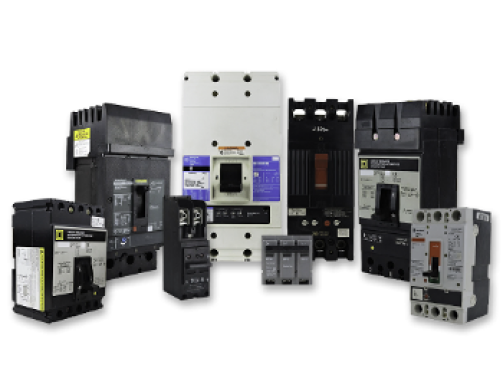
A project inventory may contain safety switches, loose fuses, breakers, and other electrical components in the same storage area. Keep each category identifiable. A quantity of accessories should not increase the count of complete switches, and an enclosed breaker should retain its actual product description.
List included fuses by their own manufacturer identification, marked ratings, quantity, and stated condition. Explain whether they remain installed or are packaged separately. Do not assume loose fuses match a switch because they were found nearby.
Preserve conditional rating information exactly as shown by the manufacturer. Include the complete label rather than calculating a new rating from individual components. If parts have been changed, disclose that change so the review does not rely on an unverified original configuration.
Prepare a Compact Inventory That Answers the Main Questions
One line per distinct configuration is usually a practical starting point. Group genuinely matching units and separate differences in condition or completeness. Assign references that connect each group to its photographs, documents, and stored accessories.
You can use a spreadsheet for a large release or a clear written list for several devices. The objective is consistency. Include confirmed facts, label estimates, and identify information that remains unavailable rather than filling gaps with assumptions.
- Product identification: Manufacturer, complete catalog number, series, and readable label images.
- Marked specifications: Amperage, voltage, poles, enclosure designation, and other documented ratings.
- Configuration: Fusible, non-fusible, or another identified arrangement.
- Included equipment: Complete units, accessories, separately stored parts, and exclusions.
- Condition: Usage history, storage, damage, alterations, and available inspection records.
- Quantity: Confirmed counts and clearly identified estimates.
- Availability: Sale approval, location, access, release date, and collection constraints.
Keep the submission current while discussions continue. If maintenance retains a unit or another project reserves stock, revise the available count promptly. Electrical safety switch buyers should be considering material the owner can actually release.
Use Photographs to Connect Identification With Condition
Begin with a full view of each principal group, followed by readable nameplates and individual equipment views. Add photographs of modifications, missing parts, packaging, and visible damage. This sequence explains both the scale of the opportunity and the details behind it.
A consistent reference system is especially helpful when several cabinets look alike. Include the inventory reference in the photograph filename or place a temporary reference nearby without covering manufacturer labels. Keep each document associated with its correct device.
Preserve the condition evidence. Avoid abrasive cleaning, repainting over markings, or cosmetic work that obscures damage. An accurate image of equipment as it stands is more useful than a presentation that creates uncertainty about its history.
Coordinate Installed Equipment With the Facility Schedule
A switch can be approved for eventual sale while still serving an active installation. Explain its current status and distinguish the approval date from the outage, removal, and collection dates. This helps align the purchasing discussion with the project’s actual sequence.
Existing schedules, photographs, and equipment records can support a preliminary review. Do not open energized equipment or bypass access controls to gather sales information. Qualified personnel must determine how additional identification can be obtained safely.
Describe the contractor work already arranged. State who handles disconnection, physical removal, staging, and loading, and identify responsibilities that remain undecided. A purchasing inquiry does not itself authorize electrical work or include those services.
Retain equipment references through the removal process. Keep doors, covers, handles, accessories, and records associated with the correct units. Updated photographs after staging help show the condition of the material that will actually be released.
How Electrical Safety Switch Buyers Develop a Commercial Assessment
A review considers the complete opportunity: equipment identity, ratings, configuration, enclosure, condition, completeness, documentation, quantity, demand, and recovery requirements. There is no dependable universal price per cabinet that captures these differences.
Original cost may explain the owner’s investment, but it does not establish a present purchasing offer. A specialized configuration may have a limited audience. A common product may still have restricted potential when components are missing, labels are unreadable, or damage is significant.
Discontinued status also needs context. Some models may support replacement needs in existing installations, while others have little demand. Accurate identification allows that question to be considered without assuming that age or scarcity guarantees value.
Handling and freight are part of the commercial picture. Staged warehouse stock presents different requirements from wall-mounted equipment awaiting removal. Provide access restrictions, dimensions, available weights, and deadlines early enough for those factors to be discussed.
Reconcile Packaging, Ownership, and Loading Details
Original packaging is useful when it matches the actual equipment. State whether cartons are sealed, opened, damaged, reused, or unverified. If a package label conflicts with a device label, photograph both and disclose the discrepancy.
Confirm that the business owns the switches and has authority to sell them. Exclude retained operational equipment, customer-owned material, consigned stock, and assets with unresolved release restrictions. Identify the person who can approve the final transaction.
Describe the loading area and available resources accurately. Include dock access, ground-level doors, restricted hours, appointment requirements, and suitable handling equipment where confirmed. Do not assume resources elsewhere on the property will be available for collection.
The Purchasing Discussion From Inquiry to Release
Submit the Main Equipment Details
Send catalog groups, quantities, condition, current images, location, and availability. Explain whether the material is installed or stored and identify missing information. A factual overview gives electrical safety switch buyers a useful basis for the first response.
Clarify the Offered Scope
Answer questions about identification, accessories, alterations, and known incidents using the same inventory references. Confirm exclusions and update changed quantities. When information cannot be verified, leave it identified as unknown rather than substituting a similar product’s specification.
Review the Proposed Terms
If purchasing interest exists, document included equipment, condition representations, inspection expectations, price, payment, and release conditions. Establish responsibility for removal, packaging, loading, transportation, and timing. The equipment list should support the commercial agreement.
Confirm the Final Collection Inventory
Compare staged equipment with the agreed list and separate purchased units from retained stock. Confirm the authorized site contact and communicate changes before loading begins. This final reconciliation helps prevent the wrong equipment or unmatched accessories from leaving the property.
Speak With Electrical Safety Switch Buyers About Your Inventory
Your equipment does not need a polished marketing package to receive an initial review. Start with readable labels, current photographs, quantities, and a description of its history. Explain any uncertainties and the result your business needs from the disposition process.
Texas Global Resources reviews qualified safety-switch opportunities from authorized owners. Present unused purchases, removed units, or matching warehouse quantities with their supporting details. Keeping the equipment, records, and approval contact connected helps move the discussion toward a clear decision.
Call or text 713-385-1333 to contact electrical safety switch buyers, or send your inventory and photographs online.
Frequently Asked Questions About Electrical Safety Switch Buyers
Can a Few Switches Be Submitted Without a Larger Equipment Lot?
Yes. Provide the actual models, quantities, condition, location, and availability. A small group can be presented without assuming that a full pallet is necessary. Whether a transaction is practical depends on the specific equipment and recovery requirements.
What if the Catalog Label Is Partly Unreadable?
Photograph the label clearly and identify uncertain characters. Include other equipment markings and matching records where available. Do not complete the number from a similar cabinet, since a small identification difference can affect the purchasing review.
Do Electrical Safety Switch Buyers Review Previously Operated Units?
Previously operated equipment can be submitted with an accurate history. State why it was removed and disclose known damage, repairs, exposure, or missing components. Existing records and current photographs help describe the actual equipment without implying guaranteed performance.
Should Unused and Used Inventory Be Counted Separately?
Yes. Separate condition categories even when catalog numbers match. Describe how unused status was established and identify packaging that has not been verified. Clear groupings prevent one condition statement from being applied incorrectly to an entire mixed lot.
Can Fuses and Accessories Accompany the Switches?
Include them as separately identified inventory. Provide their markings, quantities, and condition, and explain their documented relationship to the switches. Loose components should not be described as matched accessories or complete kits without verification.
Is New Testing Required Before an Inquiry?
Begin with the records already available and disclose the equipment’s known status. Additional inspection requirements can be discussed during review. Any testing or electrical access must remain with qualified personnel operating under appropriate procedures.
Can Installed Equipment Be Discussed Before an Outage?
Yes. Share safely available identification, existing records, and the anticipated project dates. Explain who controls disconnection and removal. An inquiry does not establish a purchase, authorize electrical work, or automatically include collection services.
Does Discontinued Status Guarantee an Offer?
No. Discontinued equipment may have a replacement application, but demand depends on the exact model and configuration. Condition, completeness, documentation, quantity, location, and recovery costs also affect whether an opportunity can proceed.
How Are Loading and Transportation Responsibilities Established?
They should be confirmed in the agreement for the specific inventory. Provide access information, dimensions, available weights, site restrictions, and deadlines during the inquiry. Establish who supplies packaging, handling, loading, and freight before releasing equipment.
What Is the Best Starting Point for a First Conversation?
Have the manufacturer, catalog numbers, quantities, condition, location, photographs, and release timeline ready. Identify missing parts and uncertain details. That overview helps electrical safety switch buyers understand the inventory and focus on the information needed for a purchasing decision.