
Facility Liquidation Services for Industrial Assets
Planning a facility closure, consolidation, or major asset release? Call or text 713-385-1333 to discuss qualified equipment and recovery requirements.
Facility liquidation services help industrial owners organize, document, market, and release qualified equipment when a building, production area, warehouse, maintenance shop, or complete operation must be cleared. Texas Global Resources reviews opportunities involving process equipment, production-support machinery, material inventory, electrical assets, and mobile equipment. A workable project begins with an approved scope, accurate asset records, realistic dates, and a clear understanding of site access.
Liquidating a facility requires more than compiling a list of room names. Machines may share power, piping, controls, tooling, foundations, platforms, or auxiliary systems. Equipment that appears independent may depend on a transformer, control cabinet, hydraulic power unit, pump, dust collector, charger, or software license. Every included and excluded component should be identified before commercial decisions are made.
Documentation should begin while equipment is installed and knowledgeable personnel remain available. Photograph identification plates, complete assemblies, controls, connections, guarding, utilities, supports, access routes, and visible defects. Record manufacturer, model, serial number, year, ratings, capacity, hours or cycles, former use, maintenance history, condition, ownership, location, and release date for every asset.
What Facility Liquidation Services May Include
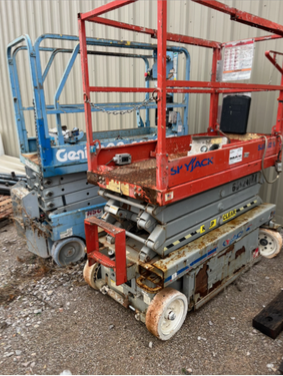
A qualified project may cover production equipment, tanks, process vessels, pipe, fittings, valves, pumps, heat exchangers, generators, transformers, switchgear, welding machines, forklifts, skid steers, scissor lifts, boom lifts, and selected warehouse or maintenance assets. Current purchasing needs vary by specifications, condition, completeness, demand, location, and removal complexity.
An organized scope separates marketable assets from consumables, building fixtures, active equipment, scrap, regulated materials, and property belonging to other parties. Company-owned equipment should remain distinct from leased, financed, rented, consigned, customer-owned, employee-owned, disputed, or reserved items. Written authority is needed before anything is sold or removed.
Effective facility liquidation services use precise condition descriptions. Useful terms include operating in current service, demonstrated on a specific date, functional when disconnected, stored indoors after removal, partially dismantled, incomplete, damaged, non-running, or not tested. Broad claims such as “everything works” should be avoided unless the complete inventory was recently verified.
Installed Production and Process Assets
Installed systems need technical specifications, configuration, utility requirements, control details, former service, hours or cycles, maintenance records, and disconnection status. Photographs should show how each asset connects to upstream, downstream, and auxiliary equipment before dismantling begins.
Warehouse and Material-Handling Equipment
Forklifts, lifts, loaders, racking-related equipment, and shop assets need capacity, configuration, power source, hours, attachments, inspections, condition, dimensions, weight, and loading access. Keys, chargers, batteries, forks, buckets, and other accessories should be assigned to the correct unit.
Bulk Materials and Maintenance Inventory
Pipe, fittings, valves, spare motors, controls, and parts should be separated by manufacturer, specification, material, size, rating, model, quantity, condition, and traceability. Unidentified mixed inventory should not be represented as certified or suitable for a particular service.
Facility Liquidation Services for Mobile and Yard Equipment
Clearing a skid steer or compact loader from the property? Call 713-385-1333 with identification, hours, attachments, condition, and pickup access.
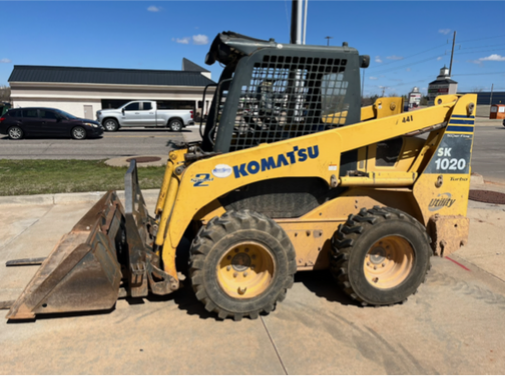
A compact-loader record should include manufacturer, model, serial number, year, engine model, horsepower, rated operating capacity, hydraulic-flow configuration, coupler type, auxiliary connections, operating weight, dimensions, hours, and included attachments. Use the actual machine plate and manual rather than specifications from a similar-looking model.
Photograph the cab, controls, restraint system, lift arms, pins, bushings, cylinders, hoses, coupler, auxiliary connections, engine compartment, cooling package, tires or tracks, undercarriage, counterweight, and attachment. Disclose leakage, smoke, overheating, warning codes, worn joints, damaged tires or tracks, cracked welds, bent structures, missing guards, and modified protective devices.
Buckets, forks, grapples, augers, sweepers, breakers, couplers, and other attachments should be listed individually. Record manufacturer, model, serial number, width, capacity, interface, hydraulic needs, condition, and ownership. State which attachment is mounted and which items will remain with the property or another machine.
During facility liquidation services, mobile equipment may support removal work before it becomes available. Establish the final release date and do not promise equipment still required for cleanup. Confirm whether the loader starts, drives, steers, brakes, lifts, and releases its attachment, then document the route and resources needed for loading.
Why Businesses Need Facility Liquidation Services
A liquidation can follow a permanent closure, facility sale, production transfer, contract loss, product retirement, lease expiration, corporate consolidation, bankruptcy process, environmental project, or redevelopment. Owners may face overlapping obligations involving personnel, utilities, records, inventory, lenders, landlords, security, contractors, and fixed deadlines.
Beginning early reduces uncertainty. Operators may know recent equipment performance, maintenance staff may retain service history, engineering may control drawings and programs, environmental teams may understand process residue, purchasing may have specifications, and accounting may control asset-release approval. That knowledge can disappear quickly after shutdown announcements and personnel transitions.
A controlled asset register helps everyone work from the same scope. Assign a unique reference number to every item and connect that number to photographs, identification, records, location, ownership, and release status. Update the register when an item is excluded, sold, relocated, dismantled, or removed so the project does not rely on outdated lists.
Professional facility liquidation services should also recognize that not every item will qualify for purchase. Technical fit, condition, documentation, demand, contamination, location, and recovery cost differ. An organized review helps identify which assets warrant commercial consideration and which require another approved disposition method.
Information Needed for Facility Liquidation Services
Approved Scope and Decision Authority
Identify the buildings, departments, lines, systems, and assets included in the project. Record exclusions, active operations, decision-makers, site contacts, ownership limitations, lender or landlord rights, inspection windows, release dates, and the final clearance deadline.
Asset Identification and Specifications
Record manufacturer, model, serial number, plant tag, year, capacity, materials, pressure, temperature, flow, speed, horsepower, voltage, phase, frequency, amperage, dimensions, and weight. Photograph every available nameplate, tag, code stamp, and label clearly.
Configuration and Included Components
List motors, drives, controls, tooling, dies, molds, feeders, conveyors, transformers, pumps, platforms, skids, chargers, batteries, trailers, manuals, software, and spare parts. Explain which components are shared, excluded, missing, leased, or reserved.
Operation, Condition, and Former Use
State the last operating date, test status, hours or cycles, production application, process media, duty cycle, storage environment, and reason for retirement. Disclose leaks, abnormal noise, smoke, overheating, vibration, corrosion, contamination, damaged structures, missing guards, and active faults.
Maintenance, Inspection, and Test Records
Useful documents identify the asset, service date, meter reading, work completed, parts installed, technician, readings, and unresolved recommendations. Include maintenance logs, repair invoices, calibration records, pressure tests, electrical tests, oil analysis, cleaning certificates, and inspection reports.
Ownership and Transfer Documents
Confirm company ownership, liens, title or registration requirements, and authority to transfer each asset. Identify lender releases, landlord consent, customer property, lease returns, environmental documents, software-license restrictions, and internal approvals still required.
Removal Conditions and Schedule
Provide the exact location, floor level, dimensions, component weights, utility status, aisle and doorway clearances, floor capacity, dock or yard access, overhead obstructions, available lifting equipment, work hours, security procedures, insurance requirements, and removal deadline.
Facility Liquidation Services for Tanks and Process Vessels
Have a vessel included in a facility clearance? Call or text 713-385-1333 with its plate data, former service, records, dimensions, weight, and removal plan.
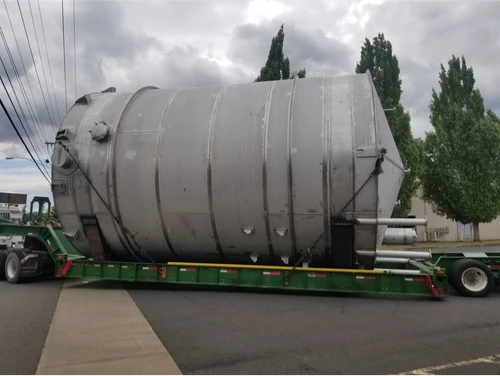
A vessel submission should identify manufacturer, serial number, year, type, orientation, nominal volume, shell diameter, overall dimensions, materials of construction, empty weight, design pressure, design temperature, corrosion allowance, lining, insulation, agitation, jacket, coil, nozzles, manways, supports, and applicable code markings.
Former service is essential to evaluation and safe handling. Identify the product or process material, concentration, operating temperature, pressure, last use, drainage, cleaning method, and whether residue may remain. Provide available safety data, cleaning certificates, inspection reports, thickness readings, repair records, and alteration documentation.
Photograph the shell, heads, seams, welds, nozzles, flanges, manways, supports, saddles, legs, ladders, platforms, agitator, drive, jacket, insulation, lining, and visible corrosion. Report dents, cracking, pitting, erosion, coating failure, missing internals, damaged nozzles, field modifications, and exposure to fire, freezing, flooding, or corrosive storage.
Large-vessel removal may require engineering review, crane planning, temporary supports, route preparation, permits, escorts, and specialized transportation. Provide verified dimensions and weight, lifting-point information, current support method, crane access, overhead clearance, building openings, yard conditions, trailer approach, and deadlines.
How Facility Liquidation Services Evaluate Commercial Potential
Commercial review considers manufacturer, model, age, specifications, materials, capacity, controls, completeness, operating history, condition, documentation, demand, quantity, location, schedule, and recovery cost. No single percentage of original cost or price per pound represents a mixed facility inventory accurately.
Book value, replacement value, and market value serve different purposes. Specialized machinery may be expensive when new but have limited demand outside its original process. Standard equipment may appeal to more buyers while competing with dealer inventory, auctions, and other closures. Obsolete controls, unknown service, contamination, missing components, or costly removal can reduce commercial interest.
Recovery costs include isolation, cleaning, disassembly, rigging, cranes, labor, permits, freight, storage, and schedule risk. A valuable asset in an accessible yard presents a different project from the same equipment installed behind active systems on an upper floor. Site constraints must be known before final terms are developed.
Accurate disclosure supports an efficient decision. Share known failures, diagnostics, repair estimates, missing components, last operation, storage conditions, process history, and removal restrictions. Do not erase alarms, conceal leakage, reinstall borrowed parts for photographs, or state that untested equipment works.
Complete Systems Require Dependency Mapping
A machine may depend on a control cabinet, transformer, hydraulic unit, chiller, dust collector, conveyor, feeder, platform, tooling package, or licensed program. Identify each dependency and whether it is included, shared, reserved, missing, or unavailable.
Inspection Does Not Equal Certification
A commercial inspection may verify identification, observed condition, completeness, and limited operation. It is not automatically a formal appraisal, mechanical certification, safety certification, pressure recertification, calibration, environmental clearance, or guarantee of future performance.
Written Terms Control Every Release
Before an asset leaves the property, written terms should identify equipment and serial numbers, included components, exclusions, represented condition, inspection, price, payment, taxes, ownership documents, cleaning, dismantling, rigging, loading, freight, insurance, schedule, and cleanup.
Facility Liquidation Services for Pipe and Bulk Inventory
Clearing documented pipe from a facility? Call 713-385-1333 with material, size, schedule, grade, quantity, traceability, condition, and loading access.
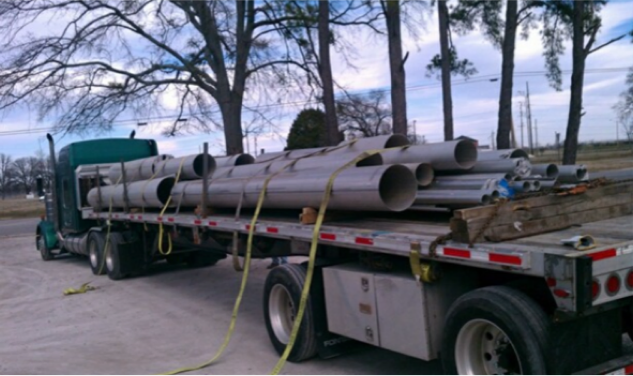
Pipe should be separated by material, nominal size, schedule or wall thickness, grade, specification, length, end preparation, seam type, coating, lining, heat number, and quantity. Do not combine carbon steel, stainless, alloy, plastic, lined, coated, new, used, and cut material into one estimated total.
Photograph markings, stencils, stamps, labels, packaging, ends, interiors, coatings, racks, and representative surfaces. Show corrosion, pitting, scale, dents, bends, flattened ends, thread damage, coating failure, contamination, field cuts, weld residue, and weather exposure. Link bundle photographs to an itemized count.
Available mill test reports, certificates, purchase records, heat numbers, inspection reports, dimensional checks, and storage history should accompany the inventory. Traceability may affect suitability for documented service. If records cannot be matched to specific pieces, disclose that limitation.
During facility liquidation services, bulk material can require more handling than its location suggests. Provide bundle dimensions, weights, rack position, crane or forklift capacity, loading surface, trailer access, site hours, and any requirement to band, cap, palletize, sort, or remove debris.
Planning the Facility Clearance
A practical plan starts with the final condition required by the owner, landlord, lender, or property buyer. “Clear the building” may mean removing movable equipment only, while another agreement may require disconnection, anchor removal, utility capping, foundation demolition, sweeping, waste disposal, or environmental documentation. Define the endpoint in writing.
Work sequencing should protect active operations and preserve asset value. Equipment used for production, maintenance, lifting, loading, lighting, compressed air, or temporary power may need to remain until late in the project. Coordinate release dates so a forklift, generator, or lift is not sold before it finishes supporting recovery.
Site safety requirements must be communicated to every party. Identify orientation, personal protective equipment, lockout procedures, utility isolation, hot-work permits, confined spaces, fall protection, traffic control, hazardous materials, security, emergency response, and contractor documentation. Only qualified personnel should disconnect, drain, clean, dismantle, lift, or load equipment.
Qualified opportunities across the United States may be reviewed when the asset mix and project support practical recovery. Distance alone is not decisive. Equipment value, quantity, dimensions, weights, contamination, dismantling, access, permits, route limits, schedule, labor, and freight availability must be considered together.
The Facility Liquidation Services Process
1. Establish the Approved Scope
Define included buildings, lines, rooms, systems, equipment, materials, and exclusions. Identify decision authority, ownership restrictions, site contacts, safety requirements, release dates, inspection windows, and the final completion deadline.
2. Build a Controlled Asset Register
Record reference number, manufacturer, model, serial number, tag, year, specifications, condition, location, ownership, and status. Connect photographs and documents to the same reference number.
3. Document Assets Before Shutdown
Photograph complete assemblies, plates, controls, meters, connections, tooling, spare parts, damage, and access routes. Capture safe operational evidence while utilities and trained personnel are available when appropriate.
4. Collect Records and Disclosures
Gather manuals, drawings, programs, maintenance logs, tests, inspections, cleaning records, repair invoices, titles, and lien releases. Document former use, faults, modifications, residue, missing parts, and unknowns.
5. Define Recovery Requirements
Provide dimensions, weights, utility status, floor level, access route, rigging needs, dock or yard conditions, work windows, insurance, permits, environmental requirements, and deadlines.
6. Request Commercial Review
Send the organized inventory through the Texas Global Resources contact page. Complete information helps determine whether specific assets fit current purchasing and recovery requirements.
7. Confirm Transaction and Removal Terms
If purchasing interest exists, document assets, serial numbers, included components, exclusions, condition, inspection, price, payment, ownership transfer, cleaning, dismantling, rigging, loading, freight, insurance, schedule, and cleanup.
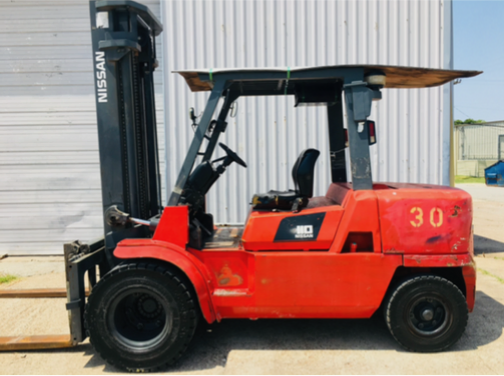
Facility Liquidation Services for Forklifts and Handling Equipment
Releasing a forklift near the end of a clearance project? Call or text 713-385-1333 with capacity, mast, power, hours, condition, attachments, and pickup details.
A forklift record should include manufacturer, model, serial number, year, rated capacity, load center, mast model, maximum fork height, lowered mast height, carriage width, fork length, side shift, attachments, tire type, operating weight, and hours. Use the original capacity plate because mast and attachment combinations can alter ratings.
For internal-combustion units, identify engine, fuel configuration, emissions information, and known starting, driving, steering, braking, and lifting behavior. For electric units, provide battery voltage, amp-hour capacity, age, charger model, charger input, connector, cable condition, observed runtime, and whether battery and charger are included.
Photograph mast channels, chains, rollers, cylinders, hoses, forks, carriage, overhead guard, counterweight, steer axle, tires, controls, restraint, lights, and engine or battery compartment. Show bent forks, leakage, worn chains, tire damage, cracked welds, missing guards, broken glass, warnings, and structural repair.
Because a forklift may remain essential for loading other assets, its release should be sequenced carefully. Confirm its final work date and disclose whether it starts, drives, steers, brakes, and lifts. Provide lowered height, weight, aisle and doorway clearance, dock access, ground condition, and loading resources.
Questions About Facility Liquidation Services
Can One Department Be Included?
Yes. A single production area, warehouse, maintenance shop, laboratory support area, or utility room may be submitted. Provide an asset register, photographs, ownership status, schedule, and removal conditions.
Can Disconnected or Non-Running Assets Be Reviewed?
Some disconnected, incomplete, or non-running equipment may warrant review. Explain the last operating date, known failure, diagnosis, missing components, storage environment, and safe recovery method.
Should Equipment Be Dismantled Before Review?
Document installed configuration before dismantling whenever practical. Premature disassembly may separate components, eliminate testing opportunities, remove identification, or complicate valuation and recovery planning.
Can an Entire Facility Be Submitted?
Yes, but every item may not qualify. A controlled inventory allows assets to be reviewed by specifications, condition, documentation, market demand, ownership, and recovery cost.
Is Testing Required?
Testing depends on equipment, records, safety, utilities, condition, and schedule. If a controlled demonstration is possible, document the date and operating conditions. Otherwise, describe the item accurately as untested or functional when removed.
Can Dismantling and Pickup Be Coordinated?
Recovery depends on value, location, dimensions, weights, contamination, access, rigging, permits, schedule, and freight. Final written terms must identify each party’s preparation, dismantling, loading, transport, and cleanup responsibilities.
What Supports a Faster Review?
A controlled asset register, readable plates, current photographs, accurate specifications, honest condition notes, maintenance records, proof of ownership, firm dates, and complete site-access information provide the strongest starting point.
Contact Texas Global Resources About Facility Liquidation Services
Industrial assets are easiest to evaluate while experienced personnel, identification plates, maintenance history, drawings, programs, tooling, spare parts, and test information remain connected to the correct equipment. Businesses seeking facility liquidation services should document the site before rapid disconnection and dismantling begin.
Texas Global Resources reviews qualified projects according to asset identification, specifications, condition, records, ownership, market demand, quantity, location, schedule, access, and recovery requirements. Commercial purchasing review is not a formal appraisal, mechanical certification, safety certification, environmental clearance, repair service, or rigging-engineering service.
To request facility liquidation services, provide the asset register, manufacturer, model, serial number, tag, year, ratings, materials, dimensions, weight, operating condition, former service, known deficiencies, included components, photographs, records, city and state, removal conditions, and project deadline.
Call or text 713-385-1333 about facility liquidation services, or submit a qualified facility inventory online.