
How Do I Sell Surplus Industrial Equipment From a Facility or Project?
Have identified industrial assets ready for review? Call or text Texas Global Resources at 713-385-1333.
If your organization is asking how do I sell surplus industrial equipment, begin by confirming ownership and building an accurate inventory before the assets are dismantled, moved, stripped, or mixed with disposal material. Texas Global Resources reviews qualified opportunities from manufacturers, contractors, distributors, industrial plants, commercial operators, project managers, and organizations handling upgrades, closures, canceled projects, warehouse reductions, or decommissioning work.
Industrial equipment cannot be evaluated from a short list such as “forklift, tank, valves, and welder.” Each asset needs the manufacturer, model, serial number, ratings, capacity, configuration, condition, operating history, documentation, location, and removal requirements that apply to its category. Current photographs of the actual equipment should show identification, overall condition, connections, accessories, and defects.
Starting early gives the seller time to recover manuals, drawings, maintenance records, inspection reports, keys, attachments, spare parts, and knowledgeable contacts. It also allows safe shutdown and removal responsibilities to be defined before a demolition deadline or lease turnover narrows the options. A well-organized submission is easier to review and less likely to create costly misunderstandings.
How Do I Sell Surplus Industrial Equipment by Asset Type?
Potential opportunities may include material-handling equipment, forklifts, skid steers, generators, welding machines, valves, pumps, motors, process vessels, tanks, heat exchangers, pipe, fittings, electrical equipment, machine tools, fabrication equipment, and selected production assets. Purchasing interest is asset-specific and depends on identification, condition, completeness, documentation, current demand, location, and logistics.
Businesses researching how do I sell surplus industrial equipment should sort assets by real function rather than describing everything as machinery. A pressure vessel needs design and inspection information. A forklift needs capacity, mast, fuel, hours, and service details. A control valve needs body, trim, size, class, material, actuator, and positioner data. Category-specific facts support category-specific decisions.
Material-Handling Equipment
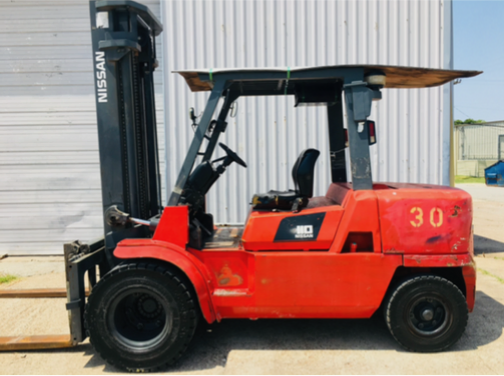
For forklifts, telehandlers, manlifts, scissor lifts, and skid steers, provide manufacturer, model, serial number, year, hours, fuel or power source, rated capacity, lift height or working height, attachments, tire condition, safety equipment, service history, fault codes, and current operating status.
Process Equipment
For tanks, vessels, exchangers, pumps, valves, and piping, provide manufacturer data, materials of construction, dimensions, pressure and temperature ratings, capacity, nozzle schedule, internals, drives, seals, lining, prior service, cleaning status, inspection records, and known contamination or damage.
Fabrication and Maintenance Equipment
For welders, generators, compressors, machine tools, and shop equipment, record manufacturer, model, serial number, output or capacity, voltage, phase, fuel, hours, tooling, controls, accessories, maintenance, repairs, and test history. State whether the equipment can be demonstrated safely or is disconnected and untested.
Electrical and Power Assets
For switchgear, transformers, breakers, motor control centers, panels, busway, wire, cable, and generators, provide exact nameplate ratings, configuration, protection, quantity, condition, drawings, test records, and electrical status. Qualified personnel must control de-energization, verification, lockout/tagout, and disconnection.
Build an Inventory Before Requesting an Offer
Create a separate row for each serialized asset and one row for each genuinely identical parts group. Include an inventory number, asset category, manufacturer, model, serial number, key ratings, capacity, quantity, condition, included accessories, documents, physical location, dimensions, weight, and photograph references. Do not combine unrelated equipment in a single “miscellaneous” line.
The most useful answer to how do I sell surplus industrial equipment begins with inventory discipline. Mark assets that must remain in service, support temporary operations, belong to a tenant or utility, are leased or financed, or have not been approved for release. The sale list should contain only property that the authorized owner can legally transfer.
Use Exact Manufacturer Data
Copy model, serial, style, catalog, order, and date information exactly as printed. Photograph plates in clear light and from a readable angle. Disclose missing, painted-over, damaged, altered, or unreadable identification. Never assign a model from a similar online picture.
Separate Equipment by Condition
Use supportable categories such as new unused project surplus, installed but never operated, used and operating when removed, used and untested, professionally rebuilt with records, incomplete, damaged, and parts-only. Do not mix several conditions under broad labels like “good” or “ready to run.”
Connect Photographs to Inventory Numbers
Take an overall view, every side, nameplate, control panel, drive, connections, attachments, wear areas, packaging, and defects. Rename the files or use visible tags so each photograph connects to the correct inventory row. Representative photographs should not replace actual images of every distinct model and condition group.
Add Records While They Are Available
Attach manuals, drawings, data sheets, preventive-maintenance history, repair invoices, inspection certificates, calibration records, load tests, oil analysis, pressure records, emissions documents, and decommissioning information. Each report should identify the exact asset and date.
Confirm Ownership and Authority to Sell
Before marketing or releasing equipment, identify the legal owner and authorized seller. Exclude active, leased, financed, consigned, rented, customer-owned, insurer-controlled, disputed, recalled, counterfeit, environmentally restricted, or reserved assets until the relevant authority and disclosure requirements are resolved.
At a facility closure, equipment ownership may not follow physical location. The landlord may own building systems, a utility may own power equipment, a lender may hold a security interest, a contractor may own temporary assets, and a customer may own dedicated tooling. Review contracts, fixed-asset records, tags, and project documents rather than assuming everything inside the fence belongs to the operator.
Companies asking how do I sell surplus industrial equipment should also identify who can approve inspection, photography, shutdown, dismantling, loading, and final release. Written internal authorization helps prevent an equipment list from changing after a buyer has planned labor and transportation.
How Do I Sell Surplus Industrial Equipment Such as Tanks and Vessels?
Have an identified tank or vessel available? Call 713-385-1333 with design data, condition, prior service, dimensions, and loading details.
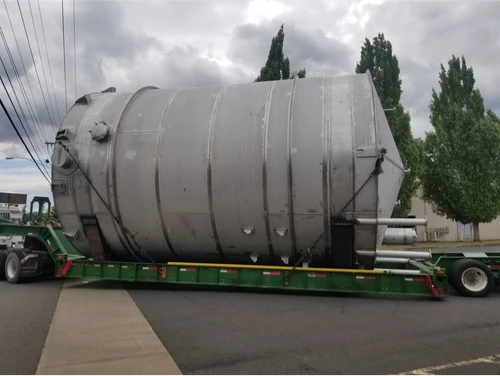
Process vessels require more than estimated gallon capacity. Provide manufacturer, serial number, national board number when applicable, year built, materials of construction, design pressure, design temperature, working capacity, dimensions, wall or head information when documented, nozzle schedule, internals, jacket, agitation, lining, supports, and total weight.
Photograph the data plate, complete shell, heads, nozzles, manways, agitator, motor, gearbox, controls, jacket connections, supports, insulation, lifting points, and accessible interior only when entry is authorized and safe. Show corrosion, pitting, dents, cracks, repairs, leaks, missing components, damaged lining, and altered nozzles directly.
When deciding how do I sell surplus industrial equipment from a process area, disclose prior service and cleaning status. Identify the last product, known residues, hazards, decontamination method, confined-space status, environmental requirements, and available cleaning records. Do not advertise equipment as clean, food grade, sanitary, or free of regulated material without support.
Removal planning should address isolation, draining, purging, decontamination, permits, cutting restrictions, weight, center of gravity, lifting points, crane position, overhead clearance, route, structural openings, trailer configuration, and restoration. A vessel can have strong equipment characteristics yet present an impractical opportunity if safe removal cannot be defined.
Describe Operating Condition Honestly
State the latest credible operating status and the source of that knowledge. “Running when removed” should mean someone with direct knowledge can support the statement. It does not prove that the machine currently meets original tolerances, safety requirements, production rate, pressure integrity, emissions limits, or future application needs.
Disclose abnormal noise, vibration, leaks, overheating, fault codes, control problems, safety-device issues, collision, overload, flood, fire, chemical exposure, corrosion, contamination, missing guards, bypassed interlocks, cracked castings, worn bearings, damaged hydraulics, cut wiring, and unauthorized modifications.
Sellers learning how do I sell surplus industrial equipment should avoid repairing, painting, energizing, pressurizing, or operating questionable assets solely to improve an inquiry. Submit the current condition, diagnostic findings, repair estimates, and records first. Unverified work may add uncertainty instead of value.
Testing Should Match the Equipment
A credible test report identifies the asset, date, provider, procedure, readings, repairs, and unresolved findings. A brief startup video may show that a machine powered on at one moment, but it does not replace load testing, inspection, calibration, pressure testing, electrical testing, or other qualified evaluation when those are relevant.
Reconditioned Claims Need Documentation
If equipment is described as rebuilt, remanufactured, or reconditioned, provide the company that performed the work, completion date, scope, components replaced, measurements, tests, findings, and written warranty. Cleaning or repainting alone does not establish reconditioning.
Storage Can Change Condition
Report storage location, duration, weather protection, preservation steps, battery maintenance, fluid status, shaft rotation, desiccant, sealed openings, tire support, and exposure to moisture, heat, freezing, dust, salt, pests, or chemicals. Take current photographs rather than relying on images from removal day.
How Do I Sell Surplus Industrial Equipment Used for Welding and Fabrication?
Have welding or fabrication equipment ready for review? Call or text 713-385-1333 with model, output, hours, condition, and accessories.
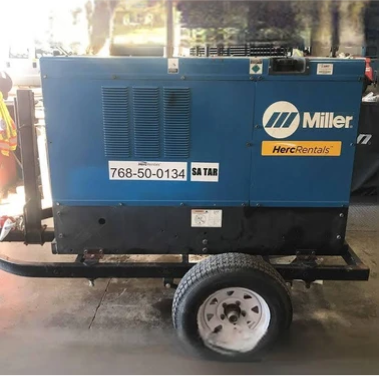
For an engine-driven welder, record manufacturer, model, serial number, year, welding output, duty cycle, process capabilities, generator output, engine manufacturer and model, fuel type, hours, control panel, leads, feeder, remote, trailer, enclosure, battery, service history, and current operating status.
For shop welders, positioners, manipulators, plasma systems, cutting tables, and related equipment, identify input voltage, phase, output, capacity, dimensions, controls, software or licenses when transferable, torch or head, fixtures, extraction equipment, tooling, and included spares. Separate rented gas cylinders or customer-owned fixtures from the sale inventory.
A business asking how do I sell surplus industrial equipment should show both the machine and its accessories. Photograph front and rear panels, connectors, cables, leads, feeders, remotes, torches, engine compartment, hours display, trailer identification, tires, hitch, safety chains, and visible damage. List components individually rather than using “everything included.”
If the equipment can be demonstrated, qualified personnel should operate it under safe conditions and within site rules. A video can document startup, controls, display, output under an appropriate test, and shutdown, but it should not conceal alarms, smoke, leaks, noise, unstable operation, or missing guards.
How Site Logistics Affect an Industrial Equipment Sale
Location and access can change the practical result as much as equipment condition. Provide city and state, building or yard location, floor level, dimensions, verified or documented weight, center of gravity when known, doorway and aisle clearance, floor capacity, overhead restrictions, dock access, forklift or crane availability, site hours, security rules, insurance requirements, and removal deadline.
The answer to how do I sell surplus industrial equipment should distinguish equipment purchase from removal services. Clarify who disconnects utilities, drains fluids, decontaminates process assets, removes anchors, supplies rigging, cuts permitted connections, packages accessories, loads trucks, transports equipment, cleans debris, and restores openings.
Photograph the complete route from the asset to the loading point. Include stairs, turns, gates, ramps, soft ground, overhead lines, low doors, congested production areas, and nearby equipment that must remain protected. Old installation drawings may help, but field conditions require verification.
Qualified Personnel Control Isolation
Electrical, hydraulic, pneumatic, steam, gas, fuel, chemical, and process energy must be isolated according to site requirements by qualified parties. Lockout/tagout, testing, purging, grounding, draining, and confined-space controls cannot be improvised for a sales inspection.
Rigging Requires Verified Data
Use documented weights when possible and confirm approved lifting points. Do not lift from guards, piping, radiators, valve handwheels, cabinet panels, or other points not designed for the load. The rigging plan should reflect the actual equipment, route, crane or forklift capacity, trailer, and ground conditions.
How Do I Sell Surplus Industrial Equipment Such as Control Valves?
Have identified valves, actuators, or positioners? Call 713-385-1333 with complete tag data and condition photographs.
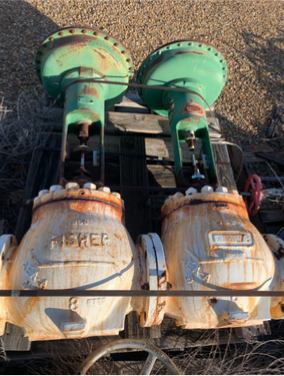
Industrial valves should be sorted by manufacturer, type, model, size, pressure class, body material, end connection, trim, flow characteristic, actuator, fail position, bench range, positioner, accessories, serial number, and condition. Preserve body markings, actuator plates, and instrument tags.
Photograph the valve body, bonnet, flanges or ends, stem, actuator, positioner, solenoids, air set, tubing, tags, and damage. Show corrosion, erosion, cracked castings, bent stems, missing handwheels, cut tubing, damaged diaphragms, broken instruments, seized parts, removed trim, and field modifications.
Companies researching how do I sell surplus industrial equipment should not promise that a valve is suitable for a new service because it handled a similar product previously. Material compatibility, pressure-temperature limits, trim, leakage class, sizing, actuator thrust, controls, and application requirements need independent verification.
Report prior process service, removal reason, cleaning, preservation, storage, repairs, and test records. If a valve has not received qualified inspection or testing after removal, describe it as used and untested. Do not cycle, pressurize, disassemble, or apply shop air without appropriate controls and authorization.
Requesting and Comparing Purchase Offers
Submit the same accurate inventory, photographs, condition, documents, location, and deadline to each qualified party. Comparable information produces more meaningful proposals. Changing quantities, concealing damage, or including assets that are not authorized for sale creates avoidable risk.
Written offers should identify exact assets, quantities, included attachments, spare parts, exclusions, represented condition, inspection rights, price, payment method and timing, taxes, title transfer, dismantling, rigging, loading, transportation, schedule, site requirements, and responsibility if field conditions differ.
For someone determining how do I sell surplus industrial equipment, the best commercial outcome is not necessarily the largest gross number. Compare deductions, labor, crane costs, packaging, transport, schedule certainty, payment terms, site risk, and restoration obligations to understand the net result.
Verify Payment Before Release
Confirm cleared payment through established business channels and verify the identity of the carrier or removal team. Do not release equipment based only on an emailed payment image, unexplained overpayment, request to forward funds, or an unverified last-minute change in pickup instructions.
Document What Leaves the Facility
Use serial numbers, inventory references, photographs, packing lists, signed releases, carrier information, and quantities to record the assets removed. Mark retained and excluded equipment so nearby property is not loaded by mistake.
A Practical Process for Selling Surplus Industrial Equipment
1. Identify the Authorized Sale List
Confirm ownership and approvals. Separate active, leased, financed, customer-owned, restricted, disputed, or reserved property before photographs or offers are circulated.
2. Build a Line-by-Line Inventory
Record manufacturer, model, serial number, specifications, capacity, quantity, condition, accessories, dimensions, weight, location, and inventory reference for each asset or exact group.
3. Photograph the Actual Equipment
Capture all sides, data plates, controls, drives, connections, attachments, wear points, packaging, storage, and defects. Connect every photograph to its inventory row.
4. Add Operating History and Records
Provide former application, last operation, removal reason, maintenance, repairs, inspections, testing, faults, contamination, storage, manuals, drawings, and certificates.
5. Define Access and Deadline
Describe utilities, isolation status, floor level, travel route, dimensions, weight, lifting resources, dock conditions, site rules, release dates, and removal deadline.
6. Submit a Qualified Opportunity
Send the organized package through the Texas Global Resources contact page. Complete information helps determine whether the assets fit current purchasing requirements.
7. Confirm Scope and Payment
If purchasing interest exists, review the asset schedule, price, payment, inspection, removal work, transportation, schedule, ownership transfer, and site responsibilities in writing before release.
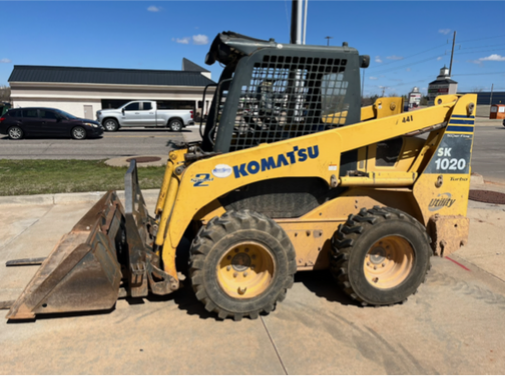
How Do I Sell Surplus Industrial Equipment Such as Skid Steers?
Have mobile equipment ready for review? Call or text 713-385-1333 with model, serial number, hours, attachments, and condition.
For a skid steer or compact track loader, provide manufacturer, model, serial number, year, engine, fuel, hours, rated operating capacity, lift path, auxiliary hydraulic information, cab configuration, controls, tires or tracks, bucket, forks, attachments, service history, and current operating condition.
Photograph all sides, serial plate, hour meter, engine compartment, hydraulic connections, cylinders, arms, pins, coupler, bucket or attachment, tires or tracks, cab, seat, controls, warning lights, guards, and damage. Disclose leaks, smoke, overheating, fault codes, worn pins, cracked welds, damaged tires, track wear, broken glass, missing safety equipment, and collision history.
A seller asking how do I sell surplus industrial equipment should confirm whether attachments are owned, compatible, and included. List each bucket, fork frame, auger, sweeper, grapple, or other attachment separately with manufacturer, model, width, connection, condition, and photographs.
State whether the machine starts, travels, steers, lifts, tilts, and operates attachments, but demonstrate only under qualified control and safe site conditions. A brief demonstration does not replace mechanical inspection, fluid analysis, pressure testing, or evaluation of hidden wear.
Frequently Asked: How Do I Sell Surplus Industrial Equipment?
Can I Submit One Machine?
One qualified asset may warrant review when its identity, specifications, condition, documentation, ownership, location, and logistics fit current purchasing needs. Provide the complete data plate and current photographs.
Can Nonoperating Equipment Be Considered?
Some nonoperating, incomplete, or parts equipment may be considered. State the known failure, diagnosis, missing components, repair history, storage, and loading needs. Do not conceal problems or perform unsafe troubleshooting.
Should I Clean or Repair Equipment First?
Basic safe housekeeping may improve photographs, but do not pressure wash sensitive components, paint over evidence, dismantle equipment, or authorize major repairs solely for a preliminary review. Submit current condition and existing findings first.
Can Installed Equipment Be Reviewed?
Qualified installed assets may be reviewed when the owner supplies safe photographs, data, condition, utility status, access, planned shutdown, removal scope, and deadline. Inspection must respect energized systems, process hazards, and site rules.
Can Equipment Across the United States Be Submitted?
Qualified opportunities in the United States may be considered. Provide city and state, quantity, dimensions, weight, access, loading resources, site requirements, release dates, and transportation details.
Can Pickup or Removal Be Included?
Pickup or removal depends on asset value, quantity, condition, location, weight, utilities, access, hazards, rigging, schedule, and freight. Every responsibility should be documented before work begins.
What Produces a Faster Review?
An itemized inventory, readable data plates, current photographs, honest condition notes, service records, ownership confirmation, dimensions, weight, access details, and a realistic deadline provide the strongest starting point.
Contact Texas Global Resources: How Do I Sell Surplus Industrial Equipment?
If you are working through how do I sell surplus industrial equipment, protect the information that makes every asset understandable. Inventory equipment before dismantling, retain manuals and records, photograph nameplates and defects, identify accessories, confirm ownership, and document the removal path.
Texas Global Resources reviews qualified opportunities according to manufacturer, model, specifications, quantity, condition, completeness, documentation, ownership, current demand, location, labor, freight, schedule, and recovery requirements. Not every submission will fit current acquisition needs, and no offer should be assumed before review.
For a direct response to how do I sell surplus industrial equipment, prepare the asset list, manufacturers, models, serial numbers, ratings, capacities, quantities, condition, photographs, records, city and state, dimensions, weights, access, utilities, and release date.
Call or text 713-385-1333 when asking how do I sell surplus industrial equipment, or request an industrial equipment review online.