

Electrical Surplus Buyer for New, Used, and Obsolete Equipment
Turn idle electrical equipment into a direct sales opportunity. Call or text 713-385-1333.
An experienced electrical surplus buyer can turn idle electrical inventory into working capital without forcing your team to manage individual listings, repeated buyer inquiries, freight coordination, or scrap-only pricing. Texas Global Resources purchases new, used, unused, excess, and obsolete electrical materials from industrial facilities, electrical contractors, construction companies, maintenance departments, warehouses, and other organizations. If equipment is taking up space after a completed project, facility upgrade, shutdown, inventory reduction, or change in specifications, our team can evaluate what you have and provide a direct purchase offer.
Our buying focus includes circuit breakers, switchgear, transformers, electrical wire and cable, fittings, controls, and other commercial or industrial electrical components. We consider individual items as well as large mixed inventories. The condition, manufacturer, model, quantity, specifications, completeness, and current secondary-market demand all influence value, which is why a careful review is more useful than treating every item as undifferentiated scrap.
Texas Global Resources serves sellers across the United States from its base in South Houston, Texas. We can come to the seller’s location, inspect the available assets, present an offer, coordinate transportation, and pay before accepted items are loaded. To discuss an available inventory, call or text 713-385-1333, or use the Texas Global Resources contact form to request an evaluation.
What an Electrical Surplus Buyer Purchases
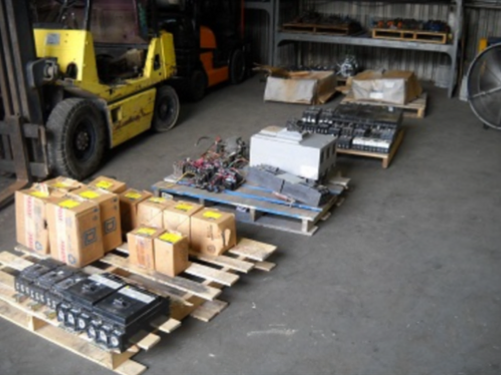
Electrical inventories rarely arrive as one perfectly organized group of identical products. A surplus room may contain unopened material from a cancelled project, serviceable components removed during an upgrade, older equipment retained as emergency stock, and miscellaneous parts that no longer match the facility’s installed systems. Texas Global Resources reviews the inventory as it actually exists and identifies the items that may still have commercial value.
Products considered for purchase may include:
- Molded-case, insulated-case, air, vacuum, and other circuit breakers
- Low-voltage and medium-voltage switchgear
- Switchboards, panelboards, disconnects, and distribution equipment
- Dry-type, liquid-filled, distribution, and other transformers
- Electrical wire, power cable, control cable, and specialty cable
- Motor control centers, starters, contactors, relays, and controls
- Busway, bus duct, conduit, fittings, enclosures, and junction boxes
- Fuses, safety switches, transfer switches, and protective devices
- Generators, motors, drives, and related electrical equipment
- New old stock, discontinued parts, spare equipment, and project overages
This list is not a guarantee that every product can be purchased. Equipment must be reviewed individually because resale demand, age, condition, specifications, storage history, documentation, and quantity can materially change its marketability. Clear photographs and an accurate inventory list allow the buyer to identify the most promising items before arranging the next step.
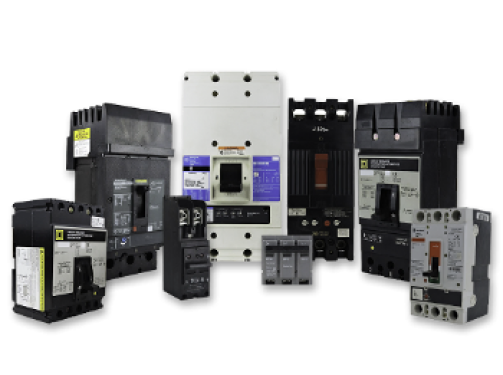
Electrical Surplus Buyer for Circuit Breakers
Have breakers ready for review? Call or text 713-385-1333 with the manufacturer, model, quantity, and condition.
Circuit breakers can retain value when the manufacturer, frame, amperage, interrupting rating, trip unit, mounting style, and condition are identifiable. Breakers stored as emergency spares may be especially useful when they support equipment that remains installed in factories, commercial buildings, processing facilities, or other operating properties. Even discontinued models may have demand when replacement options are limited.
When submitting breakers, photograph the front, side, rear connections, mounting hardware, trip unit, and complete nameplate. State whether each breaker is new, unused, rebuilt, removed from service, or untested. Avoid cleaning away labels or separating a breaker from accessories that belong with it. Accurate identification helps an electrical surplus buyer distinguish a reusable unit from one whose value may be limited to parts or material recovery.
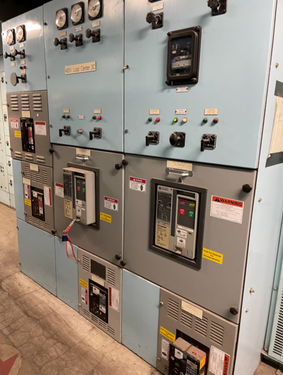
Electrical Surplus Buyer for Switchgear and Distribution Equipment
Request a review of complete switchgear lineups and distribution equipment at 713-385-1333.
Switchgear requires more detail because it may consist of interconnected sections with specific ratings, breakers, controls, relays, bus configurations, and enclosure types. A useful submission includes wide photographs of the complete lineup, close images of every nameplate, the number of sections, voltage and amperage ratings, breaker details, indoor or outdoor designation, and information about why the equipment became available.
Do not dismantle a complete lineup before requesting an evaluation unless site conditions require it. A complete assembly with matching components and documentation may be easier to understand and market than disconnected pieces with uncertain relationships. If the gear has already been removed, keep associated breakers, doors, panels, hardware, drawings, and controls together whenever practical.
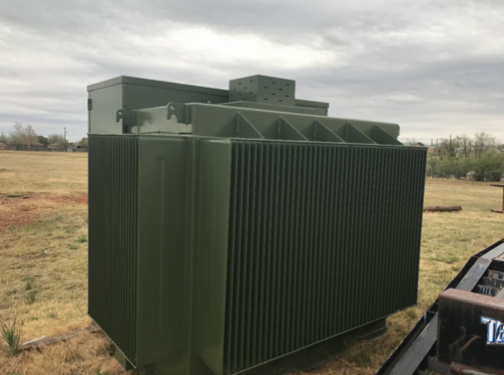
Electrical Surplus Buyer for Transformers
Send the transformer nameplate, ratings, condition, and location by starting with a call or text to 713-385-1333.
Transformer evaluations depend on characteristics such as manufacturer, kVA rating, primary and secondary voltage, phase, frequency, impedance, enclosure, temperature rise, cooling method, taps, and overall condition. For liquid-filled units, the type and status of the insulating fluid may also affect handling and marketability. Sellers should disclose leaks, impact damage, missing covers, exposure to weather, unusual noise before removal, or any known testing history.
A clear nameplate photograph is essential. Photos should also show the full exterior, terminals, enclosure, base, lifting points, and any visible damage. If test reports, drawings, manuals, or maintenance records are available, keep them with the transformer. Documentation can answer questions that photographs alone cannot resolve.
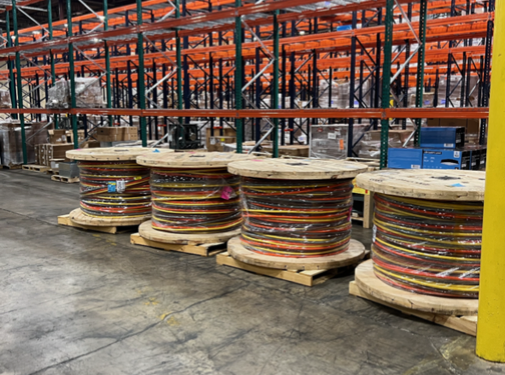
Electrical Surplus Buyer for Wire, Cable, and Fittings
To discuss labeled reels, boxed fittings, or project overages, call or text Texas Global Resources at 713-385-1333.
Unused wire and cable may have more value when it remains on labeled reels or in original packaging. Useful information includes conductor material, conductor count, gauge or size, voltage rating, insulation type, manufacturer, approximate remaining length, reel condition, and storage environment. If exact footage is unknown, identify the original reel length and provide the best supportable estimate rather than presenting a guess as a verified measurement.
Fittings, conduit accessories, connectors, enclosures, and related materials are easier to assess when organized by type and size. Original boxes, legible labels, consistent quantities, and dry storage can improve the efficiency of the review. Mixed bins can still be considered, but sorting enough material to show representative products helps establish what the inventory contains.
Why Work With an Electrical Surplus Buyer Instead of Scrapping Everything?
Scrap processing is appropriate for material that cannot be safely or economically reused. It should not automatically be the first valuation method for every electrical asset. A functioning breaker, identifiable transformer, complete switchgear section, or unused reel of cable may have utility beyond its metal content. Treating reusable equipment as scrap can erase the value associated with its design, manufacturing, ratings, compatibility, and availability.
An electrical surplus buyer considers whether equipment has demand as equipment. The review may separate an inventory into reusable products, parts candidates, specialty-metal items, and ordinary scrap. This does not mean every obsolete item has a premium value, but it gives potentially marketable equipment a more informed review before the final disposition decision is made.
Working with a direct buyer can also reduce internal labor. Selling items one at a time may require employees to research model numbers, create listings, respond to inquiries, negotiate multiple transactions, package freight, and handle unsuccessful buyers. A direct purchase can consolidate those tasks into one organized evaluation, one agreement, and one removal plan.
When to Contact an Electrical Surplus Buyer
The best time to request an evaluation is before useful equipment becomes damaged, separated from its documentation, exposed to weather, or mixed into an unidentified scrap pile. Early contact gives both parties more time to identify the inventory, determine access requirements, and organize an efficient removal.
Common situations include:
- Project closeout: Specifications changed or ordered quantities exceeded what the project ultimately required.
- Facility modernization: Existing breakers, transformers, controls, or distribution equipment were removed during an upgrade.
- Preventive-maintenance review: A storeroom contains spare components for systems that are no longer installed.
- Warehouse consolidation: Multiple locations are combining inventory and need to remove duplicate or inactive stock.
- Plant shutdown or decommissioning: Electrical equipment must be identified and removed within an established project schedule.
- Contractor inventory reduction: A contractor has accumulated overages, cancelled-order materials, or parts left from completed work.
- Business relocation: Heavy or bulky electrical assets are not needed at the new facility.
- Estate or ownership transition: Decision-makers need an orderly way to evaluate specialized commercial inventory.
If removal is tied to a construction, decommissioning, lease, or access deadline, disclose that date at the beginning. Scheduling expectations can affect inspection, transportation, equipment preparation, and the scope of an offer.
How the Electrical Surplus Buyer Process Works
Start an equipment evaluation and removal discussion by calling or texting 713-385-1333.
Texas Global Resources aims to make the process direct and understandable. The exact steps may change with the size and complexity of the inventory, but a typical transaction follows the sequence below.
1. Submit the Electrical Surplus Inventory
Begin with a written list, photographs, spreadsheet, equipment schedule, or other record describing what is available. Include manufacturers, catalog numbers, ratings, quantities, condition, location, and the desired removal timeline. If the inventory is large, organize it by equipment type or facility area so the buyer can review it efficiently.
Do not delay contact merely because the list is incomplete. Representative photographs and a preliminary count can establish whether the material fits the company’s buying focus. Additional information can then be requested for the items most likely to influence the offer.
2. Complete the Electrical Surplus Buyer Review
The buyer examines the information to determine whether an on-site evaluation or additional remote documentation is appropriate. Important factors include identifiable specifications, apparent condition, quantity, location, handling requirements, and secondary-market demand. Large lineups, heavy transformers, mixed warehouses, and time-sensitive removals may require a more detailed site review.
An evaluation is not the same as electrical certification. Unless testing is specifically documented, used equipment should not be represented as tested or guaranteed. Honest condition descriptions protect both parties and help prevent delays caused by expectations that do not match the physical inventory.
3. Receive and Review the Purchase Offer
After the relevant assets are reviewed, Texas Global Resources can present an offer for the accepted inventory. The offer should be compared with its stated scope: which items are included, whether transportation is included, who is responsible for loading or rigging, when removal will occur, and what site conditions must be met.
For substantial transactions, both parties should use a written purchase agreement or bill of sale. The document should identify the seller, buyer, assets, price, payment terms, removal responsibilities, and any excluded items. Serial numbers or equipment schedules can be attached when individual identification matters.
4. Arrange Payment, Loading, and Transportation
Texas Global Resources states that it provides transportation and pays in advance before purchased items are loaded. The specific method and timing should be confirmed in writing for each transaction. The seller should verify cleared payment through its own financial institution and confirm that personnel arriving at the site match the agreed removal plan.
Before loading begins, review access routes, loading areas, dock or crane requirements, working hours, personal protective equipment, security procedures, and site-specific safety rules. Equipment should not be energized or disconnected by unqualified personnel. The seller remains responsible for following its own facility controls, lockout procedures, ownership requirements, and applicable regulations.
What Determines an Electrical Surplus Buyer Offer?
There is no responsible universal price-per-item formula for mixed electrical surplus. Two products that look similar may have very different specifications, condition, completeness, demand, and transportation costs. An informed offer weighs the entire transaction rather than relying on age or original purchase price alone.
Manufacturer and Identifiable Specifications
Complete manufacturer information and legible catalog numbers make equipment easier to research. Voltage, amperage, phase, interrupting rating, kVA, enclosure type, trip configuration, and other technical details may define whether an item meets a current buyer’s need. Missing nameplates or altered identifiers introduce uncertainty and can reduce marketability.
Condition and Storage History
New equipment in original packaging is different from equipment that was installed, removed, stored outdoors, or exposed to moisture. Visible corrosion, broken insulation, impact damage, missing covers, cut conductors, oil leaks, contamination, or incomplete assemblies can affect both usefulness and handling. Sellers should disclose known defects rather than attempting cosmetic changes that conceal condition.
Quantity and Inventory Consistency
A well-documented group of matching products can be more efficient to evaluate and move than scattered unidentified pieces. Large quantity alone does not guarantee greater value, but organized quantities can reduce sorting and transaction costs. Mixed inventories may still be attractive when they include enough identifiable commercial equipment to support transportation and handling.
Current Demand and Obsolescence
Obsolete does not always mean worthless. Some discontinued components remain useful because corresponding systems are still operating. Other products may have little demand because technology, safety expectations, codes, or available replacements have changed. Market demand is specific to the model and application, so the original invoice price is not a reliable statement of current value.
Location, Access, and Transportation
Distance, total weight, loading access, required equipment, labor, packaging, and removal deadlines all affect the economics of a purchase. A compact pallet of breakers and a multi-section switchgear lineup require different plans. Accurate access information helps an electrical surplus buyer build realistic logistics into the offer rather than discovering major constraints after an agreement is reached.
How to Prepare Equipment for an Electrical Surplus Buyer
Preparation does not need to be complicated. The goal is to make the assets identifiable and accessible without damaging them or creating unnecessary work.
- Create a basic inventory with manufacturer, model, quantity, ratings, and stated condition.
- Take clear photographs of complete items and every available nameplate.
- Keep matching breakers, controls, doors, hardware, manuals, and drawings together.
- Separate new inventory from used, damaged, or untested inventory.
- Protect equipment from rain, standing water, dust, impacts, and unauthorized parts removal.
- Identify heavy items, approximate dimensions, and known loading limitations.
- Confirm that the seller owns the equipment and has authority to sell it.
- Explain site access, safety orientation, scheduling, and security requirements.
Avoid cutting cables, removing valuable components, discarding documentation, painting over labels, or combining unrelated parts before the review. If the assets must be disconnected, moved, or prepared for a construction deadline, use properly qualified personnel and document the equipment before work begins.
Why Choose Texas Global Resources as Your Electrical Surplus Buyer?
Texas Global Resources focuses on turning idle industrial assets into a direct sale. The company purchases electrical surplus alongside valves, machinery, pumps, motors, process equipment, and specialty metals, which can be useful when a facility has more than one category to clear. Sellers do not have to force a mixed plant or warehouse inventory into a single scrap classification.
The company’s stated service advantages include:
- Consideration of new, used, obsolete, and excess inventory
- Purchases from small contractors and large industrial operations
- On-site evaluations when appropriate
- Offers based on the reviewed inventory
- Transportation coordination
- Payment before purchased material is loaded
- Nationwide purchasing capability
- Experience with electrical and broader industrial equipment
These services are designed to shorten the distance between identifying unwanted inventory and completing its removal. Sellers can learn more about the company’s background on the Texas Global Resources About page or begin directly with an inventory submission.
Electrical Surplus Buyer Questions From Sellers
Does an electrical surplus buyer purchase used equipment?
Yes, Texas Global Resources considers both new and used electrical equipment. Used items should be accurately described, and any known damage, missing components, testing limitations, or storage exposure should be disclosed. A purchase decision depends on the specific equipment and current demand rather than the used designation alone.
Can I sell obsolete or discontinued electrical parts?
Obsolete and discontinued items can be submitted for review. Some older products remain useful as replacement equipment for systems that are still in operation. Others may have limited demand. Manufacturer information, model numbers, ratings, photographs, quantity, and condition are necessary to determine whether a direct purchase is practical.
Will an electrical surplus buyer consider a small quantity?
Texas Global Resources states that it works with both large and small quantities. Whether a particular group can be purchased depends on its type, value, location, condition, and transportation requirements. A few specialized breakers may justify review, while a larger quantity may be necessary for common low-value material.
Do I need a complete inventory before requesting an offer?
A complete list is helpful but not always required for the first conversation. Start with representative photographs, available model numbers, estimated quantities, location, and the removal deadline. The buyer can identify what additional information is needed after reviewing the initial submission.
Can an electrical surplus buyer handle mixed industrial inventory?
Texas Global Resources also considers machinery, valves, pipe fittings, pumps, motors, oilfield equipment, process equipment, and certain metals. A mixed inventory should be grouped by category and clearly photographed. Not every item will necessarily qualify, but presenting the complete scope can support a more efficient review and removal plan.
Who handles transportation?
Texas Global Resources states that transportation is included in its purchasing service. The written offer should still clarify who provides loading labor, rigging, packaging, trailers, permits, and any specialized equipment. Site access and safety requirements should be agreed upon before the removal date.
When does the seller receive payment?
The company states that it pays in advance before accepted equipment is loaded. The exact payment method, legal buyer name, timing, and verification procedure should be included in the transaction documents. Sellers should confirm receipt through their own bank before releasing purchased property.
What photographs should I send?
Send a full view of each equipment type, close photographs of manufacturer labels and nameplates, connection points, interiors when safely accessible, packaging, quantities, and visible damage. For large inventories, include wide views that show how the material is stored and whether forklifts, docks, cranes, or other loading resources may be necessary.
Request an Offer From an Electrical Surplus Buyer
Electrical equipment should not remain forgotten in a storeroom until labels disappear, moisture damages insulation, components are separated, or a deadline forces a rushed disposal. A timely review can identify which assets deserve consideration as usable equipment and which items are better handled through other recovery channels.
Contact Texas Global Resources when you have breakers, switchgear, transformers, wire, cable, fittings, controls, distribution equipment, or a mixed industrial inventory ready for evaluation. Provide photographs, nameplate information, quantities, condition, pickup location, and the preferred removal schedule. The clearer the submission, the faster the team can determine the appropriate next step.
Call or text 713-385-1333 to speak with an electrical surplus buyer, or request an offer through the contact page. Texas Global Resources can review the available assets, discuss the purchase scope, coordinate transportation, and provide payment before accepted equipment is loaded.