
Nationwide Electrical Surplus Buyer for Industrial Sellers
Call or text 713-385-1333 to submit breakers, switchgear, transformers, wire, and related electrical inventory.
A nationwide electrical surplus buyer gives businesses a direct way to sell marketable electrical equipment without limiting the transaction to a nearby buyer or local scrap outlet. Texas Global Resources reviews new, used, unused, obsolete, and excess electrical assets from verified owners across the United States. Sellers may include industrial plants, electrical contractors, construction companies, commercial facilities, utilities, maintenance departments, warehouses, distributors, and organizations completing shutdowns or equipment upgrades.
Electrical equipment can become surplus after specifications change, projects end, production lines close, facilities modernize, or spare-parts programs are reduced. The inventory may contain unopened material, serviceable equipment removed during a planned upgrade, older emergency spares, and incomplete items with limited demand. Each group must be identified and evaluated on its own facts rather than assigned one scrap value.
Texas Global Resources considers manufacturer, model, ratings, condition, quantity, completeness, documentation, market demand, pickup location, access, weight, and transportation requirements. To contact a nationwide electrical surplus buyer, call or text 713-385-1333 or send inventory details through the Texas Global Resources contact form.
What a Nationwide Electrical Surplus Buyer Considers
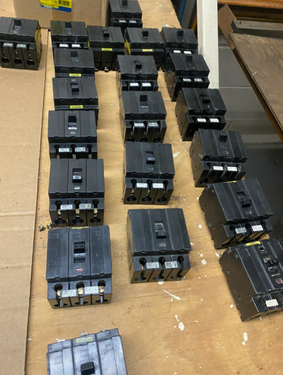
Electrical surplus is a broad category, but a commercial review depends on specific identification. A photograph of a pallet or equipment room may establish the approximate scope; it does not reveal the electrical ratings and configuration that determine whether an item can serve another application. Sellers receive a more useful response when they provide labels, nameplates, model numbers, quantities, and accurate condition information.
Common categories submitted for review include:
- Molded-case, insulated-case, air, and other circuit breakers
- Switchgear, switchboards, distribution sections, and panel equipment
- Dry-type and liquid-filled transformers
- Electrical wire, cable, reels, and project overages
- Disconnects, starters, contactors, relays, and controls
- Busway, enclosures, fittings, and distribution accessories
- Generators and selected power-distribution equipment
- Mixed electrical storeroom and warehouse inventories
Submission does not guarantee a purchase offer. Age, specifications, damage, missing parts, testing limitations, code changes, storage conditions, location, and demand can affect marketability. A responsible nationwide electrical surplus buyer reviews these factors before defining accepted property and transportation scope.
Nationwide Electrical Surplus Buyer for Circuit Breakers
Call or text 713-385-1333 with breaker manufacturers, model numbers, ratings, quantities, and condition.
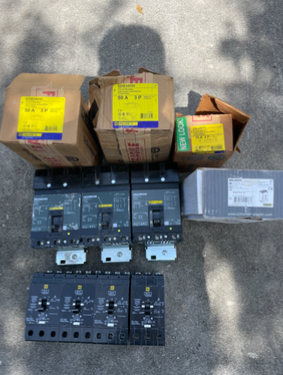
Circuit breakers must be identified beyond basic amperage. Useful information includes manufacturer, series, catalog number, frame, trip rating, interrupting rating, voltage, poles, trip unit, sensor rating, mounting type, connections, accessories, and condition. Photograph the front, sides, rear, labels, trip unit, mounting hardware, and visible damage. For matching groups, provide a count by exact catalog number.
Breakers may be new in boxes, unused without packaging, removed from operating equipment, rebuilt, stored as spares, or untested. Use the correct description. Do not claim that a breaker is tested simply because it was previously energized. If current third-party test reports exist, provide them with their dates and unit identification; do not imply that an older report guarantees present condition.
When working with a nationwide electrical surplus buyer, keep trip units, mounting hardware, plugs, accessories, and documentation with the appropriate breakers. Avoid sanding, painting, or cleaning away labels. Older and discontinued products can sometimes remain commercially useful when compatible systems are still in service, but demand is model-specific.
Nationwide Electrical Surplus Buyer for Switchgear
Request a review of switchgear and distribution lineups at 713-385-1333.
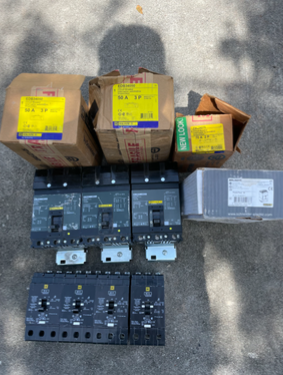
Switchgear and switchboards are assemblies, so the buyer needs both complete-lineup information and section-level details. Provide the manufacturer, series, voltage, amperage, phase, frequency, short-circuit rating, bus material, enclosure type, indoor or outdoor designation, number of sections, breaker list, relay and control information, and overall dimensions. Photograph every nameplate, section, breaker, interior area that can be accessed safely, and the full lineup.
Do not dismantle a complete lineup before the review unless site conditions demand it. Matching sections, breakers, doors, panels, relays, hardware, drawings, and control components can be easier to understand when their relationships remain clear. If the equipment has already been removed, label every section and photograph how the lineup was arranged before moving individual pieces.
Disconnection and preparation must be handled by qualified personnel under the owner’s electrical safety and lockout procedures. A nationwide electrical surplus buyer can evaluate a commercial purchase and transportation plan, but that review does not authorize work on energized equipment or certify equipment for future installation.
Nationwide Electrical Surplus Buyer for Transformers
Send transformer plates, ratings, dimensions, condition, and location after calling 713-385-1333.
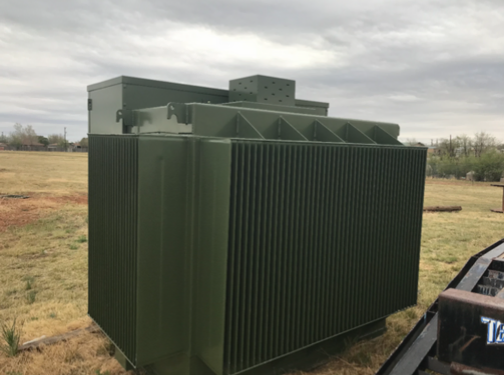
Transformer evaluations depend on manufacturer, model, kVA, primary and secondary voltage, phase, frequency, impedance, taps, temperature rise, enclosure, cooling method, insulation class, fluid type when applicable, dimensions, weight, and condition. A complete nameplate photograph is essential. Also photograph terminals, enclosure, base, lifting points, radiators, gauges, cabinets, and visible leaks or impact damage.
State whether the transformer is new, unused, energized, removed from service, repaired, untested, or known to have failed. Include test reports, oil analysis, drawings, manuals, and maintenance records when available. Disclose moisture exposure, unusual noise before removal, damaged bushings, missing covers, oil leaks, corrosion, and storage outdoors.
Transformers may require cranes, rigging, permits, specialized trailers, fluid handling, or other project controls. Provide weight and dimensions instead of relying on visual estimates. A nationwide electrical surplus buyer must understand loading access, crane positions, road restrictions, and pickup deadlines before transportation can be included responsibly.
Nationwide Electrical Surplus Buyer for Wire and Cable
Call or text 713-385-1333 about labeled reels, project overages, and unused cable.
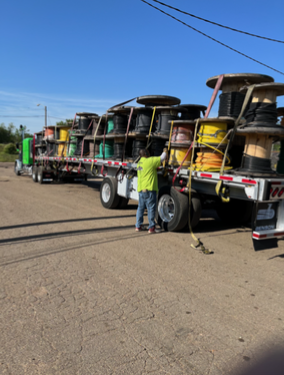
Wire and cable can be evaluated more efficiently when reels and packaging retain clear labels. Submit conductor material, conductor count, gauge or size, insulation type, voltage rating, shielding or armor, manufacturer, original reel length, estimated remaining length, reel condition, and storage history. Photograph reel tags, cable printing, ends, packaging, and the complete quantity.
Do not present an estimated length as a verified measurement. If footage is unknown, identify the original length and explain how the estimate was developed. Disclose cut ends, water exposure, crushed reels, damaged jackets, mixed remnants, missing tags, corrosion, or long-term outdoor storage. Short scraps and usable project lengths have different commercial possibilities.
Before contacting a nationwide electrical surplus buyer, keep reels protected and accessible for a forklift or loading device. Explain whether reels are indoors, on racks, outside, or blocked by other inventory. Accurate reel weight and dimensions help the buyer select the right trailer and handling equipment.
Nationwide Electrical Surplus Buyer for Controls and Distribution Parts
Submit controls, disconnects, starters, relays, and related parts at 713-385-1333.
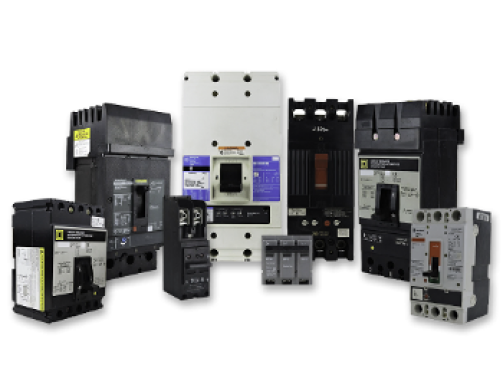
Control and distribution inventories may contain starters, contactors, disconnects, fuses, relays, drives, enclosures, meters, panel components, busway accessories, and replacement parts. These products should be organized by manufacturer, model, voltage, amperage, horsepower or other rating, enclosure, quantity, and condition. Photographs of labels and packaging are more useful than distant pictures of closed boxes.
Original packaging can support identification, but the contents must match the label. Note opened boxes, missing parts, damaged housings, cut wiring, corrosion, obsolete firmware, removed components, and uncertain storage. Keep matching control devices, manuals, mounting parts, and accessories together whenever possible.
A nationwide electrical surplus buyer can review a storeroom or palletized inventory as a group, but high-value or unusual components still require individual identification. An organized spreadsheet shortens follow-up and reduces mistakes when several products share similar housings.
Nationwide Electrical Surplus Buyer for Generators
Discuss available generators and power equipment at 713-385-1333.
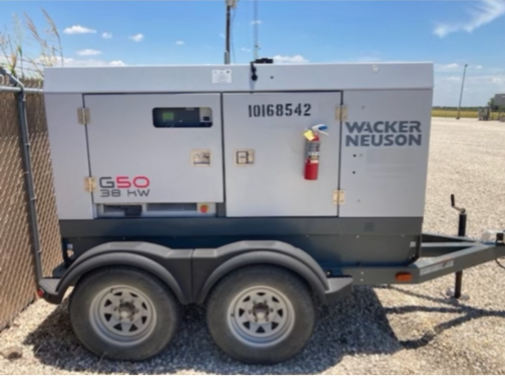
Generator submissions should identify manufacturer, model, engine, alternator, rated output, voltage, phase, frequency, fuel type, hours, controls, enclosure, transfer switch, emissions configuration, and maintenance history. Photograph the equipment plates, control panel, breaker, radiator, fuel system, batteries, base, enclosure, and included accessories.
State whether the generator served as standby, prime, rental, or emergency power. Disclose leaks, corrosion, starting faults, alarm codes, damaged wiring, missing cables, flood exposure, rodent damage, and the last known operating date. Recent service or load-bank records may help explain condition, but they are not a perpetual performance guarantee.
Generators often add weight and handling complexity to a mixed electrical inventory. Qualified personnel should address electrical disconnection and fuel systems. The seller should provide access details so a nationwide electrical surplus buyer can evaluate crane, forklift, trailer, and scheduling requirements.
Why Choose a Nationwide Electrical Surplus Buyer Instead of Local-Only Disposal?
A local scrap transaction may be appropriate for damaged material with no realistic reuse potential. It should not automatically be the first approach for every breaker, transformer, reel, switchgear section, or control. Reusable equipment can carry value connected to its ratings, compatibility, availability, and function—not only the weight of its metals.
A nationwide purchasing approach broadens the commercial review beyond immediate local demand. The buyer can consider whether compatible users, replacement needs, or secondary-market demand exist elsewhere. This does not create value for every obsolete item, but it gives identifiable equipment a more informed review before the seller commits to material recovery.
Working with one nationwide electrical surplus buyer can also reduce internal labor. A direct purchase may combine inventory evaluation, written terms, payment, and transportation instead of requiring employees to manage many buyers and freight arrangements. The seller still needs to perform due diligence and confirm every responsibility in writing.
When to Contact a Nationwide Electrical Surplus Buyer
Begin before electrical property loses identification, suffers moisture damage, is dismantled unnecessarily, or becomes mixed into scrap. Early contact provides time to gather nameplates, drawings, test records, counts, and access information. It also gives both parties more time to schedule transportation around construction, shutdown, and property deadlines.
Common reasons for contact include:
- Facility electrical upgrades or capacity changes
- Completed or cancelled construction projects
- Plant closures and production-line removals
- Maintenance storeroom reductions
- Contractor and distributor inventory adjustments
- Warehouse consolidations and relocations
- Removal of unsupported or standardized equipment
- Lease, demolition, or decommissioning deadlines
How the Nationwide Electrical Surplus Buyer Process Works
1. Submit an Inventory Overview
Start with equipment categories, representative photographs, approximate quantities, pickup location, and deadline. A preliminary submission can establish whether the opportunity fits the purchasing focus before the seller completes a detailed spreadsheet.
2. Add Technical Identification
Provide manufacturer, model, serial number, voltage, amperage, phase, interrupting rating, kVA, enclosure, and other relevant data. Match images to list items. For lineups or large inventories, use section numbers, pallet numbers, or asset tags to keep the records understandable.
3. Describe Condition Honestly
Identify new, unused, installed, removed, rebuilt, tested, untested, damaged, or incomplete property accurately. Disclose missing parts, corrosion, leaks, faults, weather exposure, and storage history. Do not conceal defects or use unsupported testing claims.
4. Confirm Ownership and Site Requirements
The seller must have authority to transfer the equipment. Identify liens, leases, landlord interests, financing, customer-owned property, and exclusions. Provide working hours, security, safety orientation, loading access, disconnection status, and insurance requirements.
5. Review the Purchase Offer
The written agreement should specify accepted assets, price, payment, transportation, loading, rigging, disconnection, schedule, and exclusions. Serial numbers or equipment schedules can be attached when precise identification matters.
6. Verify Payment and Complete Removal
Texas Global Resources states that it pays before purchased equipment is loaded. Sellers should independently verify cleared payment through their financial institution. Site representatives should confirm personnel, vehicles, approved assets, and safety requirements before removal begins.
What Determines a Nationwide Electrical Surplus Buyer Offer?
Specifications and Manufacturer
Exact technical details define compatibility and demand. Products that look alike can have materially different voltage, ratings, mounting, trip configuration, enclosure, or application. Nameplates and catalog numbers reduce uncertainty.
Condition and Storage
Original packaging, dry storage, maintenance, and complete accessories can support marketability. Moisture, corrosion, impact, missing covers, damaged insulation, cut conductors, oil leaks, and incomplete assemblies can limit value or change handling requirements.
Quantity and Organization
Consistent, documented groups can be easier to review and transport than mixed unidentified material. Quantity alone does not establish value, but organization lowers sorting and transaction costs.
Demand and Obsolescence
Discontinued equipment sometimes remains useful because matching systems are still operating. Other models may have little demand because alternatives, codes, technology, or parts support have changed. Original invoice cost is not a reliable statement of current value.
Location and Transportation
Distance, weight, dimensions, loading equipment, rigging, permits, site access, and deadlines affect purchase economics. Accurate logistics prevent last-minute cost discoveries and schedule failures.
Preparing Inventory for a Nationwide Electrical Surplus Buyer
- Group equipment by category, manufacturer, and model.
- Photograph every nameplate and representative condition.
- Record serial numbers, ratings, quantities, and operating status.
- Keep breakers, controls, accessories, hardware, and manuals together.
- Protect wire reels and packaged materials from weather.
- Identify leased, financed, customer-owned, or excluded property.
- Use qualified personnel for electrical isolation and disconnection.
- Measure doors, aisles, gates, and loading approaches.
- Share firm removal deadlines at the beginning.
- Verify payment before releasing purchased equipment.
Do not energize equipment solely for a sales demonstration unless qualified personnel can do so safely under the facility’s procedures. A buyer’s evaluation is not an engineering certification, code approval, or warranty of future performance.
Why Texas Global Resources Is a Nationwide Electrical Surplus Buyer
Texas Global Resources provides a direct purchase path for organizations with electrical equipment they no longer need. Its stated service model includes asset review, purchase offers for accepted property, transportation coordination, and payment before loading. The company can evaluate individual high-value items, matching product groups, and larger mixed inventories.
Texas Global Resources is based in South Houston, Texas and works with sellers across the United States. Nationwide service does not mean every item or location will qualify. Commercial feasibility depends on equipment type, specifications, condition, quantity, demand, access, and transportation. Learn more on the Texas Global Resources About page.
Choosing a nationwide electrical surplus buyer should begin with a clear submission and written terms, not vague promises. Texas Global Resources can review the actual inventory, define accepted assets, and discuss a practical transaction based on the seller’s location and deadline.
Nationwide Electrical Surplus Buyer Questions
Can I sell one electrical item?
A single significant item can be submitted. Purchase feasibility depends on model, ratings, condition, location, value, and transportation requirements. Complete identification is especially important for a small submission.
Can used or obsolete equipment qualify?
Yes, used and obsolete equipment can be reviewed. Some discontinued models retain replacement demand, while others do not. Describe condition and testing honestly and provide exact technical information.
Does the equipment have to be tested?
Not necessarily. Untested equipment may be considered, but the limitation must be disclosed. Never represent prior operation or visual inspection as a current electrical test.
Who coordinates transportation?
Texas Global Resources states that it coordinates transportation for purchased equipment. The agreement should still define loading, rigging, disconnection, cranes, permits, packaging, and specialized handling.
When does payment occur?
The company states that sellers are paid before accepted equipment is loaded. Confirm the payer, method, timing, and verification process in writing, then verify funds independently.
Can a complete plant or warehouse inventory be submitted?
Yes. Begin with an overview by category, representative photographs, estimated quantities, location, access, and deadline. A detailed list or site review may follow when the scope supports further evaluation.
Request an Offer From a Nationwide Electrical Surplus Buyer
Electrical equipment should be reviewed before labels disappear, storage damage grows, assemblies are separated, or a project deadline forces rushed disposal. Early documentation preserves options and gives the buyer enough time to evaluate technical details and transportation.
To request an offer from a nationwide electrical surplus buyer, send photographs, nameplates, model numbers, ratings, quantities, condition, pickup location, access details, and the desired removal date. Texas Global Resources can determine whether the inventory fits its purchasing scope and identify the next step.
Call or text 713-385-1333 to speak with a nationwide electrical surplus buyer, or submit your electrical inventory online.