
Plant Decommissioning Asset Recovery for Industrial Facilities
Planning a plant shutdown, line retirement, or facility transition? Call or text 713-385-1333 to discuss qualified assets and recovery requirements.
Plant decommissioning asset recovery creates a structured path for identifying, documenting, evaluating, and removing qualified equipment before a facility is cleared, transferred, demolished, or repurposed. Texas Global Resources reviews industrial opportunities involving process equipment, electrical assets, utility systems, maintenance machinery, and production-support equipment. A successful project depends on an approved scope, reliable asset records, safe isolation, verified ownership, and a workable schedule.
Decommissioning affects interconnected systems rather than isolated machines. A production asset may share power, controls, piping, platforms, foundations, cooling, compressed air, fuel, or material handling with equipment that will remain. Recovery planning must distinguish removable assets from building fixtures, active systems, leased property, regulated materials, and components reserved for other operations.
Documentation should begin while experienced personnel, nameplates, operating records, and installed connections remain available. Record manufacturer, model, serial number, plant tag, year, capacity, ratings, materials, hours or cycles, former service, maintenance history, condition, ownership, location, and planned release date. Photograph complete assemblies and access routes before disconnection changes the original configuration.
What Plant Decommissioning Asset Recovery Can Address
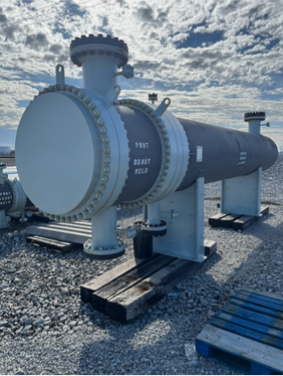
Qualified recovery opportunities may include heat exchangers, transformers, switchgear, generators, welding machines, pumps, compressors, control valves, tanks, vessels, pipe, fittings, material-handling assets, access equipment, and selected production machinery. Purchasing requirements vary by technical fit, condition, completeness, market demand, location, schedule, and the cost of safe removal.
The available configuration should be documented precisely. Identify included motors, drives, controls, panels, skids, tooling, chargers, batteries, trailers, platforms, feeders, transformers, documentation, and spare components. Mark shared equipment and anything that is leased, financed, customer-owned, disputed, active, reserved, or excluded from the proposed transaction.
Effective plant decommissioning asset recovery uses factual condition language. State whether an asset remains in service, was demonstrated on a specified date, powered on without load, operated when isolated, was functional when removed, is stored after disconnection, is incomplete, or was not tested. Do not claim that equipment is certified, ready for service, or fully operational without supporting evidence.
Process Equipment
Heat exchangers, pumps, valves, tanks, and vessels require materials of construction, dimensions, pressure and temperature ratings, former process media, cleaning status, inspection history, connection details, and visible condition. Disclose corrosion, erosion, residue, field modifications, repairs, missing internals, and decontamination requirements.
Electrical and Utility Equipment
Transformers, switchgear, generators, motors, compressors, and associated controls need voltage, phase, frequency, amperage, kVA or kW ratings, cooling method, enclosure, protection, hours, test records, and isolation status. Identify any fault event or abnormal shutdown.
Maintenance and Access Equipment
Welders, boom lifts, forklifts, and shop assets should include capacity or output, power source, hours, inspections, attachments, operating condition, dimensions, weight, final work date, and loading access.
Plant Decommissioning Asset Recovery for Transformers
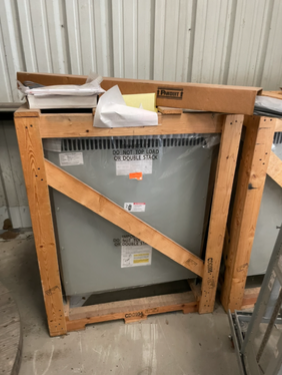
Releasing a dry-type or liquid-filled transformer? Call 713-385-1333 with nameplate data, test history, condition, isolation status, dimensions, and location.
A transformer record should identify manufacturer, catalog or model number, serial number, year, kVA, primary and secondary voltage, phase, frequency, impedance, winding material, temperature rise, insulation class, cooling method, enclosure rating, tap configuration, vector or connection data, fluid type when applicable, and total weight.
Photograph the complete unit, original nameplate, terminals or bushings, tap compartment, enclosure, cooling surfaces, gauges, fans, radiators, control cabinet, base, lifting points, and visible damage. Disclose corrosion, overheating evidence, oil leakage, damaged bushings, missing covers, cut conductors, impact damage, modified taps, water exposure, fire exposure, and previous repair.
Provide available test reports, maintenance records, fluid analysis, insulation-resistance results, turns-ratio tests, power-factor testing, dissolved-gas analysis, load history, fault history, and removal documentation. State when testing occurred and who performed it. Older results support history but do not prove present condition.
During plant decommissioning asset recovery, electrical equipment must remain under the facility’s qualified electrical-safety program. Do not open, touch, test, disconnect, or move equipment unless it has been properly de-energized, isolated, verified, grounded where required, and released according to site procedures.
Why Owners Plan Plant Decommissioning Asset Recovery Early
A decommissioning project may follow permanent closure, product retirement, production transfer, modernization, facility sale, lease expiration, corporate consolidation, remediation, or redevelopment. Owners often face simultaneous decisions about employees, utilities, records, inventory, permits, security, contractors, landlords, lenders, and deadlines.
Early planning preserves equipment knowledge. Operators may know recent behavior, maintenance staff may hold service history, engineering may control drawings and programs, environmental personnel may understand process media, electrical teams may retain one-line diagrams, and accounting may manage fixed-asset release. That information can be lost after shutdown and personnel departures.
A controlled asset register prevents scope confusion. Assign a unique reference number to each asset and connect that number to photographs, serial numbers, documentation, location, ownership, isolation status, and release date. Update the register whenever an asset is excluded, sold, relocated, dismantled, or removed.
Not every item will necessarily qualify for purchase. Plant decommissioning asset recovery should distinguish commercially reviewable equipment from building materials, waste, regulated substances, unidentified components, and property that requires another approved disposition path.
Information Needed for Plant Decommissioning Asset Recovery
Approved Scope and Asset Ownership
Define the buildings, process units, production lines, utility systems, and individual assets included. Confirm company ownership, liens, landlord rights, customer property, lease returns, lender approvals, title requirements, exclusions, and the person authorized to approve release.
Identification and Technical Specifications
Record manufacturer, model, serial number, plant tag, year, capacity, materials, pressure, temperature, flow, speed, horsepower, voltage, phase, frequency, amperage, dimensions, and weight. Photograph plates, tags, stamps, and labels clearly.
Configuration and System Dependencies
List motors, drives, controls, transformers, pumps, hydraulic units, tooling, feeders, platforms, skids, chargers, software, manuals, and spare parts. Explain which systems are shared, which will remain, and what must be disconnected or dismantled.
Operating History and Present Condition
Provide hours or cycles, former application, process media, duty, last operating date, shutdown circumstances, storage environment, known faults, leaks, corrosion, contamination, missing guards, wiring changes, structural damage, and test status.
Maintenance, Inspection, and Test Records
Useful records identify the asset, service date, meter reading, work completed, parts installed, technician, readings, and unresolved findings. Include maintenance logs, repair invoices, calibration reports, pressure inspections, electrical testing, fluid analysis, thickness readings, and cleaning certificates.
Isolation and Decontamination Status
State whether electrical, hydraulic, pneumatic, steam, fuel, water, process, and control connections remain active. Identify drainage, purging, cleaning, decontamination, lockout, line breaking, confined-space, and hazardous-material requirements without representing unfinished work as complete.
Schedule and Recovery Access
Provide inspection dates, earliest release, final removal deadline, work windows, exact location, floor level, equipment dimensions, component weights, doorway clearance, floor capacity, crane access, dock conditions, site rules, security, permits, and insurance requirements.
Plant Decommissioning Asset Recovery for Generators
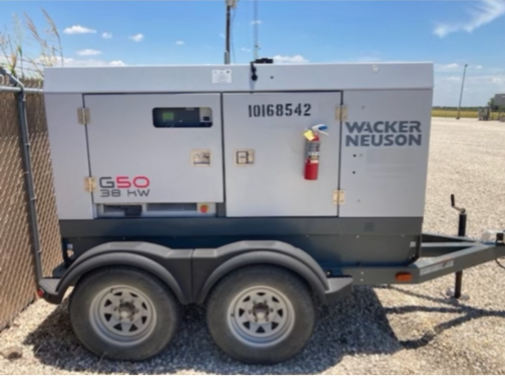
Decommissioning mobile or standby power equipment? Call or text 713-385-1333 with output ratings, engine, hours, test records, trailer condition, and access.
A generator inventory should include equipment manufacturer, generator end, engine manufacturer and model, serial numbers, year, rated kW and kVA, voltage selections, phase, frequency, power factor, fuel type, enclosure, controls, breaker, receptacles, transfer equipment, and recorded hours.
Describe the latest known operating status accurately. State whether the unit remains in standby service, receives scheduled exercise, starts and runs without load, completed a documented load-bank test, operated when removed, has a known fault, or was not tested. For a load test, provide date, load steps, duration, readings, alarms, and unresolved work.
Photograph radiator, engine, belts, hoses, battery, fuel system, exhaust, aftertreatment, generator end, controls, breaker, connection area, enclosure, base, and visible wiring. Report oil, coolant, or fuel leakage; smoke; overheating; corrosion; alarms; rodent damage; missing guards; and modified electrical components.
Trailer-mounted units also require trailer manufacturer, vehicle identification number, axle count, tires, brakes, lights, coupler, chains, jack, registration, and title status. State whether the unit can be towed legally or requires loading onto another trailer. Roadworthiness must not be assumed from appearance.
How Plant Decommissioning Asset Recovery Is Evaluated
Commercial review considers manufacturer, model, age, specifications, materials, capacity, controls, completeness, operating history, condition, documentation, market demand, location, schedule, and recovery expense. No single percentage of original cost or price per pound accurately represents a mixed decommissioning inventory.
Book value, replacement value, and market value serve different purposes. Specialized equipment may have a high replacement cost and a narrow resale audience. Standard equipment may attract broader demand while competing with dealer inventory and other projects. Obsolete controls, unknown former service, contamination, missing components, or costly removal can reduce commercial interest.
Recovery costs may include engineering, isolation, cleaning, disassembly, rigging, cranes, labor, permits, freight, storage, and schedule risk. The same machine can present very different feasibility when located in an accessible yard versus behind active systems on an elevated floor.
Accurate disclosure supports a faster decision. Provide known failures, diagnostic findings, repair estimates, missing components, last operation, storage conditions, process history, and removal restrictions. Do not clear alarms, hide leakage, install borrowed parts for photographs, or represent untested equipment as working.
Completeness and Technical Fit
An asset may depend on a control cabinet, transformer, motor, drive, hydraulic unit, tooling, platform, skid, or software. Identify every dependency and whether it is included, shared, reserved, missing, or unavailable.
Inspection Is Not Certification
A commercial inspection may verify identification, observed condition, completeness, and limited operation. It is not automatically a formal appraisal, safety certification, mechanical certification, pressure recertification, calibration, environmental clearance, or future-performance guarantee.
Written Terms Control Release
Before equipment leaves the site, written terms should identify assets and serial numbers, included components, exclusions, represented condition, inspection, price, payment, taxes, ownership documents, cleaning, dismantling, rigging, loading, freight, insurance, schedule, and cleanup.
Plant Decommissioning Asset Recovery for Maintenance Equipment
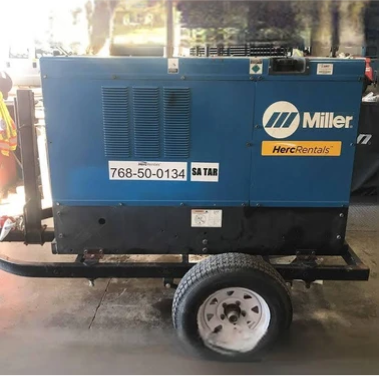
Releasing welding assets from a plant maintenance shop? Call 713-385-1333 with model, hours, output, accessories, test status, and final availability.
An engine-driven welding machine should be identified by manufacturer, model, serial number, year, engine model, fuel, recorded hours, rated output, duty cycle, supported welding processes, auxiliary-power rating, controls, and trailer configuration. Photograph equipment and engine plates, hour meter, terminals, receptacles, enclosure, and engine compartment.
State separately whether the engine starts, auxiliary power was checked, and welding output was tested. If qualified personnel completed a test, provide its date, process, amperage range, duration, and observed result. Engine operation alone does not prove that welding output works throughout the rated range.
List leads, electrode holders, ground clamps, wire feeders, remotes, torches, regulators, carts, trailers, manuals, and spare parts. Verify cylinder ownership because gas containers may belong to a supplier. Show cable damage, missing panels, leaks, corrosion, warning codes, connector damage, and previous repairs.
Maintenance equipment often remains necessary until late in a decommissioning project. Establish the final work date before promising release. Items used for temporary power, cutting, welding, access, lighting, cleanup, or loading should not be scheduled for pickup until replacement support is available or the work is complete.
Planning Safe Plant Decommissioning Asset Recovery
The project plan for plant decommissioning asset recovery should define the final site condition required by the owner, landlord, lender, property buyer, or demolition contractor. Equipment removal may or may not include utility capping, anchor removal, foundation demolition, patching, sweeping, waste disposal, and environmental documentation. Define the endpoint rather than assuming what “clear” means.
Work sequencing should protect active operations and preserve equipment value. Establish utility shutdowns, process draining, cleaning, testing, disconnection, dismantling, lifting, and release dates. Photograph equipment while installed, mark matching components, retain identification, and package loose parts before different contractors move through the area.
Site requirements must be communicated early. Address orientation, personal protective equipment, lockout, line breaking, confined spaces, hot work, fall protection, traffic control, hazardous materials, security, emergency procedures, and contractor documentation. Only qualified personnel should isolate, clean, disconnect, dismantle, lift, or load equipment.
Qualified projects across the United States may be reviewed when the assets and transaction support practical recovery. Distance alone does not decide feasibility. Value, quantity, dimensions, weight, contamination, disassembly, access, permits, route restrictions, labor, schedule, and freight must be evaluated together.
The Plant Decommissioning Asset Recovery Process
1. Define Scope and Authority
Identify included buildings, process units, lines, utilities, and assets. Record exclusions, decision-makers, ownership restrictions, site contacts, safety requirements, release dates, inspection windows, and the final completion deadline.
2. Build a Controlled Asset Register
Assign a reference number and record manufacturer, model, serial number, tag, year, specifications, condition, location, ownership, isolation status, and availability. Connect photographs and records to that reference.
3. Document Installed Configuration
Photograph complete assemblies, plates, controls, meters, connections, motors, drives, tooling, spare parts, supports, damage, and access routes. Preserve safe operating evidence while utilities and trained personnel remain available when appropriate.
4. Gather Records and Disclosures
Collect drawings, manuals, programs, maintenance logs, inspections, tests, cleaning records, repair invoices, titles, and lien releases. Document former service, faults, modifications, residue, missing parts, and unknowns.
5. Establish Isolation and Recovery Needs
Provide utility status, dimensions, weights, floor level, access route, rigging needs, crane access, dock conditions, work windows, permits, insurance, environmental requirements, and deadlines.
6. Request Commercial Review
Send the organized inventory through the Texas Global Resources contact page. Complete information helps determine whether specific assets fit current purchasing and recovery requirements.
7. Confirm Terms and Schedule
If purchasing interest exists, document assets, serial numbers, included components, exclusions, condition, inspection, price, payment, ownership transfer, cleaning, dismantling, rigging, loading, freight, insurance, timing, and cleanup.
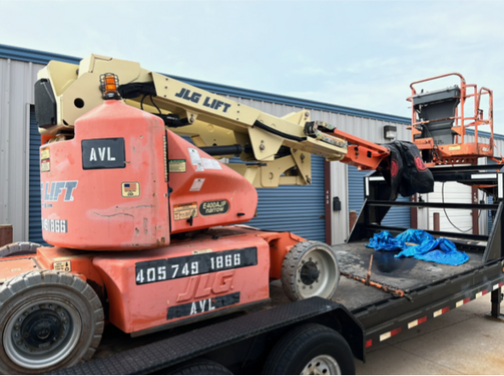
Plant Decommissioning Asset Recovery for Access Equipment
Releasing a boom lift after shutdown work? Call or text 713-385-1333 with platform specifications, hours, inspection history, condition, and loading access.
A boom-lift record should include manufacturer, model, serial number, year, platform height, working height, horizontal outreach, platform capacity, power source, drive configuration, tire type, hours, stowed dimensions, and operating weight. Identify whether the lift is articulating, telescopic, electric, diesel, dual-fuel, hybrid, self-propelled, or towable.
Photograph chassis, turntable, boom sections, platform, gate, rails, controls, emergency-lowering equipment, tires, axles, counterweight, engine or battery compartment, cylinders, hoses, and decals. Show bent rails, damaged controls, leakage, worn pins, cracked covers, missing labels, corrosion, and structural repair.
Provide annual inspections, service logs, battery records, repair invoices, and structural documentation when available. State whether inspections are current, expired, missing, or unknown. A prior inspection does not replace disclosure of defects discovered afterward.
Access equipment may be needed until overhead disconnection and dismantling are complete. Set its final release date accordingly. Do not elevate questionable equipment or bypass protective systems for photographs. If disabled, explain how the lift can be lowered, steered, winched, or loaded.
Questions About Plant Decommissioning Asset Recovery
Can One Process Area Be Submitted?
Yes. A process unit, line, utility system, maintenance area, or identified group of assets may qualify. Provide the asset register, photographs, ownership status, isolation plan, dates, and recovery conditions.
Can Disconnected or Non-Running Equipment Be Reviewed?
Some disconnected, incomplete, or non-running assets may warrant review. Explain the last operation, known failure, diagnosis, missing components, storage environment, disconnection status, and safe recovery method.
Should Equipment Be Dismantled Before Review?
Document the installed configuration first whenever practical. Premature dismantling can separate components, eliminate test opportunities, remove identification, and complicate valuation, packaging, and transportation.
Can an Entire Plant Be Submitted?
A complete facility may be presented, but every item may not qualify. A controlled inventory allows assets to be reviewed according to specifications, condition, documentation, ownership, demand, and recovery cost.
Is Testing Required?
Testing depends on the asset, records, safety, utilities, condition, and schedule. If a safe controlled test is possible, document its date and conditions. Otherwise, report the equipment as untested or functional when removed.
Can Removal Be Coordinated?
Recovery depends on value, location, dimensions, weights, contamination, access, rigging, permits, schedule, and freight. Final written terms must assign preparation, disconnection, dismantling, loading, transportation, and cleanup.
What Supports a Faster Review?
A controlled asset register, readable plates, current photographs, accurate specifications, honest condition notes, maintenance and test records, proof of ownership, firm dates, and complete access details provide the strongest starting point.
Contact Texas Global Resources About Plant Decommissioning Asset Recovery
Industrial assets are easiest to evaluate while experienced personnel, identification plates, maintenance history, drawings, programs, spare parts, and test information remain connected to the correct equipment. Businesses planning plant decommissioning asset recovery should document assets before utility shutdown and dismantling accelerate.
Texas Global Resources reviews qualified projects according to asset identification, specifications, condition, documentation, ownership, market demand, quantity, location, schedule, access, and recovery requirements. Commercial purchasing review is not a formal appraisal, mechanical certification, safety certification, environmental clearance, repair service, or rigging-engineering service.
To request plant decommissioning asset recovery, provide the asset register, manufacturer, model, serial number, tag, year, ratings, materials, dimensions, weight, operating condition, former service, known deficiencies, included components, photographs, records, city and state, isolation status, recovery conditions, and project deadline.
Call or text 713-385-1333 about plant decommissioning asset recovery, or submit qualified decommissioning assets online.