
Plant Liquidation Equipment Buyers for Complete Facility Projects
Planning a shutdown, consolidation, or major equipment release? Call or text 713-385-1333 to request a direct asset review.
Plant liquidation equipment buyers help industrial owners organize and present qualified assets when a facility, production area, or entire operation is being cleared. Texas Global Resources reviews opportunities involving electrical equipment, process systems, production-support machinery, material inventory, and mobile equipment. A successful liquidation starts with a controlled asset list, verified ownership, honest condition reporting, realistic deadlines, and a removal plan that respects site safety and ongoing operations.
Liquidation is different from offering one isolated machine. Equipment may be connected by utilities, controls, foundations, piping, platforms, or shared support systems. Individual value can depend on whether transformers, motors, drives, valves, exchangers, generators, tooling, spare parts, and documentation remain matched to the correct asset. The inventory must identify what is included, excluded, still active, or owned by another party.
Begin before equipment is disconnected or personnel leave the site. Photograph original plates, tags, control screens, wiring, connections, supports, access routes, and complete assemblies. Record manufacturer, model, serial number, year, ratings, capacity, hours or cycles, configuration, former service, maintenance history, condition, location, and availability. Early documentation preserves information that can disappear during rapid decommissioning.
Assets Plant Liquidation Equipment Buyers May Review
Potential opportunities may include transformers, switchgear, generators, control valves, heat exchangers, tanks, vessels, pumps, compressors, welding machines, material-handling assets, production machinery, pipe, fittings, and selected facility-support equipment. Purchasing needs vary with specifications, condition, completeness, market demand, location, removal complexity, and project schedule.
A liquidation inventory should describe the actual available configuration. List skids, frames, motors, drives, controls, panels, tooling, platforms, ladders, transformers, feeders, chargers, trailers, documentation, and spare parts. Shared equipment must be assigned carefully. If a component serves an active system, is leased, is customer-owned, or will remain with the property, label it as excluded.
Qualified plant liquidation equipment buyers need factual status language. Useful descriptions include operating in current production, available for a scheduled demonstration, functional when disconnected, stored indoors after removal, partially dismantled, incomplete, non-running, damaged, or not tested. Avoid broad statements such as “everything works” unless every listed asset was recently checked and the method is documented.
Electrical Distribution and Backup Power
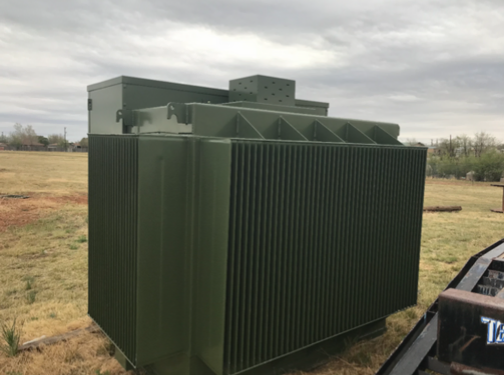
Transformers, switchgear, breakers, generators, and related assets need voltage, phase, frequency, amperage, kVA or kW rating, configuration, enclosure, cooling method, protection, controls, service history, and test information. Explain whether the equipment remains energized, was de-energized normally, experienced a fault, or was removed without testing.
Process Equipment and Flow Control
Heat exchangers, valves, pumps, tanks, and vessels require materials of construction, size, pressure and temperature ratings, former process media, inspection records, cleaning status, connection details, and visible condition. Residue, corrosion, missing internals, field repairs, and decontamination requirements must be disclosed.
Production Support and Maintenance Assets
Welders, compressors, forklifts, lifts, shop machinery, and similar assets should include manufacturer identification, output or capacity, hours, power source, attachments, operating status, inspection records, dimensions, weight, and loading access.
Plant Liquidation Equipment Buyers for Control Valves and Actuators
Liquidating identified valve inventory? Call 713-385-1333 with tag data, sizes, ratings, materials, actuators, former service, and condition.
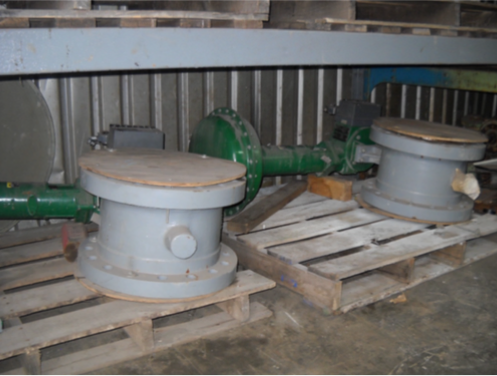
A control-valve inventory should record manufacturer, model or series, serial number, plant tag, nominal size, pressure class, end connection, body material, trim material, flow characteristic, documented flow coefficient, seat leakage class, packing, bonnet configuration, flow direction, and temperature or pressure limitations.
Actuators and accessories require their own data. Identify actuator type and size, bench or spring range, air supply, fail action, positioner, current-to-pressure device, solenoids, limit switches, boosters, filters, regulators, tubing, and mounting hardware. Photograph each plate and label so the body, actuator, and accessories remain correctly paired.
Former service can affect inspection, cleaning, handling, and market suitability. State the process material, concentration, operating temperature, pressure, last service date, isolation method, drainage, cleaning procedure, and known residue. Disclose erosion, corrosion, cavitation, stem leakage, seat leakage, seized movement, flange damage, missing accessories, and previous repairs.
When plant liquidation equipment buyers review valves from a closing or changing process unit, accurate tag-to-service records are especially valuable. Do not apply shop air, pressure, heat, or force solely for a sales inquiry. Stored pressure, actuator spring force, and trapped product may create serious hazards.
Why Companies Use Plant Liquidation Equipment Buyers
A plant liquidation may follow a permanent closure, facility sale, production transfer, product retirement, lease termination, bankruptcy process, corporate consolidation, environmental remediation, or redevelopment. Owners often face simultaneous obligations involving employees, utilities, records, inventory, landlords, lenders, contractors, security, and deadlines. A structured purchasing review can help separate potentially marketable assets from equipment that requires another disposition path.
Starting early improves the quality of the asset record. Operators may know recent performance, maintenance teams may hold work history, engineering may control drawings, environmental personnel may understand process residue, purchasing may retain specifications, and accounting may manage fixed-asset release. Once people leave or systems are dismantled, those facts become harder to verify.
The liquidation scope should be approved before offers or removal plans are discussed. Assign a unique reference number to each asset and connect it to photographs, serial numbers, records, location, ownership, and availability. Exclude rented, leased, financed, customer-owned, consigned, disputed, reserved, and active assets until proper authorization exists.
Businesses may present a complete facility, one production area, or selected assets. Even in a large project, plant liquidation equipment buyers evaluate equipment individually because technical fit, condition, documentation, former service, market demand, and recovery expense vary substantially.
Information Plant Liquidation Equipment Buyers Need
Asset Register and Unique Identification
Create a controlled inventory with an internal reference number, manufacturer, model, serial number, plant tag, year, location, status, and responsible contact for every asset. Keep photographs and records labeled with the same reference so information does not become detached during the project.
Specifications and Available Configuration
Record capacity, dimensions, weight, materials, pressure, temperature, flow, speed, horsepower, voltage, phase, frequency, amperage, and other relevant ratings. Identify attached controls, motors, drives, tooling, piping, platforms, skids, auxiliary systems, and spare components included in the sale.
Current Operation and Last Service Date
State whether equipment remains operational, was demonstrated on a particular date, powered on without load, operated when disconnected, stored after removal, or never tested. Include hours, cycles, production application, former process material, storage environment, and reason for retirement.
Physical Condition and Known Defects
Disclose leakage, smoke, abnormal sound, overheating, vibration, corrosion, erosion, cracked structures, missing guards, bypassed devices, wiring changes, worn tooling, contamination, damaged insulation, and active alarms. Distinguish verified condition from estimates, memories, and assumptions.
Maintenance, Inspection, and Test Records
Useful records identify the asset, service date, meter reading, work performed, parts installed, technician, readings, and unresolved findings. Include preventive-maintenance logs, repair invoices, calibration reports, pressure tests, electrical tests, oil analysis, thickness surveys, and cleaning documentation when available.
Ownership, Liens, and Authority
Confirm legal ownership and the person authorized to sell. Identify lien releases, lender approvals, landlord rights, customer property, lease returns, title or registration documents, environmental obligations, and internal approvals required before equipment can leave the facility.
Schedule and Site Access
Provide the decision date, inspection windows, earliest release, final removal deadline, work hours, security procedures, insurance requirements, site orientation, personal protective equipment, utility status, and any restrictions created by continued operations or demolition.
Plant Liquidation Equipment Buyers for Heat Exchangers
Releasing shell-and-tube exchangers? Call or text 713-385-1333 with nameplates, drawings, materials, ratings, former service, inspections, and loading details.
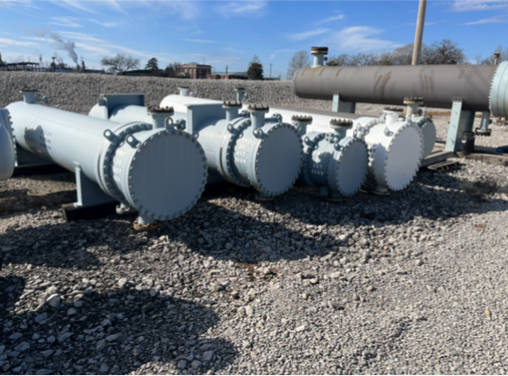
A heat-exchanger record should include manufacturer, serial number, year, exchanger type, shell and tube materials, tube-sheet material, dimensions, surface area, number of passes, design pressure, design temperature, corrosion allowance, empty weight, channel type, supports, nozzle sizes, and applicable code stamps.
Former shell-side and tube-side services should be identified separately. Provide process materials, concentrations, temperatures, pressures, fouling history, last operating date, drainage, cleaning method, and known residue. Include data sheets, drawings, tube maps, inspection reports, thickness readings, pressure tests, plugging records, and repair documentation.
Photograph the shell, channels, heads, covers, nozzles, flanges, supports, saddles, lifting points, nameplate, code stamp, coatings, insulation, and visible tube-sheet areas. Report corrosion, pitting, erosion, damaged flange faces, plugged tubes, gasket-surface damage, missing covers, field modifications, and exposure to fire, freezing, or contaminated storage.
Multiple exchangers should never be treated as identical merely because they share a general shape. Keep nameplates, dimensions, drawings, former service, and photographs matched to each serial number. Recovery planning also requires verified dimensions, weight, lifting points, crane access, trailer approach, ground conditions, and permit needs.
How Plant Liquidation Equipment Buyers Evaluate Projects
Commercial review considers manufacturer, model, age, specifications, materials, capacity, controls, completeness, condition, service history, documentation, demand, quantity, location, schedule, and recovery cost. No single percentage of original cost or price per pound accurately represents a mixed industrial liquidation.
Book value, replacement cost, and insurance value serve different purposes and do not automatically establish a purchase price. Specialized equipment can be expensive when new and have limited demand outside its process. Standard assets may have broader demand but face competition from dealers, auctions, and other facility closures.
Costs associated with isolation, cleaning, dismantling, rigging, cranes, labor, permits, freight, storage, and schedule risk affect feasibility. Missing records, unknown contamination, obsolete controls, incomplete assemblies, inaccessible locations, and unrealistic deadlines can reduce purchasing interest even when the equipment appears substantial.
Accurate disclosure supports a more efficient review. Provide known failures, diagnostic findings, repair estimates, missing components, last operation, storage conditions, process history, and removal constraints. Do not erase faults, conceal leakage, install borrowed parts for photographs, or describe unverified equipment as operational.
Asset Value Is Connected to Completeness
A machine or process component may rely on controls, motors, drives, transformers, hydraulic units, tooling, platforms, skids, or software. Identify each dependency and whether it is included, shared, reserved, missing, or unavailable.
Inspection Is Not Certification
A commercial inspection may verify identification, observed condition, completeness, and limited operation. It is not automatically a formal appraisal, safety certification, mechanical certification, pressure recertification, calibration, emissions verification, or guarantee of future service.
Written Terms Control Release
Before equipment leaves the property, written terms should identify assets and serial numbers, included components, exclusions, condition, inspection, price, payment, taxes, title documents, cleaning, dismantling, rigging, loading, freight, insurance, schedule, and cleanup.
Plant Liquidation Equipment Buyers for Generators and Utility Assets
Liquidating backup power equipment? Call 713-385-1333 with output ratings, voltage, phase, engine, hours, test records, and recovery access.
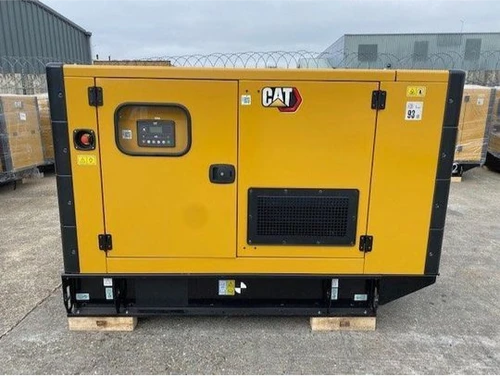
A generator inventory should include equipment manufacturer, generator end, engine manufacturer and model, serial numbers, year, rated kW and kVA, voltage selections, phase, frequency, power factor, fuel, enclosure, controls, breaker, transfer equipment, and recorded hours. Photograph the actual data plates and control display.
State the latest verified test status. Explain whether the unit remains in standby service, exercises regularly, starts and runs without load, completed a documented load-bank test, operated when decommissioned, has a known fault, or was not tested. For a load test, provide date, load steps, duration, readings, alarms, and outstanding repairs.
Photograph the radiator, engine, belts, hoses, batteries, fuel system, exhaust, aftertreatment, generator end, controls, breaker, connection area, doors, louvers, base, and visible wiring. Disclose oil, coolant, or fuel leakage; smoke; overheating; corrosion; alarm codes; rodent damage; missing guards; and modified electrical work.
When plant liquidation equipment buyers evaluate installed generators, associated equipment must be separated carefully. Identify included tanks, transfer switches, switchgear, batteries, chargers, radiators, silencers, day tanks, enclosures, cables, and spare parts. Explain disconnection status, fuel handling, lifting access, dimensions, weight, and route outside.
Removal Planning With Plant Liquidation Equipment Buyers
Liquidation value cannot be separated from recovery conditions. Provide city and state, exact location, floor level, equipment dimensions, component weights, aisle and doorway clearances, floor capacity, dock and yard access, overhead obstructions, lifting resources, utility status, work hours, security rules, insurance requirements, and final deadline.
Installed equipment may require electrical isolation, draining, purging, cleaning, decontamination, line breaking, disassembly, match marking, blocking, crating, skidding, crane work, and specialized transport. The facility should identify hazards and assign qualified personnel for lockout, utility isolation, confined spaces, hot work, hazardous materials, and lifting plans.
Responsibilities need to be documented before contractors arrive. Written scope should assign preparation, cleaning, disconnection, dismantling, rigging, cranes, loading, permits, freight, insurance, security, cleanup, and disposal of excluded material. Site orientation, protective equipment, contractor documentation, and emergency procedures should be communicated early.
Qualified projects across the United States may be reviewed when the asset mix and transaction support practical recovery. Distance is only one factor. Value, quantity, dimensions, weights, contamination, dismantling, loading access, permits, route limits, schedule, labor availability, and freight must be assessed together.
The Process With Plant Liquidation Equipment Buyers
1. Define the Liquidation Scope
Identify the buildings, lines, systems, and individual assets included. Separate active operations and excluded property. Establish decision authority, site contacts, safety requirements, release dates, and the final clearance deadline.
2. Build a Controlled Asset Register
Record reference number, manufacturer, model, serial number, tag, year, specifications, materials, hours, status, location, ownership, and availability. Connect photographs and documents to the same reference.
3. Photograph Equipment Before Disconnection
Capture complete assemblies, plates, controls, meters, motors, electrical cabinets, connections, supports, tooling, spare parts, damage, and access routes. Current installed photographs can help explain configuration later.
4. Gather Records and Disclosures
Collect manuals, drawings, data sheets, programs, maintenance logs, tests, inspection reports, cleaning certificates, repair invoices, titles, and lien releases. Document former service, faults, modifications, contamination, missing parts, and unknowns.
5. Document Site and Recovery Conditions
Provide dimensions, weights, utilities, floor level, access route, rigging needs, dock or yard conditions, site rules, work windows, insurance, permits, environmental requirements, and deadlines.
6. Request Commercial Review
Send the organized inventory through the Texas Global Resources contact page. Complete information helps determine whether specific assets fit current purchasing and recovery requirements.
7. Confirm Purchase and Removal Terms
If interest exists, document assets, serial numbers, included items, exclusions, condition, inspection, price, payment, ownership transfer, cleaning, dismantling, rigging, loading, freight, insurance, schedule, and cleanup.
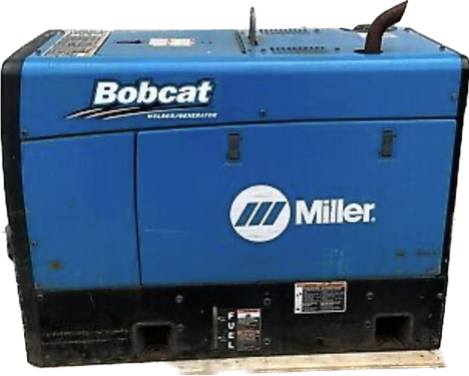
Plant Liquidation Equipment Buyers for Welding and Maintenance Assets
Clearing welding equipment from a maintenance shop? Call or text 713-385-1333 with model, hours, output, accessories, condition, and test status.
An engine-driven welding machine should be identified by manufacturer, model, serial number, year, engine model, fuel, recorded hours, rated output, duty cycle, welding processes, auxiliary-power rating, and controls. Photograph the equipment and engine plates, hour meter, output terminals, receptacles, enclosure, and engine compartment.
State separately whether the engine starts, auxiliary power was checked, and welding output was tested. If qualified personnel completed a test, provide its date, process, amperage range, load, duration, and observed result. Engine operation alone does not prove welding output across the rated range.
List leads, electrode holders, ground clamps, wire feeders, remotes, torches, regulators, carts, trailers, manuals, and spare parts. Verify cylinder ownership because gas containers may belong to a supplier. Show damaged cables, connectors, controls, missing panels, leakage, corrosion, alarms, and previous repairs.
Maintenance-shop equipment often becomes mixed during a shutdown. Inventory each unit separately so accessories, keys, service records, and trailer information remain associated with the correct serial number. Mark tools or attachments that belong to employees, contractors, rental companies, or continued operations.
Questions for Plant Liquidation Equipment Buyers
Can One Production Area Be Submitted?
Yes. A single area, line, system, or group of identified assets may qualify. Provide an asset register, photographs, ownership status, condition, release dates, and recovery details for everything included.
Can Disconnected or Non-Running Assets Be Reviewed?
Some disconnected, incomplete, or non-running equipment may warrant review. Explain the last operating date, known failure, diagnosis, missing components, storage conditions, and safe removal method.
Should Equipment Be Dismantled Before Review?
Generally, document installed configuration before dismantling. Premature disassembly may separate components, destroy test opportunities, remove identification, or complicate valuation. Share the schedule before work begins.
Can a Complete Facility Be Considered?
A complete facility may be presented, but not every item will necessarily match purchasing requirements. A detailed asset register allows each category to be reviewed according to specifications, condition, demand, and recovery cost.
Is an Operational Demonstration Required?
Demonstration needs depend on equipment, records, safety, condition, utilities, and schedule. If a safe test is possible, document its date and operating conditions. Otherwise, describe the equipment accurately as untested or operational when removed.
Can Removal Be Coordinated?
Recovery depends on asset value, location, dimensions, weights, contamination, disassembly, access, rigging, permits, timing, and freight. Final written terms must define every party’s responsibilities.
What Supports a Faster Decision?
A controlled asset register, readable plates, current photographs, accurate specifications, honest condition notes, records, proof of ownership, project schedule, and complete site-access information provide the strongest starting point.
Contact Texas Global Resources About Plant Liquidation Equipment Buyers
Liquidation assets are easiest to evaluate while experienced personnel, identification plates, maintenance history, drawings, controls, tooling, spare parts, and test information remain connected to the correct equipment. Businesses working with plant liquidation equipment buyers should document the facility before disconnection and dismantling accelerate.
Texas Global Resources reviews qualified projects according to asset identification, specifications, materials, ratings, condition, records, ownership, market demand, quantity, location, schedule, access, and recovery requirements. Commercial purchasing review is not a formal appraisal, mechanical certification, safety certification, environmental clearance, repair service, or rigging-engineering service.
To contact plant liquidation equipment buyers, provide the asset register, manufacturer, model, serial number, tag, year, ratings, materials, dimensions, weight, operating condition, former service, known deficiencies, included components, photographs, records, city and state, removal conditions, and project deadline.
Call or text 713-385-1333 to speak with plant liquidation equipment buyers, or submit a qualified plant liquidation inventory online.