

Sell Industrial Equipment Through a Direct Purchase
Call or text 713-385-1333 to request an evaluation and direct purchase offer.
When you need to sell industrial equipment, the right buyer can help you move from an idle asset list to a coordinated transaction without making your staff advertise every machine separately. Texas Global Resources purchases new, used, surplus, idle, and obsolete equipment from businesses, contractors, plants, warehouses, fleet operators, construction companies, maintenance departments, and other verified owners. The process begins with practical information about the machines, their condition, their location, and the seller’s desired removal schedule.
Industrial machinery often becomes available after a project ends, a fleet is standardized, a plant changes production, a contractor upgrades equipment, or a company closes or consolidates a facility. Those assets may still have commercial value even when they no longer fit the owner’s operations. Texas Global Resources reviews the actual equipment and considers factors such as manufacturer, model, age, hours, operating condition, attachments, maintenance history, market demand, transportation requirements, and the overall scope of the available inventory.
Sellers can submit a single significant machine or a larger mixed package. Backhoes, forklifts, generators, manlifts, scissor lifts, skid steers, welding machines, and related industrial assets can be considered. To sell industrial equipment efficiently, start with clear photographs, identification plates, serial numbers, operating hours when available, an honest condition description, the pickup location, and any firm deadline. Call or text 713-385-1333 or use the Texas Global Resources contact form to begin.
What Types of Industrial Equipment Can You Sell?
Industrial inventories are rarely uniform. One seller may have a low-hour forklift left from a warehouse reconfiguration, while another has several machines removed from a completed construction project. A facility closure may involve generators, welding machines, material-handling equipment, and access equipment in different conditions. Texas Global Resources evaluates the inventory as presented and identifies the assets that fit its purchasing scope.
Equipment considered for purchase may include:
- Backhoes and related earthmoving equipment
- Forklifts and material-handling machines
- Diesel, natural-gas, and other industrial generators
- Manlifts and aerial work platforms
- Scissor lifts for indoor and outdoor applications
- Skid steers and compatible attachments
- Engine-driven and shop welding machines
- Selected plant, construction, warehouse, and process equipment
This list describes common categories rather than guaranteeing the purchase of every machine. A direct offer depends on identifiable specifications, ownership, physical condition, completeness, current demand, access, and the cost of safe removal. Machines with missing identification, major damage, unknown ownership, or impractical transportation requirements may require additional review.
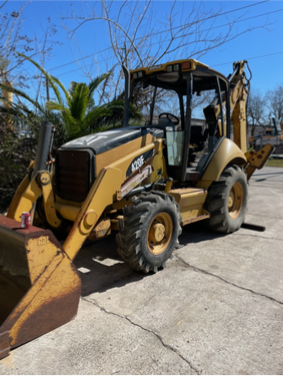
Sell Industrial Equipment Such as Backhoes
Have a backhoe available? Call or text 713-385-1333 with the make, model, year, hours, condition, and location.
Backhoes combine excavation and loading functions, so their value depends on more than appearance. A useful submission identifies the manufacturer, model, year, serial number, engine hours, drive configuration, bucket sizes, attachments, tire or track condition, hydraulic performance, and any known leaks or mechanical problems. If the machine starts, runs, moves, digs, and loads, say so accurately. If it does not operate, describe what happened before it was parked and how long it has remained idle.
Photograph every side of the machine, the operator station, hour meter, engine compartment, hydraulic cylinders, loader arms, boom, buckets, tires, identification plate, and visible damage. Include a short operating video when it is safe to do so. Avoid pressure washing areas where leaks or repaired damage need to remain visible. Honest documentation enables a buyer to evaluate transportation, loading, repair risk, and marketability before scheduling an inspection.
If you plan to sell industrial equipment from a construction yard or project site, describe the ground conditions and access. State whether a truck and trailer can enter, turn, load, and exit without unusual restrictions. If the backhoe cannot move under its own power, disclose that immediately because recovery equipment may change the removal plan.
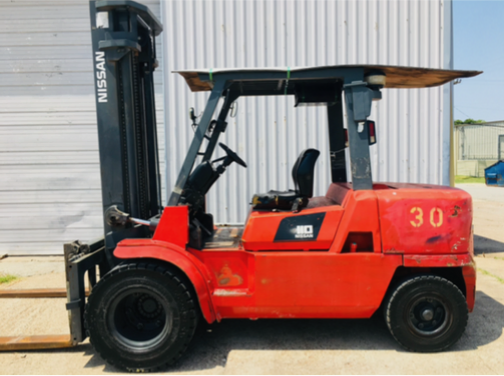
Sell Industrial Equipment Including Forklifts
Request a forklift evaluation by calling or texting 713-385-1333.
Forklift evaluations should include capacity, mast type, maximum lift height, collapsed mast height, fuel or power type, hours, tire type, fork length, side-shift or other attachments, battery details for electric units, and charger availability. The data plate is especially important because it connects the machine’s configuration to its rated capacity. Photograph the plate clearly and do not represent a modified machine by an outdated rating.
Condition information should address starting, steering, braking, lifting, tilting, hydraulic operation, mast wear, chain condition, tires, battery performance, propane components, warning lights, and any known service issues. For electric forklifts, identify the battery voltage, age when known, connector, charger specifications, and whether the battery accepts and holds a charge. A forklift without a functional battery may still be reviewed, but the condition must be disclosed.
Warehouses that need to sell industrial equipment during a relocation should submit the entire available fleet when practical. Grouping machines by model, capacity, and condition makes the review more efficient. It also helps coordinate removal so loading activity does not interfere with employees, active inventory, docks, or scheduled carriers.
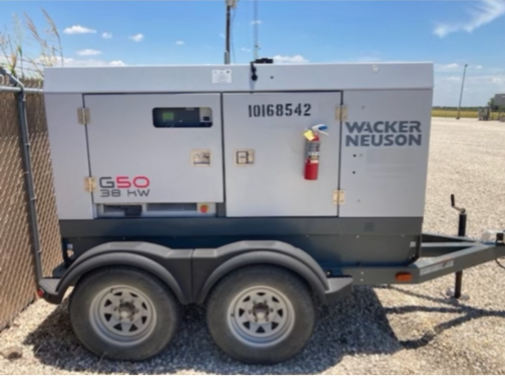
Sell Industrial Equipment Including Generators
Call or text 713-385-1333 with generator nameplate details, hours, fuel type, condition, and pickup location.
Industrial generator value can depend on manufacturer, model, engine, alternator, output rating, voltage, phase, frequency, fuel type, hours, enclosure, controls, transfer equipment, emissions configuration, and maintenance history. State whether the unit served as standby power, prime power, rental equipment, or an emergency backup. Low hours can be helpful, but storage conditions and maintenance matter even when the generator did not run frequently.
Provide photographs of the complete unit, engine plate, generator-end plate, control panel, hour meter, breaker, radiator, fuel system, enclosure, base tank, transfer switch, and included accessories. Disclose coolant or oil leaks, rodent damage, corrosion, missing cables, alarm conditions, starting problems, or exposure to flooding. If a recent load-bank test or service report exists, include it without implying that an old report guarantees current performance.
Generators may require special loading due to weight, size, fuel, batteries, or a fixed installation. Before seeking an offer, determine whether the unit is disconnected, whether fuel has been handled properly, and whether a crane, forklift, rigging crew, or loading dock is available. Qualified personnel should complete electrical and fuel disconnection. Texas Global Resources can use accurate site information to build realistic transportation requirements into the transaction.
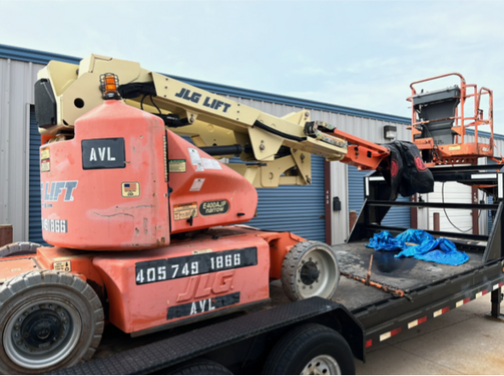
Sell Industrial Equipment Including Manlifts
To discuss an available manlift or aerial platform, call or text 713-385-1333.
Manlifts and aerial work platforms should be documented by manufacturer, model, serial number, year, platform height, working height, reach, capacity, power source, drive type, hours, tire condition, and control operation. Photographs should show the complete machine in its lowered position, platform, guardrails, controls, boom sections, hydraulic components, chassis, tires, identification plate, and any damage.
Safety-related equipment must be represented carefully. Do not claim that a lift is certified, inspected, or ready for service unless current documentation supports that statement. Identify known faults, warning codes, hydraulic leaks, damaged rails, missing manuals, nonworking controls, or previous repairs. The buyer’s evaluation is a purchasing review, not a substitute for the inspections required before future operation.
Businesses often sell industrial equipment like manlifts after a project is completed or when a rental fleet changes. If several machines are available, provide a unit-by-unit list rather than one general description. Matching serial numbers, hours, and condition notes to each machine prevents confusion during inspection, payment, and loading.
Sell Industrial Equipment Including Skid Steers
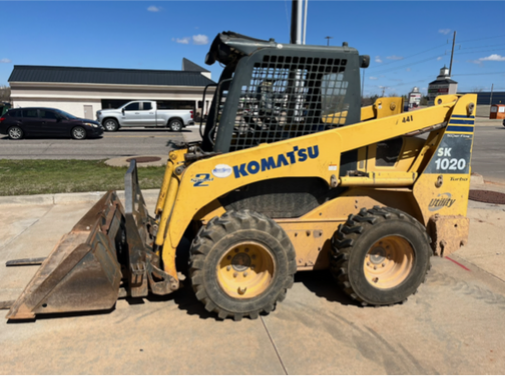
Send skid-steer details after calling or texting Texas Global Resources at 713-385-1333.
Skid-steer documentation should cover manufacturer, model, year, serial number, hours, rated operating capacity, engine, auxiliary hydraulic configuration, cab type, controls, tire or track condition, attachments, and operating status. Included buckets, forks, augers, breakers, trenchers, grapples, or other compatible attachments should be photographed and identified separately.
Pay close attention to hydraulic performance, lift-arm condition, pins and bushings, quick-attach operation, engine smoke, cooling problems, warning codes, undercarriage wear, tire damage, and visible leaks. A cold-start video can provide useful context when made safely. Do not hide fault codes or warm a machine solely to conceal a starting issue before an inspection.
A skid steer located at an active jobsite may have a narrow removal window. Include the project deadline, daily access hours, gate requirements, loading surface, and available assistance. Accurate timing matters when the buyer must coordinate a carrier around other contractors or site activity.
Sell Industrial Equipment Including Welding Machines
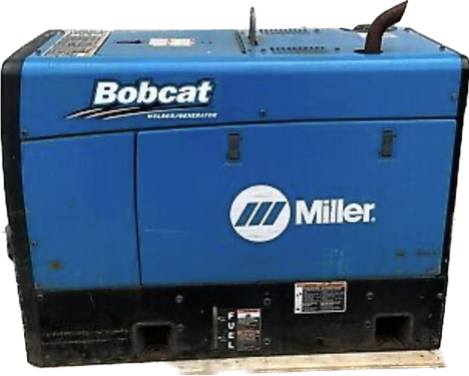
Call or text 713-385-1333 to request a review of available welding equipment.
Welding machines vary widely, so a useful submission should identify the manufacturer, model, serial number, process capabilities, rated output, input power or engine type, duty cycle, hours, leads, feeders, torches, carts, remotes, and other included accessories. Engine-driven welders should include engine specifications and operating hours. Shop units should include voltage and phase requirements.
State whether the machine powers on, strikes and maintains an arc, feeds wire correctly, produces auxiliary power, or has a known problem. Photograph the case, controls, data plate, connections, engine area, leads, accessories, and visible damage. Keep matching feeders, torches, remotes, and cables with the correct power source rather than mixing components from several units.
Fabrication shops that need to sell industrial equipment may have welding machines alongside positioners, tables, fume-control equipment, and material-handling assets. Submit the complete inventory, but identify each machine individually so Texas Global Resources can determine which items fit the purchasing scope.
Why Sell Industrial Equipment to a Direct Buyer?
A direct sale can reduce the time and internal labor associated with listing machines one at a time. Public listings may require research, cleaning, repeated messages, demonstrations, negotiations, payment screening, freight estimates, and coordination with several unrelated buyers. Auctions can be useful in some circumstances, but they may involve schedules, commissions, buyer premiums, transportation questions, and uncertain final proceeds.
When owners sell industrial equipment directly, the transaction can be organized around one reviewed inventory, one written offer, and one removal plan. This structure may be especially useful during facility closures, project deadlines, lease expirations, fleet reductions, or warehouse cleanouts. It also gives the seller a defined contact path for questions about accepted items, payment, access, and transportation.
A direct buyer does not eliminate the need for due diligence. Sellers should verify the buyer’s legal name, written terms, payment, personnel, and removal responsibilities. Texas Global Resources states that it coordinates transportation and pays before accepted equipment is loaded. Those details should still be confirmed in the written purchase documents for each transaction.
When Is the Right Time to Sell Industrial Equipment?
The best time to request an evaluation is usually before machines deteriorate in storage, lose documentation, develop battery problems, suffer weather exposure, or become trapped behind other assets. Early review leaves more time to collect records, resolve ownership questions, plan disconnection, and schedule carriers without a rushed deadline.
Common reasons to sell industrial equipment include:
- A construction or industrial project has been completed.
- A company is upgrading or standardizing its fleet.
- A warehouse or plant is relocating, consolidating, or closing.
- Production changes have made specific machines unnecessary.
- Idle equipment is occupying valuable operational space.
- A rental or contractor fleet is being reduced.
- Maintenance costs no longer fit the owner’s operating plan.
- A removal deadline is tied to a lease, sale, or decommissioning project.
Do not wait until the final day of a shutdown to start the conversation. Heavy equipment may require inspection, internal approval, disconnection, rigging, permits, specialized trailers, or coordinated site access. Sharing the deadline at the beginning allows the buyer to determine whether the schedule is practical.
How the Sell Industrial Equipment Process Works
1. Build a Clear Equipment List
Create a list showing the equipment type, manufacturer, model, serial number, year, hours, capacity or rating, condition, attachments, and quantity. Spreadsheets are useful for larger inventories because photographs can be named to match each line item. If a complete list is not ready, send representative information first and identify the approximate scope.
2. Submit Photographs and Condition Details
Provide full-machine photographs, identification plates, hour meters, controls, engines, tires or tracks, attachments, and visible defects. Describe whether each asset operates and how recently it was used. Disclose missing parts, leaks, fault codes, collision damage, fire or flood exposure, contamination, or uncertain testing. Accurate information supports a faster and more credible review.
3. Confirm Ownership, Location, and Access
The seller must have authority to sell the assets. Identify the legal owner and advise the buyer of liens, leases, financing, landlord interests, or other restrictions that could affect transfer. Provide the exact pickup location, access hours, site rules, loading surface, dock or crane availability, and any required safety orientation.
4. Review the Direct Purchase Offer
The written offer should identify the accepted equipment, purchase price, payment method, transportation scope, loading responsibilities, removal schedule, and exclusions. Compare the offer to the actual inventory and correct any serial-number or quantity errors before signing. A clear agreement protects both parties and reduces disagreement at pickup.
5. Verify Payment and Coordinate Removal
Texas Global Resources states that payment is made before accepted equipment is loaded. Sellers should independently verify cleared payment using trusted contact information and their own financial institution. Site personnel should know who is arriving, what equipment is approved for removal, and which safety rules apply. Qualified personnel should perform disconnection, rigging, and loading tasks.
What Determines an Offer When You Sell Industrial Equipment?
Manufacturer, Model, and Specifications
Recognized manufacturers, identifiable models, useful capacities, and configurations with current demand are easier to evaluate. Nameplates and serial numbers allow the buyer to distinguish machines that look similar but have different power, reach, capacity, emissions, controls, or compatibility.
Operating Condition and Maintenance
A machine that starts, operates, and performs its intended functions generally presents a different risk from an untested or nonrunning asset. Maintenance records, service invoices, inspection documents, and honest operating videos can provide useful context. Cosmetic appearance alone does not prove mechanical condition.
Hours, Age, and Storage
Hours and age matter, but they must be viewed alongside use and care. A low-hour machine stored outdoors without maintenance can present more uncertainty than an older unit that received consistent service. Battery state, fluids, corrosion, weather exposure, tire degradation, and rodent damage may affect equipment that sits unused.
Completeness and Attachments
Missing controls, chargers, forks, buckets, guards, panels, cables, manuals, or proprietary components can reduce marketability. Keep accessories with the correct machine and identify attachments individually. Do not remove valuable parts before requesting an evaluation unless safety or site requirements make removal necessary.
Location and Removal Cost
Transportation can materially affect a purchase. Dimensions, weight, road legality, loading access, rigging, crane needs, permits, escorts, fuel handling, and distance all matter. A precise site description helps the buyer calculate real costs instead of reducing an offer later because undisclosed obstacles were discovered.
Current Secondary-Market Demand
Original purchase price is not the same as present value. Demand changes with industry activity, equipment availability, operating costs, parts support, technology, regulations, and buyer preferences. Some older machines remain desirable because they are familiar and serviceable; others may have limited demand despite a high original cost.
How to Prepare Before You Sell Industrial Equipment
- Place equipment where it can be photographed and inspected safely.
- Match serial numbers, photos, keys, chargers, and attachments.
- Gather manuals, maintenance records, titles, and ownership documents.
- Record accurate hours and operating condition without concealing data.
- Identify known leaks, faults, missing parts, and damage.
- Measure restricted doors, gates, aisles, and loading approaches.
- Confirm whether the machine can move and load under its own power.
- State the removal deadline and available working hours.
- Use qualified personnel for disconnection and rigging.
Do not perform unsafe demonstrations or energize equipment solely for a sales photo. Follow the owner’s lockout procedures, safety policies, and applicable requirements. If a machine cannot be tested, label it accurately as untested rather than making assumptions.
Why Choose Texas Global Resources to Sell Industrial Equipment?
Texas Global Resources provides a direct path for organizations that want to convert idle industrial assets into a sale. The company evaluates equipment, makes purchase offers for accepted assets, coordinates transportation, and states that payment is provided before loading. That approach can reduce the number of separate transactions a seller must manage.
The company is based in South Houston, Texas and works with equipment owners across the United States. This does not mean every machine or location will qualify. The practical first step is to submit the asset information so the team can evaluate equipment type, value, condition, distance, and removal requirements. Learn more about the business on the Texas Global Resources About page.
Owners who need to sell industrial equipment should expect a professional review grounded in real specifications and logistics. Texas Global Resources can consider one significant asset, matching groups of machines, or a mixed industrial inventory. Clear information allows the team to focus on service value instead of making unsupported claims about equipment it has not inspected.
Sell Industrial Equipment: Questions From Sellers
Can I sell one machine?
Yes, a single significant machine can be submitted. Whether a direct purchase is practical depends on the equipment type, condition, value, location, and transportation needs. Send complete details so the buyer can evaluate the opportunity without assuming that every single item qualifies.
Can I sell nonrunning industrial equipment?
Nonrunning or untested machines may be reviewed, but condition must be disclosed. Explain why the equipment stopped operating, how long it has been idle, whether it can roll or steer, and what is required to load it. Recovery and repair risk will affect the evaluation.
Do I need an appraisal before requesting an offer?
A separate appraisal is not required to request a purchase offer. However, sellers handling estate, insurance, tax, partnership, lending, or legal matters may need independent professional advice because a buyer’s offer is not an impartial appraisal.
Who handles transportation?
Texas Global Resources states that it coordinates transportation for purchased assets. The written agreement should specify loading labor, rigging, cranes, permits, trailers, packaging, disconnection, and site responsibilities. Never rely on an assumption when heavy equipment and safety are involved.
When will I be paid?
The company states that it pays before accepted equipment is loaded. Confirm the method, legal payer, timing, and verification procedure in writing. Verify funds independently before releasing equipment or allowing removal.
What is the fastest way to receive an evaluation?
Send a concise list with manufacturers, models, serial numbers, years, hours, condition, photographs, location, and deadline. Include videos or records when useful. Organized submissions reduce follow-up questions and help the buyer identify the assets that require closer review.
Can I sell equipment from a closing plant or warehouse?
Yes, closure and consolidation inventories can be submitted. Start early and identify active utilities, disconnection needs, site access, security requirements, loading facilities, and the final removal date. Large projects may require an on-site review and a phased removal plan.
Request an Offer to Sell Industrial Equipment
If machinery is no longer supporting production, construction, maintenance, warehouse operations, or fleet needs, it may be time to request a direct evaluation. Waiting can lead to storage expense, weather damage, battery failure, lost records, missing attachments, or a compressed removal schedule. Early action gives you time to document the assets and compare the proposed transaction with your operational priorities.
To sell industrial equipment, prepare photographs, nameplates, serial numbers, hours, condition notes, attachments, maintenance information, pickup location, access details, and the desired removal date. Texas Global Resources can review the submission, identify assets that fit its buying scope, discuss logistics, and present a direct offer for accepted equipment.
Call or text 713-385-1333 to sell industrial equipment, or submit your inventory through the contact page.