
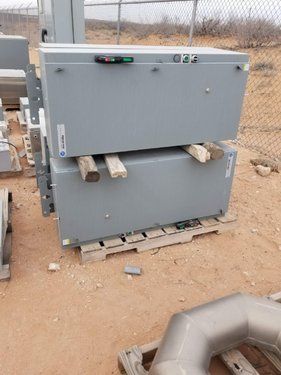
Surplus Transformer Buyers for Direct Equipment Purchases
Call or text 713-385-1333 to submit transformer details and request a direct purchasing review.
Surplus transformer buyers give verified equipment owners a direct way to present excess transformer inventory for commercial review. Texas Global Resources evaluates qualified opportunities involving unused project overages, duplicate spares, previously installed units, discontinued stock, and transformers released during facility upgrades. Submissions may come from industrial facilities, commercial properties, electrical contractors, distributors, construction companies, and organizations managing equipment removals across the United States.
Responsible surplus transformer buyers cannot evaluate a unit from approximate size or exterior appearance alone. Manufacturer, catalog or serial information, transformer type, kVA, primary and secondary voltage, phase, frequency, impedance, winding material, temperature rise, enclosure, cooling method, taps, accessories, last known operating status, weight, location, and removal history all affect purchasing interest. Sellers should provide a readable nameplate photograph and current full views of every available unit.
Texas Global Resources provides a commercial equipment-purchasing service rather than engineering, installation, testing, energization, environmental, or safety certification. Transformers may be extremely heavy and can present electrical, oil-handling, rigging, and transportation concerns. Qualified personnel must handle inspection, disconnection, fluid management, lifting, loading, and transport under applicable requirements. Sellers should never open, energize, drain, or move equipment solely to prepare an inquiry.
Surplus Transformer Buyers and Current Purchasing Needs
Potential purchasing opportunities may include dry-type transformers, liquid-filled transformers, distribution transformers, pad-mounted units, substation transformers, isolation transformers, control transformers, buck-boost transformers, drive isolation transformers, and other industrial or commercial transformer equipment when it matches current buying needs. Both individual units and multiple-transformer packages may be considered.
Condition descriptions must distinguish unused surplus from equipment with prior service. State whether a unit remained in factory packaging, was opened for inspection, was installed but never energized, operated before removal, served as an emergency spare, was rebuilt, or has an unknown history. Reconditioned units should identify who completed the work and what was repaired or tested. Surplus transformer buyers need these distinctions because storage and service history can materially affect demand.
Current models and discontinued equipment can both warrant review. A modern unit may fit replacement or project demand, while an older transformer may support a specific installed application. Age by itself does not determine value. Ratings, configuration, condition, documentation, demand, handling requirements, location, and recovery cost all contribute to the decision.
The purchasing team also needs confirmation that the seller owns the equipment or has clear authority to release it. Leased, financed, consigned, customer-owned, utility-owned, or disputed assets should not be included. Before requesting terms, identify the authorized decision-maker and separate approved surplus from active spares or equipment assigned to a future project.
Businesses contacting surplus transformer buyers should provide the same accurate inventory to every purchasing contact. Consistent ratings, quantities, condition notes, and logistics make commercial responses easier to evaluate.
Dry-Type and Liquid-Filled Transformer Opportunities
Dry-type units and liquid-filled transformers require different information. Dry-type submissions should identify enclosure type, ventilation, insulation class, temperature rise, taps, and visible winding or cabinet condition where safely observable. Liquid-filled equipment should include the fluid type when documented, tank condition, radiator condition, gauges, bushings, accessories, and any known leak or environmental history.
Do not guess whether a liquid-filled transformer contains mineral oil, less-flammable fluid, or another material. Provide the nameplate, fluid labels, manufacturer documentation, and available environmental records. The purchasing team may need additional information before determining whether transport and purchase are feasible. Never drain fluid or collect a sample unless qualified parties have authorized and safely arranged that work.
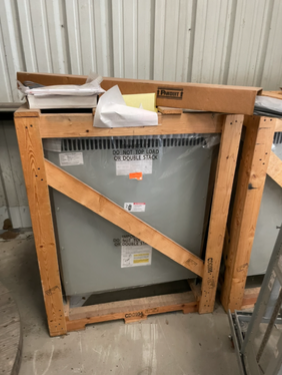
Surplus Transformer Buyers for Protected Dry-Type Units
Have more than one transformer available? Call 713-385-1333 with the unit list and location.
Multiple-unit surplus inventories should be documented one transformer at a time. Create one line for each manufacturer and exact rating combination, then record quantity, inventory category, packaging condition, prior application when applicable, availability date, test history, dimensions, and approximate weight. Units that appear similar may have different primary voltages, secondary voltages, taps, impedance, winding material, or enclosure classifications. Combining them under one generic description can slow the review.
Photograph each nameplate in readable focus. If several units are identical, provide representative closeups and one wide image showing the full quantity. Label estimates as estimates. Keep matching accessories, terminal covers, weather shields, monitoring devices, mounting hardware, and manufacturer documents with the correct transformer.
A purchasing review considers whether a group can be recovered efficiently. Stacked or palletized units must be stable and accessible. State whether a forklift, crane, dock, pallet jack, ground-level door, or loading appointment is available. Include aisle restrictions, floor level, overhead clearance, door dimensions, and any equipment that must be moved before the transformers can be reached.
Do not stack transformers merely to make the inventory look organized. Units should be supported according to safe handling practices, and fragile bushings, terminals, fans, gauges, and enclosures must be protected from weight and impact. Current storage photographs help Texas Global Resources understand whether condition changed after removal.
Why Owners Contact Surplus Transformer Buyers
Transformers become surplus for many reasons. A design revision may change voltage or capacity. A cancelled project may leave unused equipment. A facility modernization may replace a functioning unit with a different configuration. A production line may close, a building may be redeveloped, or an organization may reduce duplicate emergency spares. Each situation creates a different equipment history and timetable.
Large transformers consume valuable floor or yard space and may be costly to reposition repeatedly. Leaving them unprotected can introduce moisture, corrosion, cabinet damage, fluid leakage, missing accessories, or unreadable labels. Contacting surplus transformer buyers while equipment remains identified and accessible can preserve useful information and support a more orderly disposition.
A direct review also helps internal departments coordinate. Maintenance personnel understand service history, engineering may hold ratings and drawings, accounting may control asset-release approval, environmental staff may hold fluid records, and warehouse teams manage access. One complete submission gives those facts a common commercial purpose.
No purchasing company can responsibly promise that every transformer will receive an offer. Some units may have limited demand, incomplete identification, known damage, expensive recovery requirements, or environmental concerns. However, surplus transformer buyers can help owners evaluate potentially marketable assets before choosing recycling or disposal.
A professional purchasing review distinguishes reusable equipment from material whose condition or recovery cost limits potential. Businesses should contact surplus transformer buyers before parts, labels, and records become separated whenever project timing allows.

Surplus Transformer Buyers for Plants and Industrial Facilities
Planning a plant upgrade, shutdown, or asset release? Call 713-385-1333 before removal begins.
Industrial transformer projects often involve strict schedules and controlled access. A unit may remain energized until a planned outage, or it may sit within a substation, electrical room, production area, or restricted yard. Sellers should explain the current status without entering hazardous spaces or bypassing site rules. Existing qualified personnel should determine what information can be collected safely.
Provide a project timeline that separates commercial evaluation, de-energization when applicable, disconnection, rigging, and loading. Identify the date by which a purchasing decision is required and the date the equipment must leave the site. Surplus transformer buyers can respond more efficiently when they receive enough time to review ratings, condition, documentation, access, and transportation requirements.
Facility submissions should describe the reason for removal and the last known operating status. A transformer retired through a capacity upgrade has a different history from one removed after overheating, insulation failure, oil leakage, fire exposure, flooding, or an electrical incident. Disclose known events and provide applicable inspection or test records when available.
Site logistics can materially affect feasibility. Note foundation or pad conditions, anchoring, indoor or outdoor location, containment systems, stairs, ramps, narrow doors, pipework, overhead obstructions, crane access, forklift capacity, security procedures, contractor requirements, and permitted loading hours. Any responsibility for disconnection, rigging, fluid handling, loading, or freight must be expressly confirmed rather than assumed.
Information Surplus Transformer Buyers Need
Manufacturer and Nameplate Identification
Photograph the complete nameplate straight on and in sufficient resolution to read every field. Record manufacturer, model or catalog number, serial number, manufacturing date when shown, transformer type, and applicable enclosure or cooling designation. Do not infer missing characters from a similar unit.
Electrical Ratings
Provide kVA, primary voltage, secondary voltage, phase, frequency, impedance, taps, connection or vector information when shown, insulation class, temperature rise, and basic impulse level when applicable. The actual nameplate is more reliable than a building schedule that may no longer match the equipment.
Construction and Accessories
Identify winding material when documented, enclosure type, cooling method, fans, radiators, bushings, terminal compartments, gauges, pressure devices, monitoring accessories, arresters, and included hardware. State which components are missing, damaged, or retained by the seller.
Condition and Service History
Describe whether the transformer is new surplus, unused, used, reconditioned, tested, untested, or condition unknown. Provide the installation environment, reason for removal, last known status, storage duration, and known incidents. Show rust, leaks, dents, broken bushings, damaged cabinets, burned connections, contamination, and missing panels.
Fluid and Environmental Information
For liquid-filled equipment, provide the documented fluid type, known leak history, environmental testing records, labels, and available containment information. Do not make unsupported statements about PCB status or fluid chemistry. Qualified environmental and electrical professionals should handle sampling, draining, containment, and disposal questions.
Dimensions, Weight, and Location
Provide dimensions, nameplate or documented weight, city and state, floor level, access route, available lifting equipment, dock or crane conditions, and removal deadline. These details help surplus transformer buyers consider recovery expense alongside equipment demand.
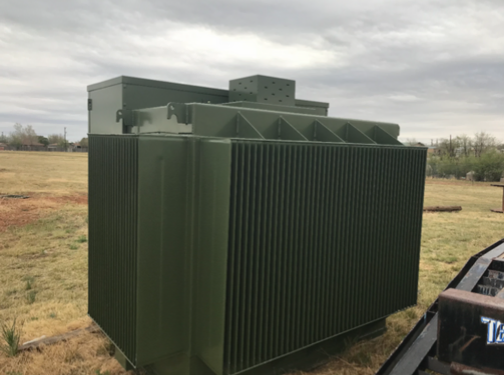
Surplus Transformer Buyers for Large Outdoor Equipment
Submit the nameplate, tank condition, dimensions, and access details at 713-385-1333.
Large outdoor transformers require detailed condition and logistics planning. Photograph all accessible sides, the nameplate, tank, radiators, cooling equipment, bushings, terminal compartments, gauges, conservator or pressure components when present, foundation, and surrounding access. Show evidence of leaks, impact, corrosion, missing accessories, or prolonged exposure.
Weight and lifting requirements must come from reliable information whenever possible. Do not estimate crane capacity or rigging needs from appearance. Provide nameplate weight, shipping drawings, dimensions, and site information to qualified parties. These facts matter because recovery cost and safety planning can determine whether a purchase is commercially practical.
If the unit contains fluid, describe its documented type and current containment status. Mention visible leakage without approaching unsafe areas. Environmental testing, sampling, draining, and transport must comply with applicable requirements and should be performed only by qualified organizations. A commercial equipment offer does not replace environmental due diligence.
Outdoor storage duration matters. Even when a transformer was operating before removal, weather exposure, open terminal compartments, damaged seals, missing breathers, or compromised coverings can change condition. Provide recent photographs and avoid relying exclusively on images from the final operating day.
How Surplus Transformer Buyers Evaluate Equipment
There is no universal price per kVA or pound that accurately reflects every transformer. Evaluation considers exact electrical configuration, manufacturer, age, condition, demand, winding material, fluid type, enclosure, accessories, testing, documentation, quantity, location, and recovery expense. Two transformers with the same kVA can serve different applications and have very different purchasing potential.
Original purchase price is not the same as current resale value. Custom equipment may have limited application outside its original project, while a common voltage and capacity may attract broader demand. Obsolete equipment can remain useful within certain systems, but discontinued status alone does not guarantee interest.
Credible testing may support condition review. Provide the test date, responsible provider, procedures performed, results, and unit identifier. A generic sticker without traceable detail may not establish current performance. Do not energize or test equipment solely for a preliminary submission; ask first whether existing information is sufficient.
Transportation and recovery can materially affect an offer. The review considers lifting, packaging, permits, fluid handling, freight, site access, loading equipment, deadline, and distance. Accurate logistics prevent a promising equipment opportunity from failing after costs or access restrictions are discovered.
Surplus transformer buyers need recovery information early because equipment value cannot be separated from safe, lawful handling and transportation. Exact location details reduce uncertainty during the commercial review.
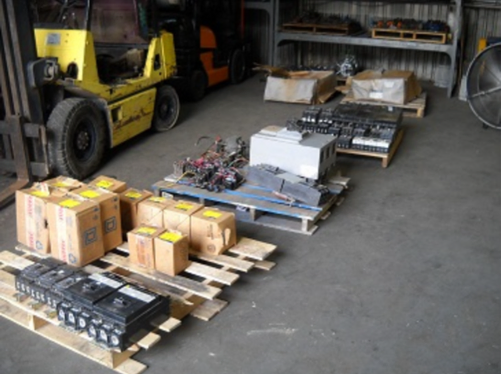
Surplus Transformer Buyers for Warehouse and Project Inventory
For staged equipment and project overages, call or text 713-385-1333.
Warehouse inventories may combine transformers with breakers, switchgear, controls, panels, wire, and unrelated industrial assets. Keep transformers listed as a separate category. For each transformer, provide ratings, quantity, condition, packaging, weight, and location. Related equipment may be mentioned in the inquiry, but it should not replace a transformer-specific inventory.
Original crates can protect equipment and preserve manufacturer information, but packaging must be inspected visually from the outside and described honestly. A crate does not prove that the contents are new, complete, or undamaged. Match shipping labels to the transformer documentation and note whether the package has been opened, moved, or exposed to moisture.
Palletized units should be secured and accessible. State whether the warehouse has a dock, forklift of adequate rated capacity, crane access, appointment requirements, or limited loading hours. Recovery cannot be evaluated realistically without knowing how the equipment can leave the building.
Project overages should include the purchase or submittal records available to the lawful owner. Remove confidential job information that is unrelated to the equipment, but retain manufacturer drawings, ratings, and accessory lists. Identify whether warranties are transferable rather than assuming they will follow the sale.
Project managers can help surplus transformer buyers by assigning one authorized contact who understands the equipment, ownership approval, warehouse access, and deadline. Centralized communication prevents conflicting instructions.
The Transformer Selling Process
Confirm Ownership and Availability
Verify that the organization has authority to sell the equipment. Exclude utility-owned, leased, financed, consigned, disputed, or customer-owned transformers. Separate active spares and units assigned to planned projects.
Build a Transformer Inventory
Create one entry per exact model and rating combination. Record quantity, condition, nameplate data, dimensions, weight, fluid type when applicable, testing status, and accessories. Pair the list with clear photographs.
Explain History and Condition
State whether each transformer is unused, installed, removed, tested, stored, damaged, or condition unknown. Explain the removal reason and known incidents. Do not hide leaks, corrosion, broken parts, or missing components.
Describe Location and Recovery
Provide the city and state, access route, lifting requirements, loading equipment, containment issues, contractor rules, and schedule. Include the actual decision and removal deadlines.
Submit the Package for Review
Use the Texas Global Resources contact page to send the inventory, photographs, location, timeline, and callback information. Complete submissions help surplus transformer buyers determine whether more information is needed before discussing an offer.
Confirm Scope and Terms
If purchasing interest exists, clarify included units, accessories, inspection expectations, price, payment, removal responsibilities, fluid handling, loading, freight, and timing. Equipment should not be released until the agreed scope is clear.
Frequently Asked Questions About Surplus Transformer Buyers
What Transformer History Should I Provide?
Provide the prior application, approximate service period, removal reason, last known operating status, maintenance information, condition photographs, nameplate ratings, available test records, and storage history. Clear disclosure helps distinguish documented serviceable equipment from untested or condition-unknown units.
Do Surplus Transformer Buyers Review Units After Facility Upgrades?
Yes, qualified units removed because of a voltage change, capacity increase, modernization, or facility closure may be reviewed. Explain why each transformer was retired, when it last operated, how qualified personnel removed it, and how it has been protected since removal.
Do Surplus Transformer Buyers Consider Obsolete Units?
Obsolete equipment may have replacement or application value, but age alone does not create demand. Exact ratings, condition, fluid type, configuration, documentation, and recovery cost determine whether further review is practical.
Can I Sell One Transformer?
A single unit may qualify when its commercial potential justifies evaluation and recovery. Submit the complete nameplate, photographs, dimensions, weight, condition, location, and access information.
Will Texas Global Resources Pick Up Transformers?
Pickup feasibility depends on the equipment, location, weight, access, loading resources, environmental requirements, value, and schedule. Any disconnection, rigging, loading, fluid handling, or freight responsibility must be confirmed in the final terms.
Are Surplus Transformer Buyers Available Nationwide?
Texas Global Resources reviews qualified transformer opportunities across the United States. Distance and recovery costs affect feasibility, so include the city and state with the first submission.
Should I Test a Transformer Before Contacting a Buyer?
Do not arrange unnecessary testing before asking what is required. Submit existing records and disclose the current status. Testing must be completed safely by qualified parties, and any result should identify the specific unit and procedure.
Request a Review From Surplus Transformer Buyers
Transformer inventory is easier to evaluate while nameplates, accessories, documents, and condition records remain together. Confirm ownership, separate retained assets, photograph every unit, record ratings, disclose history, and describe recovery access before equipment is moved or dismantled.
Texas Global Resources evaluates qualified opportunities according to equipment identity, configuration, condition, demand, documentation, quantity, location, environmental considerations, schedule, and recovery requirements. The service is designed for real equipment owners seeking a direct commercial purchasing discussion.
For review by surplus transformer buyers, send manufacturer and nameplate information, kVA, primary and secondary voltage, phase, impedance, taps, enclosure, fluid type when applicable, quantity, condition, testing status, photographs, dimensions, weight, city and state, access details, and the desired timeline.
Call or text 713-385-1333 to reach surplus transformer buyers, or submit your transformer inventory online.