
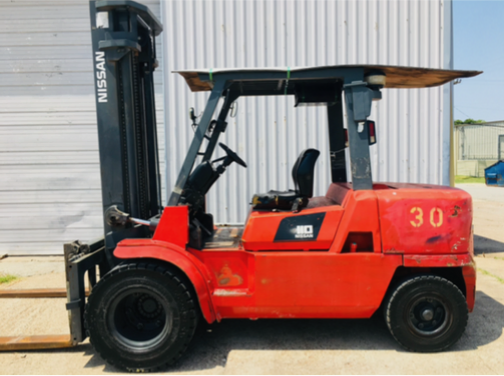
Used Machinery Buyers for Industrial Forklifts and Mobile Equipment
Call or text 713-385-1333 to request a direct commercial review of qualified machinery, material-handling equipment, and facility assets.
Used machinery buyers give verified businesses a direct way to present operational, idle, surplus, and project-released equipment for commercial evaluation. Texas Global Resources reviews qualified opportunities from manufacturers, warehouses, contractors, industrial plants, rental operations, commercial facilities, construction companies, and organizations managing upgrades, consolidations, shutdowns, or property clearances. A useful first submission identifies each machine by manufacturer, model, serial number, year, hours, condition, location, ownership, and availability.
Machine value cannot be determined from a single exterior photograph. Power source, capacity, configuration, attachments, controls, operating hours, service history, tires or tracks, emissions equipment, safety components, title status, and transportation requirements may all affect purchasing interest. Used machinery buyers need current views from all sides, close photographs of data plates and hour meters, an honest condition description, and clear disclosure of known problems.
Texas Global Resources provides commercial equipment purchasing rather than mechanical certification, appraisal, repair, operator training, rigging engineering, or safety inspection. Machinery can move unexpectedly, contain hot surfaces and stored hydraulic pressure, or weigh more than ordinary loading equipment can handle. Only qualified personnel should operate, test, disconnect, lift, load, or transport a machine. Never start or move unsafe equipment solely to improve a sales presentation.
What Used Machinery Buyers May Evaluate
Potential opportunities can include forklifts, skid steers, compact loaders, boom lifts, scissor lifts, generators, welders, compressors, pumps, light towers, excavators, backhoes, tractors, industrial carts, material-handling machines, and selected production-support equipment. Current purchasing needs vary by machine type, age, condition, location, and quantity, so neither an established brand nor a high original purchase price guarantees an offer.
Complete equipment is generally easier to review. Accessories may include forks, buckets, booms, platforms, chargers, batteries, generators, control panels, trailers, outriggers, manuals, keys, remotes, spare tires, attachments, and maintenance records. State exactly what is included, what belongs to another machine, and what will be retained. Used machinery buyers cannot assume that equipment shown nearby is part of the offered package.
Condition categories should be practical and supportable: operating and in current service, operational when parked, starts but has known issues, non-running, incomplete, damaged, fire-exposed, flood-exposed, parts-only, or condition unknown. Avoid labels such as “job ready” or “fully serviced” unless the seller has recent records and a reasonable basis for the statement.
Forklifts and Material-Handling Machines
For a forklift, record manufacturer, model, serial number, year, fuel or power type, rated capacity, mast type, maximum lift height, lowered mast height, fork length, side shift, attachment model, tire type, hours, charger details, and battery voltage where applicable. Photograph the capacity plate, mast, carriage, forks, overhead guard, counterweight, tires, controls, and any leaks or damage.
Construction and Compact Machinery
Compact equipment should be documented by operating weight, engine model, horsepower, hours, drive type, auxiliary hydraulic configuration, coupler, bucket or attachment, tire or track condition, and emissions tier when marked. Show pins, cylinders, hoses, undercarriage, cab, controls, engine compartment, and all known wear points.
Power and Support Machinery
Generators, compressors, pumps, welders, and light towers require model and serial data, engine hours, electrical or performance ratings, fuel type, trailer information, control-panel condition, service history, and known load or operating status. Do not describe equipment as tested under load unless a qualified test was actually completed and documented.
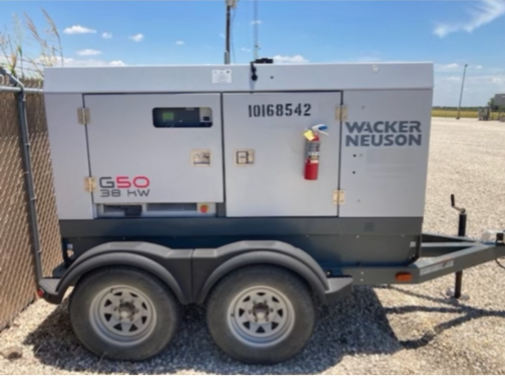
Used Machinery Buyers Need Generator Ratings and Operating History
Have a generator or powered support unit? Call 713-385-1333 with model, serial number, hours, ratings, condition, and location.
A generator submission should identify the equipment manufacturer, generator-end model, engine manufacturer and model, serial numbers, year, rated kW and kVA, voltage options, phase, frequency, power factor, fuel type, hour-meter reading, enclosure, control system, and trailer details. Photograph every nameplate and the control display without changing settings.
Operating status needs context. State whether the unit is currently in service, ran when parked, starts but has known problems, has been exercised regularly, was recently load-bank tested, or is untested. If records exist, provide the test date, provider, load levels, duration, readings, and identified deficiencies. A brief no-load start does not establish full rated performance.
Document the engine compartment, radiator, hoses, belts, battery, fuel system, exhaust, generator end, breaker, receptacles, cable connections, louvers, doors, and visible leaks. Report fuel contamination, coolant loss, oil leaks, corrosion, rodent damage, missing guards, damaged wiring, or alarm conditions. Used machinery buyers need current facts rather than an assumption based on low hours.
Trailer condition is separate from generator condition. Identify trailer manufacturer, vehicle identification number, axle count, tire age and condition, brakes, lights, coupler, safety chains, jack, fenders, registration, and title or ownership documents. A generator may warrant review even when its trailer requires repair, but the issue must be disclosed before transportation is planned.
Why Businesses Contact Used Machinery Buyers
Machinery becomes surplus after production changes, fleet standardization, facility consolidation, completed contracts, equipment replacement, reduced demand, rental-fleet rotation, business closure, or a change in site use. A direct commercial review gives the owner an alternative to indefinite storage, auction preparation, trade-in, dismantling, or disposal.
Early review helps preserve records and accessories. Service personnel may know repair history, operations may understand the machine’s last assignment, accounting may control fixed-asset release, and warehouse staff may know where chargers or attachments are stored. Combining this information before a move helps used machinery buyers evaluate the complete package.
No responsible buyer can promise acceptance, pickup, or a particular price before reviewing the actual asset. Model demand, age, hours, configuration, condition, attachments, documentation, location, access, transport requirements, and market timing all matter. A low-hour machine can still have serious problems, while an older machine with strong records and useful specifications may merit consideration.
Accurate disclosure also protects the transaction. State known mechanical, hydraulic, electrical, structural, emissions, tire, track, battery, and control issues. Identify whether the machine was involved in a tip-over, collision, fire, flood, overload, or major repair. Hiding a problem can disrupt inspection, loading, payment, and future business relationships.
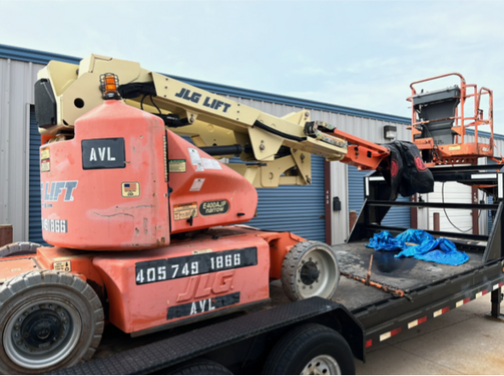
Used Machinery Buyers for Boom Lifts and Elevated Work Equipment
Ready to release a boom lift or aerial machine? Call or text 713-385-1333 with data plates, hours, platform details, and inspection history.
Boom-lift identification should include manufacturer, model, serial number, year, power source, platform height, working height, horizontal outreach, platform capacity, drive configuration, tire type, hours, and overall dimensions. State whether the boom is articulating, telescopic, towable, self-propelled, electric, diesel, dual-fuel, or hybrid as documented by the machine.
Photograph the chassis, turntable, boom sections, platform, gate, controls, emergency-lowering system, tires, axles, counterweight, engine or battery compartment, hydraulic cylinders, hoses, and labels. Show bent rails, cracked covers, damaged controls, cylinder leakage, worn pins, tire damage, corrosion, and missing decals. Do not raise the platform for photos unless a qualified operator determines the machine can be operated safely.
Inspection and maintenance records can materially improve understanding. Provide annual-inspection reports, service logs, repair invoices, battery records, and any documentation of structural repair. State whether current inspections or certifications are in date, expired, missing, or unknown. Used machinery buyers should not be expected to infer compliance from paint condition.
Transportation requires accurate dimensions and weight. Report stowed length, width, height, operating weight, trailer or loading-ramp availability, ground conditions, and whether the unit can propel and steer. Oversize permits, low-clearance routes, disabled drive systems, and soft loading areas may change recovery requirements.
Information Used Machinery Buyers Need
Manufacturer, Model, and Serial Number
Photograph the original data plate straight on and record the complete manufacturer, model, serial number, product identification number, and year when shown. If a plate is missing or damaged, disclose that fact rather than borrowing identification from a similar machine.
Hours, Mileage, and Usage
Provide the current hour-meter reading, mileage when applicable, and any known meter replacement or rollover. Explain the machine’s former application, duty cycle, indoor or outdoor use, idle time, and storage duration. A photograph of the display should show any active warning symbols.
Engine, Fuel, Battery, and Charger
Identify engine manufacturer and model, fuel type, emissions tier or label, battery voltage, battery age, charger manufacturer, input requirements, and included cables. For electric equipment, state whether the battery accepts a charge and describe known weak cells, corrosion, or missing components.
Capacity and Configuration
Record the rated capacity, lift height, reach, operating weight, dimensions, drive type, mast or boom configuration, hydraulic options, and control features. Use the machine’s data plate and manual rather than estimates based on appearance.
Attachments and Included Components
List forks, buckets, grapples, platforms, side shifts, couplers, chargers, generators, remotes, spare tires, manuals, and service parts separately. Provide model or serial numbers for powered attachments where available and confirm what will remain with the machine.
Mechanical and Cosmetic Condition
Describe starting, running, driving, steering, braking, lifting, hydraulic, electrical, and control status without overstating performance. Report leaks, smoke, noises, warning codes, rust, structural damage, worn tires or tracks, broken glass, missing guards, and damaged seats.
Ownership and Documentation
Confirm that the organization owns the equipment or has authority to sell it. Identify available title, registration, lien release, bill of sale, maintenance records, inspection reports, manuals, and keys. Exclude leased, financed, rented, consigned, disputed, or customer-owned machinery unless the proper party authorizes release.
Location and Loading Conditions
Provide city and state, site access, ground conditions, door and gate dimensions, dock or ramp availability, crane or forklift resources, loading hours, security procedures, and removal deadline. These details help used machinery buyers assess recovery feasibility.
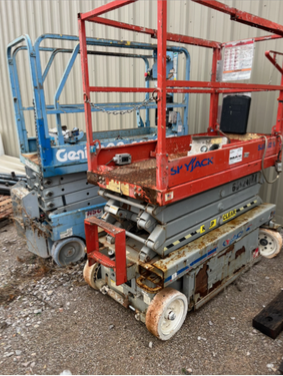
Used Machinery Buyers for Scissor Lifts and Warehouse Access Equipment
Have electric or rough-terrain scissor lifts? Call 713-385-1333 with model numbers, platform heights, hours, battery condition, and pickup access.
Scissor-lift submissions should identify manufacturer, model, serial number, year, platform height, working height, platform capacity, deck extension, overall width, stowed height, operating weight, drive configuration, tire type, power source, and hours. Photograph the data plate and capacity decals so the specifications can be verified.
For electric units, document battery voltage, battery age, charger model, charger input, watering or maintenance history, and whether the machine accepts a charge. Weak batteries can allow the display to illuminate without supporting full drive and lift operation. Report limited runtime, fault codes, corrosion, damaged connectors, or missing chargers.
Show the platform, rails, gate, deck extension, controls, emergency stop, pothole-protection components, scissors, pins, cylinders, hoses, tires, brakes, chassis, and lower controls. Disclose bent rails, cracked welds, hydraulic leaks, missing guards, worn tires, corrosion, damaged switches, and non-working safety features.
A machine positioned behind other equipment may require extra handling before pickup. State whether it can drive, steer, brake, lift, and lower, but do not operate it solely for photography. Used machinery buyers need accurate stowed dimensions, weight, aisle clearance, doorway limits, floor conditions, and loading resources.
How Used Machinery Buyers Evaluate Commercial Potential
There is no universal value per machine, hour, horsepower, capacity, or pound. Evaluation considers manufacturer, model, year, serial status, specifications, hours, condition, service history, attachments, configuration, emissions equipment, location, demand, access, and transportation costs. Similar-looking machines can have very different capabilities and recovery expenses.
Original purchase price and accounting book value do not determine current market value. A specialized machine can have narrow demand even when it was costly, while a common model may have broader interest but significant competition. Missing parts, obsolete controls, emissions issues, or expensive repairs can reduce either machine’s commercial potential.
Recent service does not automatically eliminate condition concerns. Repair invoices are most useful when they identify the machine, date, work performed, parts installed, technician, and unresolved recommendations. Used machinery buyers benefit from a complete record, including deferred maintenance and recurring faults.
Logistics remain part of the evaluation. Operating weight, dimensions, running status, ground clearance, tire or track condition, loading surface, crane needs, lowboy requirements, permits, route restrictions, site delays, and distance may affect feasibility. Final terms should define responsibility for preparation, rigging, loading, permits, freight, and cleanup.
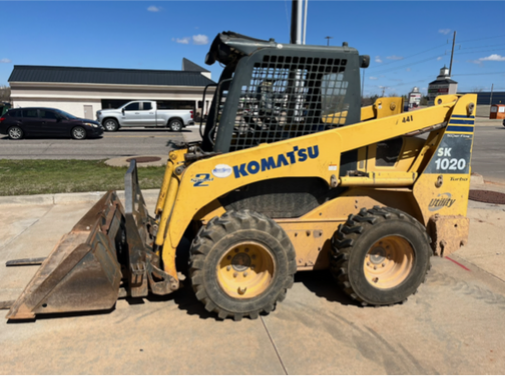
Used Machinery Buyers for Skid Steers and Compact Loaders
Have a skid steer or compact loader available? Call 713-385-1333 with hours, engine information, attachment details, condition, and location.
A skid-steer inventory should include manufacturer, model, serial number, year, engine, horsepower, rated operating capacity, operating weight, lift path, auxiliary hydraulics, coupler type, tire or track configuration, cab features, hours, and included attachment. Record high-flow capability or other options only when labels or documentation support them.
Photograph the machine from every side along with the bucket or attachment, coupler, lift arms, cylinders, hoses, tires, wheels, cab, seat bar, controls, engine compartment, cooling system, counterweights, lights, and data plates. Show worn cutting edges, cracked tires, hydraulic leaks, damaged pins, bent arms, missing glass, and warning indicators.
Operating history can influence condition. State whether the machine worked in dirt, demolition, agriculture, landscaping, waste, concrete, snow, or another environment. Report rollover, fire, flood, collision, engine replacement, hydraulic contamination, structural repair, or emissions-system problems. Do not wash away evidence of leaks immediately before inspection.
Attachments should be listed separately with their manufacturer, model, width, coupler, hydraulic requirements, and condition. A bucket visible in a photograph is not automatically included. Identify whether forks, grapples, augers, trenchers, breakers, or spare tires belong to the machine and are authorized for release.
The Used Machinery Buyer Process
1. Confirm Ownership and Availability
Separate authorized surplus from rented, leased, financed, consigned, customer-owned, disputed, reserved, and active equipment. Confirm title or lien status where applicable and identify the person authorized to approve release.
2. Create a Machine-Level Inventory
List manufacturer, model, serial number, year, hours, power source, capacity, configuration, attachments, condition, location, and availability for every asset. Give each machine a unique reference number.
3. Photograph the Equipment Honestly
Provide full exterior views, data plates, hour meter, controls, engine or battery compartment, working components, tires or tracks, attachments, and all visible damage. Do not conceal faults or create unsafe operating demonstrations.
4. Describe History and Known Issues
State the last operating date, former application, storage conditions, service history, recent repairs, active faults, leaks, damage, missing parts, and available records. Separate verified facts from operator recollections.
5. Explain Access and Timing
Provide city and state, running status, dimensions, weight, access route, ground conditions, loading resources, site rules, available dates, and removal deadline. Identify any permits or specialized transport already known.
6. Request a Commercial Review
Send the inventory and photographs through the Texas Global Resources contact page. Complete information helps used machinery buyers determine whether the opportunity matches current purchasing requirements.
7. Confirm Written Terms
If purchasing interest exists, document included machinery, attachments, exclusions, represented condition, inspection expectations, price, payment, preparation, rigging, loading, freight, permits, and deadlines before release.
Frequently Asked Questions About Used Machinery Buyers
Can a Single Machine Be Submitted?
Yes. One machine may qualify when the model, specifications, condition, location, documentation, and transport requirements align with current demand. Send the data plate, hours, full photographs, and known history.
Do Non-Running Machines Qualify?
Some non-running equipment may warrant review, but the issue must be disclosed. State when it last ran, what failed, what diagnosis or repair was attempted, whether parts are missing, and whether the machine can be loaded safely.
Should Machinery Be Repaired First?
Do not authorize major repairs solely for an initial purchasing inquiry. Provide current condition, estimates, and records. A repair may not increase commercial value enough to recover its cost.
Are High-Hour Machines Considered?
Hours are one factor among many. Model demand, maintenance, application, condition, attachments, and transportation also matter. Disclose meter replacement, uncertainty, or rollover instead of presenting an unsupported reading.
Can Attachments Be Included?
Yes. List each attachment separately and show its model, serial number, coupler, hydraulic requirements, dimensions, condition, and ownership. Clearly state whether it is included with a machine or offered independently.
Do Used Machinery Buyers Require an Inspection?
Inspection needs depend on the equipment and available documentation. Current photographs and accurate details support the preliminary review, while final terms may include an in-person or third-party inspection.
Can Pickup Be Included?
Pickup feasibility depends on asset value, location, running condition, weight, dimensions, access, loading resources, permits, schedule, and freight. All responsibilities must be confirmed in writing.
Are Nationwide Opportunities Reviewed?
Qualified machinery across the United States may be considered. Provide city and state, equipment count, weights, dimensions, loading conditions, site restrictions, and deadlines so recovery requirements can be evaluated.
Contact Used Machinery Buyers
Machinery is easier to evaluate while data plates, service records, keys, chargers, attachments, titles, and knowledgeable personnel remain connected to the assets. Photograph each machine, verify ownership, report operating condition honestly, and describe loading access before equipment is moved or dismantled.
Texas Global Resources reviews qualified opportunities according to manufacturer, model, serial number, year, hours, specifications, configuration, attachments, condition, maintenance history, documentation, market demand, location, schedule, access, and transportation requirements.
To reach used machinery buyers, provide the manufacturer, model, serial number, year, hours, power source, capacity, dimensions, weight, operating status, known issues, attachments, photographs, records, city and state, loading access, and desired timeline.
Call or text 713-385-1333 to contact used machinery buyers, or submit qualified machinery inventory online.